

Artificial Intelligence (AI) and digital diagnostics are rapidly reshaping veterinary medicine, introducing new possibilities for earlier disease detection, faster decision-making, and more personalized care for animals. As veterinary clinics and research institutions embrace technological innovation, these tools are helping veterinarians manage increasing patient loads while improving the accuracy and efficiency of diagnostics.
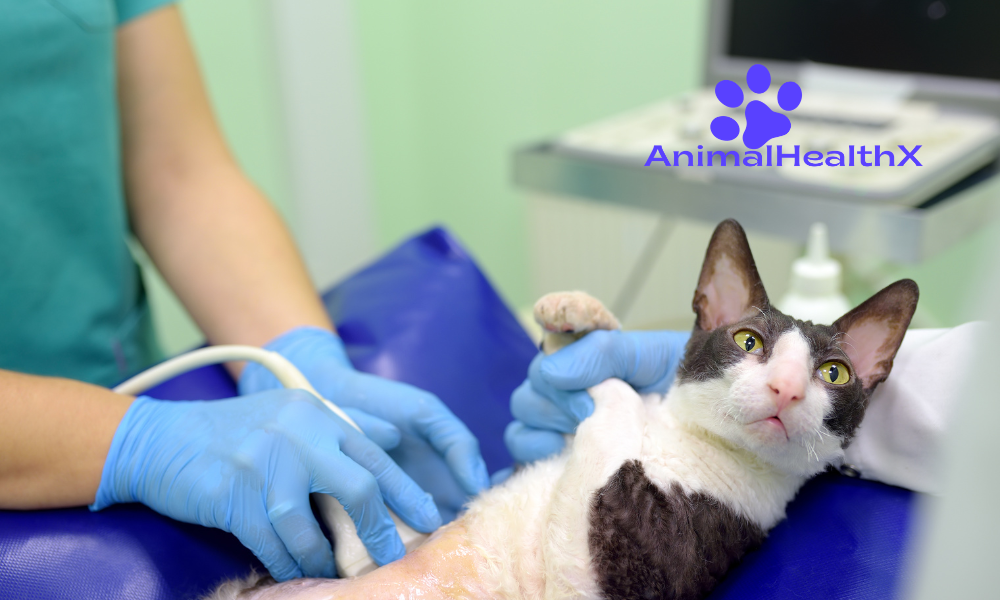
AI-powered diagnostic platforms are increasingly being used to analyze complex medical data such as radiographs, ultrasound images, bloodwork, and pathology slides. These systems can quickly identify patterns that may be difficult for the human eye to detect, enabling veterinarians to diagnose conditions such as fractures, tumors, and internal infections at earlier stages. By providing automated analysis and decision support, AI tools help clinicians reduce diagnostic errors and deliver more timely treatment.
Digital imaging and cloud-based platforms are also transforming how veterinary data is stored and shared. With advanced software systems, veterinary professionals can access patient histories, imaging results, and laboratory reports in real time from any location. This interconnected ecosystem allows for better collaboration between veterinary specialists, general practitioners, and diagnostic laboratories, ultimately improving the quality of care for animals.
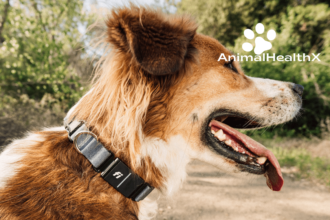
Another promising development is the integration of AI with wearable devices and remote monitoring technologies. Smart collars and health trackers can continuously monitor parameters such as heart rate, activity levels, sleep patterns, and temperature. When combined with AI algorithms, these devices can identify subtle behavioral or physiological changes that may indicate early signs of illness. This proactive monitoring enables veterinarians and pet owners to intervene before conditions become severe.
AI is also accelerating research and drug development within animal health. Machine learning models are being used to analyze vast datasets from clinical trials and epidemiological studies, helping researchers identify new therapeutic targets and predict treatment outcomes. This approach has the potential to significantly shorten development timelines for new veterinary medicines and vaccines.
Despite its promise, the adoption of AI and digital diagnostics in veterinary medicine requires careful consideration. Ensuring data accuracy, maintaining patient privacy, and training veterinary professionals to effectively use these technologies are essential steps for successful implementation. Additionally, technology should complement—not replace—the clinical expertise and judgment of veterinarians.
Ultimately, AI and digital diagnostics represent a powerful shift toward data-driven veterinary care. By combining advanced technology with clinical insight, the veterinary industry is moving toward a future where diseases can be detected earlier, treatments can be tailored more precisely, and animals can receive better, more proactive healthcare.