

ANIMALHEALTHX Weekly is your weekly pulse on the global animal health industry, delivering curated insights, executive interviews, regulatory updates, innovation breakthroughs, and market movements shaping the future of veterinary medicine and animal care.

Cover Story
Pawsible Ventures Launches Pet Health Incubator to Accelerate Animal Health Innovation
Strategic Partnerships & Collaborations
- bitBiome and Kyoritsu Seiyaku Partner to Advance Biotechnology Solutions for Animal Health
- HABRI and Trupanion Collaborate to Advance Human–Animal Bond Research
Diagnostics & Precision Animal Health
- Volition and Fujifilm Vet Systems Advance Automated Canine Cancer Testing in Japan
- MiDOG Expands Whole Genome Sequencing Platform for Veterinary Infectious Disease Diagnostics
Product Launches & Pet Wellness
- Spirited Paw Launches Healthy Mind Supplement for Cognitive Health in Aging Dogs
- Knead Introduces Orthopedic Cat Bed to Support Feline Comfort and Mobility
Digital Veterinary Services
- Thrive Pet Healthcare Launches 24/7 Teleadvice Service for Pet Owners
Research & Clinical Advances
- Allegro Reports Promising Results for Osteoarthritis Hydrogel in Equine Study
Regulatory & Vaccine Development
- ECO Animal Health Advances U.S. Approval Path for Poultry Vaccine Targeting Mycoplasma
Executive Insight
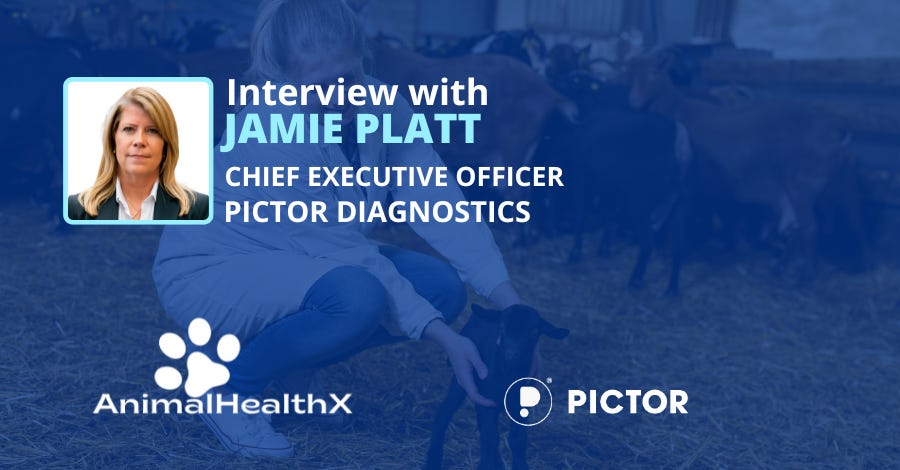
Interview: Jamie Platt, CEO of Pictor Diagnostics
Precision Proteomics and the Future of Data-Driven Animal Health
Industry Perspective
Healthy Herds, Stronger Future
Exploring the critical role of livestock health in global food security, sustainable agriculture, and responsible animal care.

New Pet Health Incubator Targets the $270B Global Pet Economy

Pawsible Ventures Launches Pet Health Incubator Backed by $10M Fund I
Pawsible Ventures has launched a Pet Health Incubator and venture studio platform backed by a $10M Fund I to accelerate early-stage companion animal health startups building next-generation veterinary solutions.
Key Highlights
- Focus areas: Veterinary diagnostics, pet health technologies, digital veterinary platforms, therapeutics, insurance solutions, and preventive wellness.
- Support model: Capital, mentorship, regulatory guidance, and commercialization support to help founders navigate the animal health ecosystem.
- Market backdrop: Launch aligned with a global pet economy exceeding $270B, driven by rising veterinary spend, longer pet lifespans, and pet humanization trends.
- Advisory board: Global panel of veterinarians, entrepreneurs, and industry leaders guiding startups and product strategy.
Program Status
- Engaged with 300+ startups globally across pet health innovation.
- First cohort of 5–7 startups launching March 2026 with structured programming, investor access, and veterinary mentorship.
Impact Snapshot
Pawsible’s incubator aims to turn promising early-stage concepts into scalable companies, shaping the future of companion animal health as demand for smarter veterinary care and digital pet health solutions continues to grow.


Biotech Partnership
Tokyo-based bitBiome signs joint development agreement with Kyoritsu Seiyaku Corporation, Japan’s leading animal health firm. The collaboration accelerates biotech-driven products for livestock and companion animal health/nutrition, combining bitBiome’s microbial tech with Kyoritsu’s veterinary expertise.
Key Highlights
- bitBiome leads product development, manufacturing, and global commercialization using its microbial database, enzyme discovery, strain engineering, and biomanufacturing platform.
- Targets innovative biological solutions for animal care needs.
- Leverages Kyoritsu’s decades of veterinary market presence in Japan and internationally.
Impact
Delivers sustainable, cost-effective biotech solutions to enhance global animal health management and support a transition to bio-based products.

Diagnostic Milestone
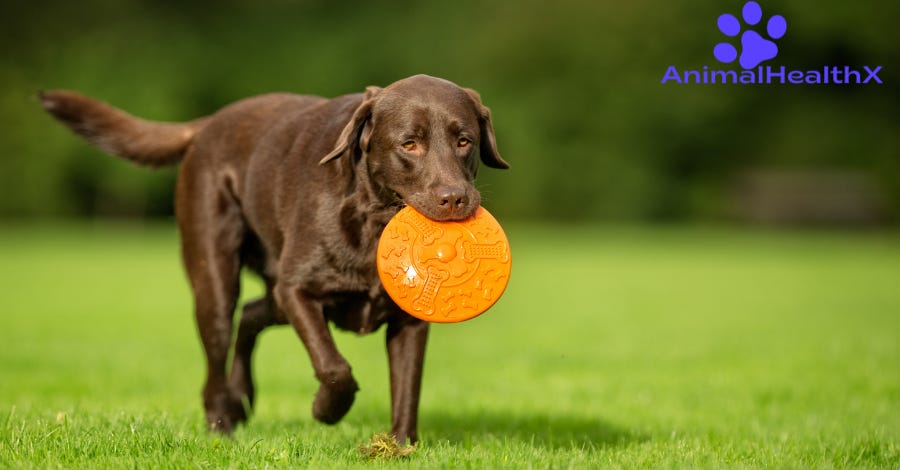
VolitionRx Limited validates chemiluminescent immunoassay (ChLIA) version of Nu.Q Vet Cancer Test with Fujifilm Vet Systems in Japan. Automation on IDS i10® analyzer enables centralized lab processing, replacing manual methods for faster, higher-volume canine cancer screening.
Key Highlights
- Supports early cancer detection in dogs (leading cause of death in adults); over 1,700 Japanese vet hospitals registered since July 2024 launch.
- Fujifilm Vet Systems first globally to deploy centralized automation; distributes via its lab network.
- Shared platform with Volition’s human diagnostics (Nu.Q Cancer, NETs, Discover) for tech synergy.
- Targets Japan’s 7M pet dogs amid rising demand.
Impact
Boosts throughput and turnaround for labs, improving treatment outcomes and expanding access to companion animal cancer screening.


Product Launch
Spirited Paw, the pet wellness line from Standard Process Inc., introduces Healthy Mind—a nutritional supplement for cognitive health in aging dogs showing behavioral or memory changes. Available now via Spirited Paw website and select channels.
Key Highlights
- Organic ingredients from 850+ acre farm: beet, Brussels sprouts, buckwheat, Swiss chard; plus phosphatidylserine, B vitamins, vitamin E.
- Includes MCT oil as alternative brain energy source; targets memory, mood, stress, and neurological health.
- Addresses cognitive decline (e.g., command issues, reduced play, house soiling) starting as early as age 6; >25% of 11–12-year-olds affected.
Impact
Supports quality of life for senior dogs, helping them stay engaged/active amid growing owner awareness of age-related brain challenges.


Product Launch
Knead, a pioneer in science-backed feline wellness, launches the Knead Orthopedic Cat Bed. This non-heated, ergonomic bed builds on their award-winning Therapeutic Cat Bed, offering joint support, calming comfort, and durability for cats at every life stage. MSRP $159; limited-time promotional discount available.
Key Highlights
- Ergonomic memory foam with central dip and four raised contours for spine, joint, and multi-position support.
- High-density, slow-rebound foam reduces pressure points, stiffness, and repositioning.
- Low-entry 2.3-inch design for easy access; removable, machine-washable, water-resistant cover.
- Non-slip base, plush surface for traction and temperature regulation; optional seasonal heating.
Impact
Promotes restorative sleep, mobility, and long-term wellbeing for aging cats, with easy maintenance to support pet parents’ routines without frequent replacements.


Service Launch
Thrive Pet Healthcare introduces HereFurYou Helpline, a 24/7 teleadvice and teletriage service powered by whiskerDocs. Connects dog/cat owners to credentialed veterinary technicians via phone/chat for after-hours, travel, or holiday guidance (free for Thrive Plus™ members; $39.99/call for others).
Key Highlights
- Provides evidence-based advice (no diagnosis/prescriptions); assesses need for clinic/emergency visits.
- Integrates with Thrive’s 200+ US locations: real-time notes shared with vets; online booking where available.
- Complements primary care; notes forwardable to non-Thrive clinics for continuity.
Impact
Meets rising telehealth demand, reduces care delays/unnecessary ER visits, and empowers owners with timely support outside clinic hours.

Research Partnership
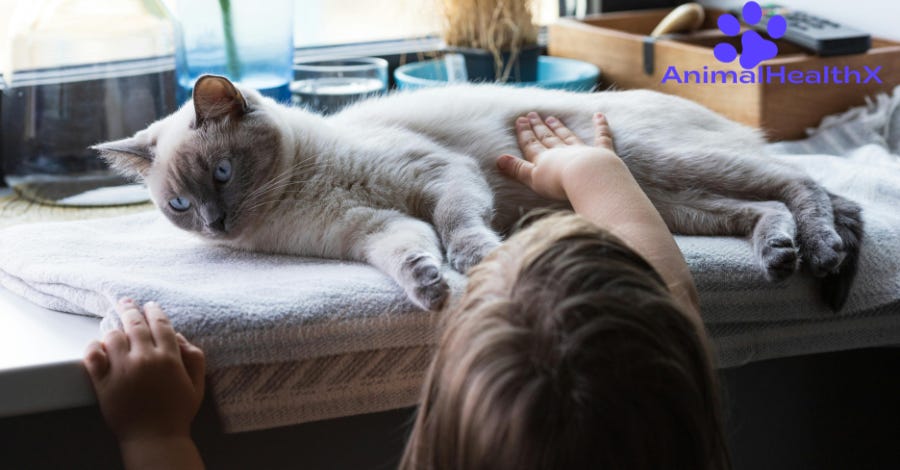
HABRI announces collaboration with pet insurer Trupanion to promote human-animal bond research, combining HABRI’s scientific leadership with Trupanion’s veteran/service animal initiatives.
Key Highlights
- Funds studies on pets’ benefits: reduces loneliness, boosts cardiovascular health/activity/social support; aids PTSD veterans, seniors, autism patients via service dogs.
- Trupanion reduces vet care barriers, especially for veterans; aligns with HABRI’s mission for companion animal health impacts.
- Announced March 10, 2026, to highlight pets/service animals’ role in human wellbeing.
Impact
Strengthens evidence for pets’ societal/health benefits, fostering ties between research, insurance, and animal health organizations.


Diagnostic Platform Launch
MiDOG Animal Diagnostics launches enhanced Whole Genome Sequencing (WGS) service, first to integrate bacteria, fungi, parasites, antimicrobial resistance (AMR), and virulence factor analysis in a single test. Announced March 10, 2026; results in 2-3 business days.
Key Highlights
- Screens against 65,000+ bacterial, 4,100 fungal, 4,300+ parasitic/protozoan genomes for species-level ID from one sample.
- Detects AMR genes, toxins, biofilms; ideal for culture-negative, polymicrobial, chronic/resistant infections across companion animals, equine, exotics, wildlife.
- Supports targeted therapy over empirical treatment, aligning with One Health goals.
Impact
Enables precise clinical decisions in complex cases, accelerating interventions and improving outcomes in veterinary infectious disease management.

Clinical Study Results
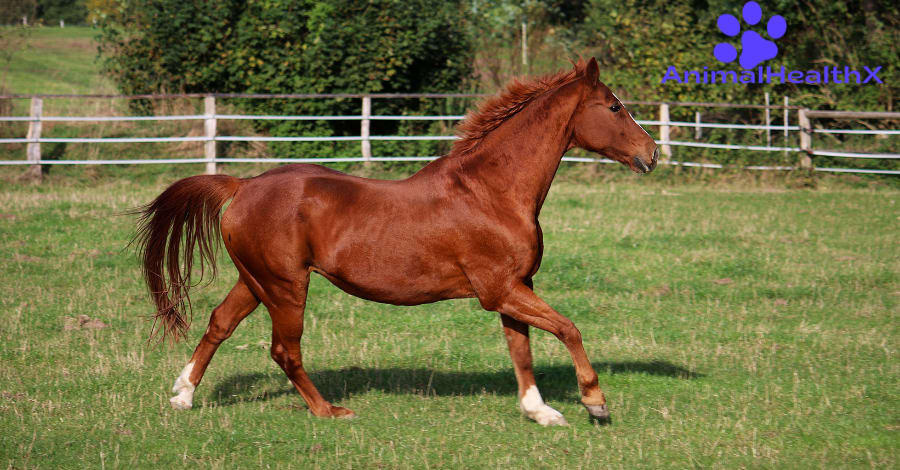
Allegro shares positive proof-of-concept data from equine osteoarthritis study of 40 thoroughbreds: single Hydrocelin hydrogel injection reduced lameness in 89.6% (26 out of 29 evaluable horses) and 72.4% (21 out of 29 evaluable horses) had complete resolution at 4 weeks; vs hyaluronic acid control). Full results at 2026 conference; FAMHP approves human knee OA feasibility trial.
Key Highlights
- Hydrocelin restores synovial fluid shock absorption via cross-linked particles to protect cartilage/reduce pain.
- Equine model translates to human OA (leading global disability); no adverse effects noted.
- Exclusive vet licensing with American Regent; manufacturing in Belgium.
Impact
Advances potential disease-modifying OA therapy across veterinary/human applications, bridging animal models to clinical innovation.

Regulatory Milestone
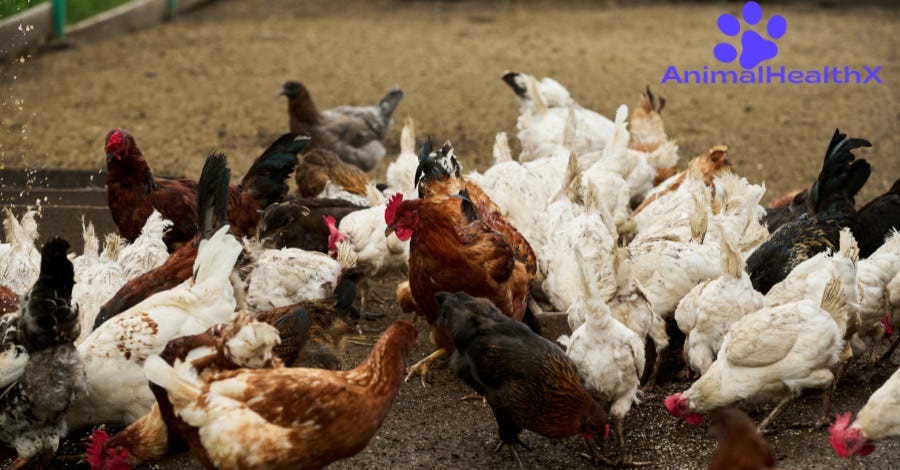
ECO Animal Health receives favorable USDA safety assessment for Ecovaxxin MG, a live vaccine against Mycoplasma gallisepticum causing respiratory disease in chickens and sinusitis in turkeys. Confirmed safe for target/non-target species (turkeys, quail) with no virulence reversion; final US filing planned for late 2027.
Key Highlights
- Naturally attenuated strain safe for young chicks; part of expanding poultry vaccine pipeline.
- Follows Ecovaxxin MS (Mycoplasma synoviae vaccine) with 2026 commercial launch.
- Builds ECO’s portfolio for global poultry disease protection.
Impact
Strengthens poultry industry defenses against Mycoplasma infections, enhancing flock health/productivity with safe, effective vaccination options.

Beyond Single Biomarkers: Jamie Platt on the Rise of Targeted Proteomics in Animal Health
Saurabh: Tell us about your background and what led you to animal health innovation.
Jamie: My career has focused on advancing precision molecular technologies, particularly in genomics and targeted protein analysis. I’ve spent more than two decades working at the intersection of science, translational research, and commercial execution — helping bring high-specificity molecular platforms from development into real-world application.
While much of my early work was in human health, particularly oncology and precision medicine, the scientific principles are universal: biology is complex, and measurement matters. The opportunity in animal health is enormous. Livestock systems are increasingly data-driven, yet molecular insights at the protein level remain underutilized. Bringing precision proteomic tools into agricultural settings felt like a natural extension of the work I’ve done throughout my career.
Animal health deserves the same rigor and technological advancement we expect in human medicine.
Saurabh: What problem is Pictor trying to solve?
Jamie: At its core, Pictor is addressing a measurement gap.
Many existing animal health assays rely on single-analyte detection or simplified immune targets. But biological systems — particularly immune responses — are not simple. They are dynamic, heterogeneous, and influenced by numerous variables.
We believe a multi-analyte, targeted proteomic approach can provide a more nuanced understanding of immune response patterns in livestock. Rather than asking whether a single biomarker is present or absent, we can evaluate broader antigen response profiles and generate more informative data.
Our focus is on enabling better insight — not just more testing.
Saurabh: What makes targeted proteomics particularly powerful in animal health?
Jamie: Targeted proteomics allows simultaneous measurement of multiple defined protein targets with high specificity. That multiplex capability matters in infectious disease, immune response characterization, and herd-level monitoring.
In livestock systems, scale and practicality are critical. Any technology must be operationally feasible, cost-conscious, and adaptable to real-world workflows such as milk sampling or serum collection.
By designing assays that balance analytical depth with field practicality, we believe proteomics can become a foundational tool in next-generation herd management.
Importantly, this isn’t about replacing existing tools overnight — it’s about expanding the molecular resolution available to producers, veterinarians, and researchers.
Saurabh: How do you see animal health evolving over the next 5–10 years?
Jamie: Animal health is moving toward greater integration of data, biology, and systems thinking.
We’re seeing growth in:
- Precision nutrition
- Biologic-based interventions
- Microbiome research
- Digital herd management
- Sustainable livestock practices
But molecular analytics must keep pace.
Over the next decade, I expect we’ll see broader adoption of multi-analyte testing platforms that provide more detailed immune and health profiling — similar to the evolution we’ve seen in human precision medicine.
The producers and companies that thrive will be those who can translate biological complexity into actionable, operational insight.
Saurabh: What is your broader vision for Pictor?
Jamie: Our vision is to build a scalable, targeted proteomic platform that bridges research and real-world application — across both livestock and human health.
We are focused on:
- Expanding antigen panels thoughtfully
- Generating rigorous validation data
- Collaborating with academic and industry partners
- Ensuring our tools are usable in field settings
Long term, we believe protein-level analytics will become as fundamental to animal health decision-making as genomic testing has become in human medicine.
We are at the early stages of that shift.
Saurabh: What advice would you give emerging innovators in animal health?
Jamie: Start with biology, not hype.
Animal health is a complex ecosystem that involves producers, veterinarians, regulators, researchers, and global supply chains. Technologies must be scientifically robust, economically viable, and operationally realistic.
It’s not enough to build something technically elegant — it must function within the daily constraints of livestock systems.
At the same time, we shouldn’t underestimate how ready the industry is for meaningful innovation. There is strong demand for tools that improve resilience, sustainability, and productivity — especially as global pressures on food systems continue to increase.
About Jamie Platt
Jamie is CEO of Pictor Diagnostics with 20 years of proven leadership in genomics and molecular diagnostics. She has guided teams in developing and commercializing 40+ high-complexity tests (LDTs and IVDs) globally. As COO at PGDx (acquired by LabCorp) and Inivata (acquired by NeoGenomics), she led the launch of liquid biopsy products, and two M&A exits totaling ~$1B in 2021.

Transforming Livestock Animal Health with Preventive Care, Smart Farming Technologies, and Responsible Antibiotic Use
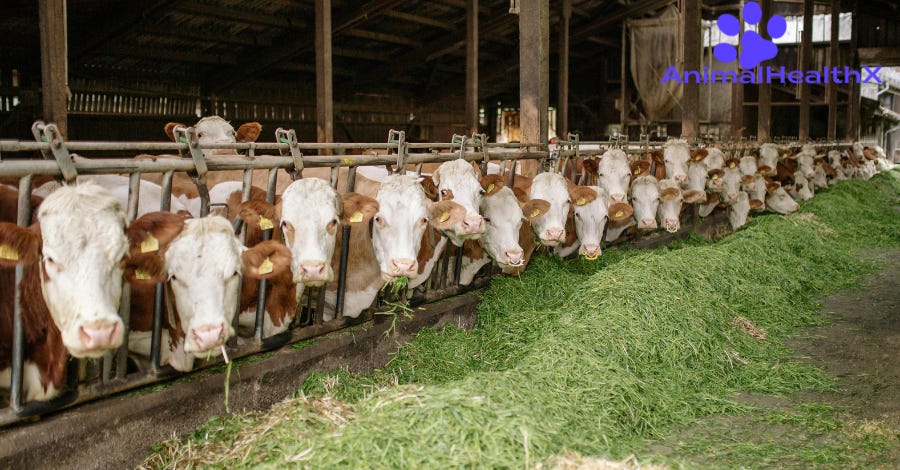
Livestock health sits at the heart of global food security, rural livelihoods, and sustainable agriculture. From dairy farms and poultry houses to cattle ranches and sheep pastures, healthy animals ensure reliable production of milk, meat, eggs, and other essential products that feed billions of people worldwide. As demand for animal-derived food continues to grow alongside the global population, maintaining the health and productivity of livestock has become more important than ever.
Animal health management today extends far beyond traditional veterinary care. Modern livestock systems integrate preventive healthcare, nutrition management, biosecurity practices, and technological innovations to monitor and protect animal wellbeing. Farmers and veterinarians work together to implement vaccination programs, routine health checks, and disease surveillance to minimize the risk of outbreaks that could threaten both animals and the food supply chain.
One of the major challenges in livestock health is the control of infectious diseases. Conditions such as foot-and-mouth disease, avian influenza, and bovine respiratory disease can spread rapidly across farms, leading to significant economic losses and supply disruptions. Effective disease prevention relies on early detection, strong farm biosecurity, and coordinated responses among farmers, veterinarians, and regulatory agencies. Advances in diagnostic tools now allow faster identification of pathogens, enabling quicker containment and treatment.
Nutrition also plays a critical role in maintaining animal health. Balanced diets tailored to each species and production stage help strengthen immunity, improve growth rates, and enhance reproductive performance. High-quality feed, proper mineral supplementation, and access to clean water are fundamental components of a healthy livestock system.
In recent years, technology has begun transforming livestock health management. Precision livestock farming tools—including wearable sensors, automated monitoring systems, and data analytics—allow farmers to track animal behavior, activity levels, and health indicators in real time. These technologies can detect early signs of illness, stress, or reproductive cycles, helping farmers intervene quickly and reduce losses.
At the same time, the industry is increasingly focused on responsible antibiotic use. Overuse of antimicrobials in animals can contribute to antimicrobial resistance, a growing global health concern. As a result, many livestock producers are adopting improved hygiene, vaccination strategies, and alternative health management approaches to reduce dependence on antibiotics while maintaining productivity.
Ultimately, healthy livestock support more than farm profitability—they contribute to food safety, environmental sustainability, and public health. By combining veterinary science, advanced technologies, and responsible farming practices, the livestock sector can continue to meet rising food demands while ensuring animal welfare and long-term agricultural resilience.

Animal Health Innovation: From Biotech Breakthroughs to Smarter Veterinary Care
This week’s newsletter highlights major advancements shaping the future of animal health. From biotech collaborations like bitBiome–Kyoritsu and automated canine cancer diagnostics by Volition and Fujifilm to new pet wellness products, veterinary telehealth, and startup incubators driving innovation. We also feature breakthroughs in veterinary diagnostics, poultry vaccines, and osteoarthritis research—alongside insights from Pictor Diagnostics’ CEO Jamie Platt on the growing role of precision proteomics in livestock health.
The Pulse of Global Animal Health
Enjoyed this edition? Share it with colleagues, partners, and fellow leaders shaping the future of animal health.
The industry is evolving at remarkable speed—from breakthrough biotech partnerships and regulatory milestones to AI-driven diagnostics and next-generation veterinary innovations. Staying informed isn’t just valuable—it’s essential to staying ahead.
Forward this newsletter, repost it, and help foster a more connected, informed, and forward-thinking global animal health community.