

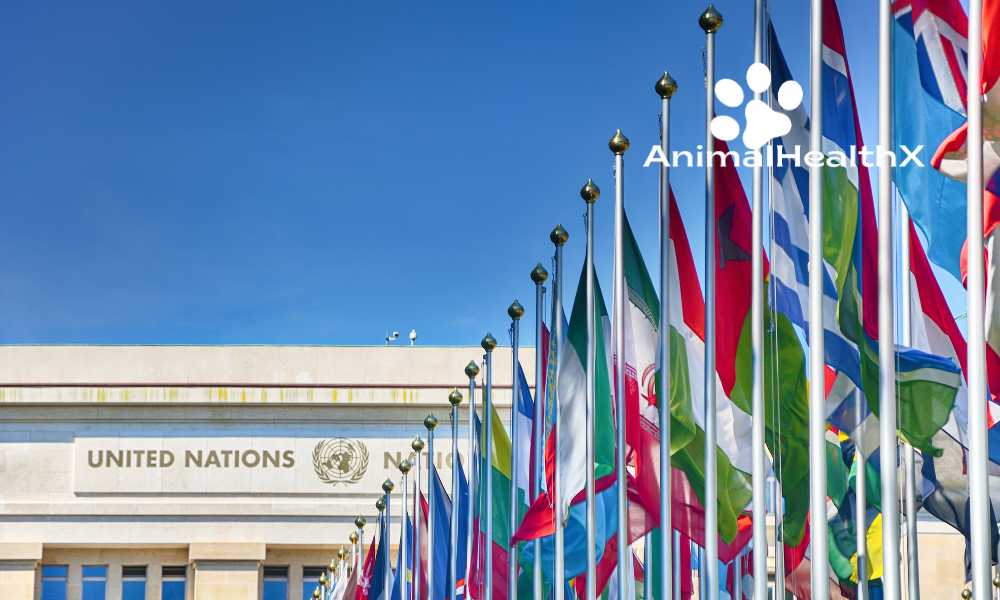
Animal health is no longer viewed in isolation—it is increasingly recognized as an integral part of global public health. The United Nations has championed the One Health approach, which emphasizes the interconnectedness of human health, animal health, and environmental sustainability. As the world faces emerging zoonotic diseases, antimicrobial resistance, and climate-driven health risks, strengthening animal healthcare systems has become a shared global priority.
Preventive animal healthcare lies at the heart of the One Health strategy. Routine veterinary care, disease surveillance, vaccination programs, and biosecurity measures help prevent outbreaks that could spread from animals to humans. Strengthening veterinary infrastructure and expanding access to diagnostic tools ensure early detection of potential threats, safeguarding both livestock industries and public health systems.
Livestock health management is another crucial pillar. Healthy farm animals support stable food systems and sustainable agricultural economies. Programs focusing on responsible antibiotic use, improved nutrition, and disease prevention reduce the risk of antimicrobial resistance and improve productivity. Farmers, veterinarians, and policymakers are increasingly collaborating to implement best practices that protect both animal welfare and food safety.
Wildlife health monitoring also plays a significant role in the One Health framework. Changes in ecosystems, habitat loss, and climate shifts can increase interactions between wildlife, livestock, and humans, creating pathways for disease transmission. Surveillance programs and conservation initiatives help identify emerging pathogens early and maintain ecological balance, reducing the likelihood of future pandemics.
Technology is further strengthening the One Health ecosystem. Digital disease surveillance systems, genomic sequencing, and data-sharing platforms enable faster identification and response to animal health threats. These innovations allow scientists and health authorities to track disease patterns across species and regions, improving preparedness and response strategies.
Ultimately, the One Health approach highlights that protecting animal health is fundamental to protecting human health and the environment. By fostering collaboration across veterinary science, public health, agriculture, and environmental disciplines, the global community can build resilient health systems that safeguard animals, people, and the planet alike.