
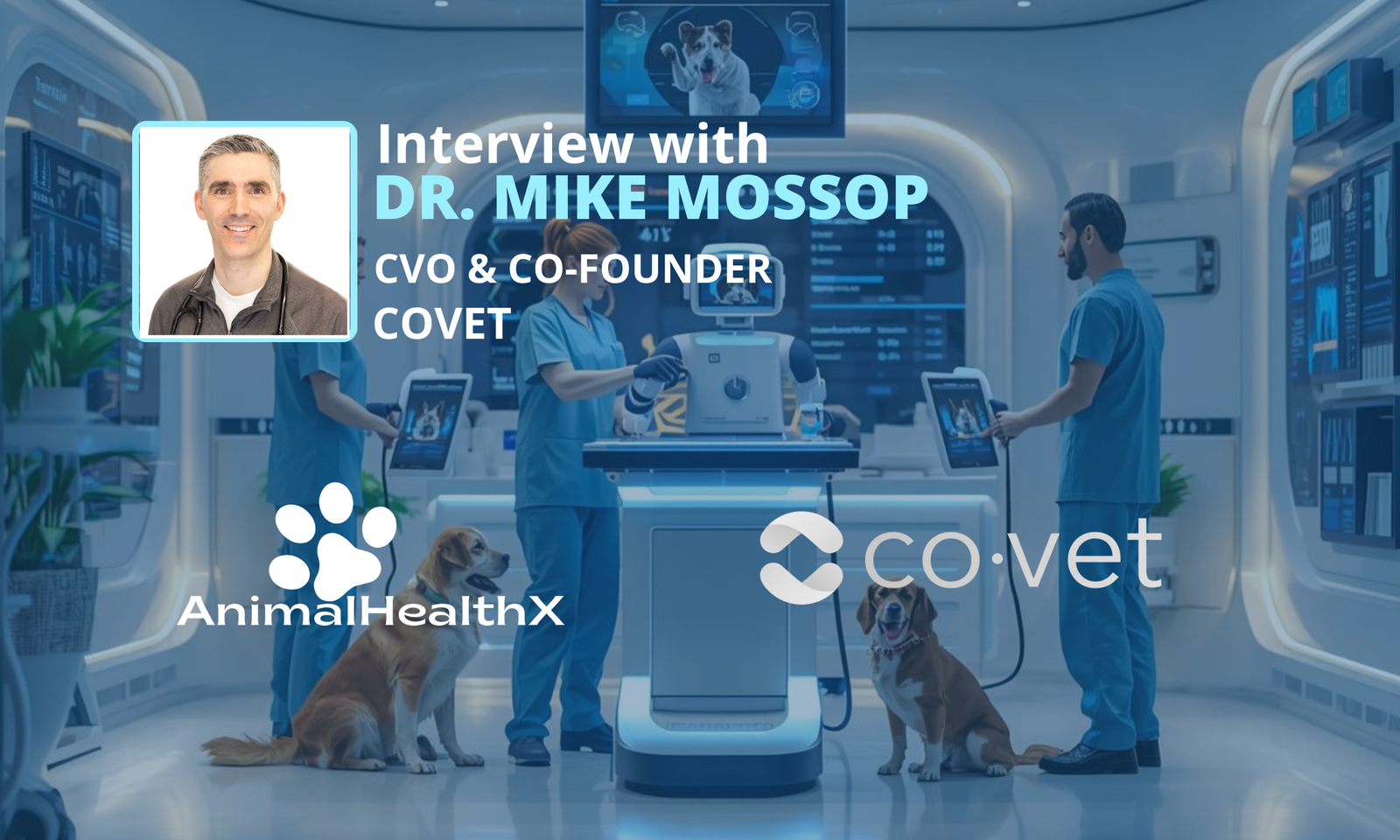
Tanya: How is AI transforming veterinary care, and can pet owners truly trust AI-powered clinics to make critical decisions for their pets?
Mike: AI is transforming veterinary care primarily by reducing the administrative burden that often pulls doctors away from patients. When documentation and workflow are handled intelligently in the background, veterinarians can focus fully on clinical reasoning, treatment, and communication. Trust is built when veterinarians have the time to truly listen to clients and communicate clearly, and by lifting administrative burdens, AI creates more of that time, strengthening the relationship and supporting better care.
Tanya: In what ways are AI tools helping veterinarians reduce burnout and streamline clinic workflows while improving animal health outcomes?
Mike: Burnout in this profession is often driven by long hours spent charting after clinics close. AI tools like CoVet reduce that burden by structuring medical records in real time, which gives doctors back meaningful time each day. That extra time improves work-life balance, reduces burnout, and allows veterinarians to be more alert and engaged in patient care. We’ve also seen the growing veterinary shortage, which has made it increasingly difficult for animals to get timely care when needed most. As veterinarians claim more of their time back, they can care for more animals.
Tanya: What are the most common misconceptions pet owners and veterinary professionals have about AI in animal care, and how do you address them?
Mike: The biggest misconception is that AI is trying to replace the veterinarian. In reality, it’s about removing repetitive work so that clinicians can shift their sole focus to care and medicine. It’s maximizing the doctor’s time on treating animals, rather than on admin work. Through transparency, education, and strong data privacy standards, veterinarians have been able to address most concerns quickly.
Tanya: Looking ahead, which areas of veterinary medicine and animal biosciences are likely to see the biggest impact from AI and emerging technologies?
Mike: Over the next five years, we’ll continue to see AI become deeply embedded in documentation, diagnostics, and preventive care planning. Imaging analysis, predictive health insights, and context-aware workflow tools will likely mature quickly and become integrated with each other. The real shift will be AI becoming an almost invisible workflow layer, supporting every step of the day without adding complexity.
Tanya: How can veterinary practices balance innovation with safety, ethics, and the human-animal bond when implementing AI solutions?
Mike: The key is intentional implementation. If technology strengthens the veterinarian’s presence in the room rather than distracting from it with notes or charting, then you’re innovating responsibly. Even when AI reduces administrative work and surfaces clinical references in real time, the veterinarian’s critical thinking and training remain the foundation, and all medical decisions stay with them. As practices continue to adopt technologies, they should emphasize data privacy and security as a top priority.
Tanya: Are there specific AI applications in preventive care, diagnostics, or treatment that are already showing measurable benefits in animal health?
Mike: Yes, especially in preventive care compliance and documentation accuracy. When records are more complete and structured, follow-ups tend to go more smoothly, and fewer details fall are less likely to slip through the cracks. In platforms like CoVet, even reclaiming one to two hours a day has measurable downstream effects on continuity of care and client satisfaction.
Tanya: How do you envision the role of veterinarians evolving as AI and technology become more integrated into day-to-day practice?
Mike: Veterinarians will always be the heart of the practice. With technology advancing, the goal is to spend less time acting as clerks and more time acting as true clinicians and advisors. AI can handle organization and data synthesis, and doctors can shift their focus to judgment and complex decision-making.
About CoVet
CoVet is the AI CoPilot built by veterinary professionals who understand the realities of life in the clinic – designed to simplify operations and reduce administrative strain. Backed by decades of hands-on experience, CoVet’s in-house medical team informs every feature with real-world insight. Its context-aware platform adapts to the unique needs of general practice, specialty, and large-animal medicine, while providing enterprise-grade performance and privacy compliance for practices of every size, from solo DVMs to global veterinary groups. By combining automation with intuitive design, CoVet empowers veterinary teams to enter each exam more prepared and leave confident that every step is complete, allowing them to spend more time caring for patients.