


Featured Article
- Oncology Diagnostics Shaping Companion Animal Care
Cover Story
- Cosmos Health Expands Into Animal Health
Product Launches
- Cosmos Health Plans Veterinary Launch of C-Scrub Wash 4%
- Parnell Expands Veterinary Anesthesia Portfolio
- Prodogi Launches Dissolvable Oral Health Strip for Dogs
- Lick Sleeve Expands Recovery Care Portfolio with XXS Sizing
Partnerships & Collaborations
- Synexis and Midwest Veterinary Supply Partner on Biosecurity Solutions
- epiq Animal Health and Vetirus Partner to Expand Regenerative Medicine Access
Key Industry Themes
- Precision Oncology and Companion Animal Diagnostics
- Veterinary Infection Prevention and Biosecurity
- Advances in Anesthesia and Surgical Care
- Regenerative Medicine and Orthobiologics
- Preventive Oral Healthcare for Companion Animals
- Recovery and Postoperative Care Innovations
In This Issue
- Molecular Diagnostics and Liquid Biopsies in Veterinary Oncology
- AI and Digital Pathology Transforming Cancer Detection
- Emerging Veterinary Therapeutics and Technologies
- Companion Animal Health Market Developments

Cosmos Health Expands Into Animal Health

Product launch
Cosmos Health plans to launch a veterinary version of C-Scrub Wash 4%, expanding its antimicrobial wash brand into animal health markets.
Key highlights
- Veterinary formulation based on an existing human healthcare product.
- Contains chlorhexidine digluconate 4% w/v.
- Testing showed bactericidal and yeasticidal activity under European veterinary standards.
- Effective against pathogens including Pseudomonas aeruginosa, Staphylococcus aureus, Proteus hauseri, Enterococcus hirae, and Candida albicans.
Impact:
The initial launch is planned for the UK, with potential broader international expansion over time. The move adds another antimicrobial hygiene option for veterinary, livestock, and biosecurity settings as demand for infection control products continues to grow.

Smarter Cancer Detection for Companion Animals

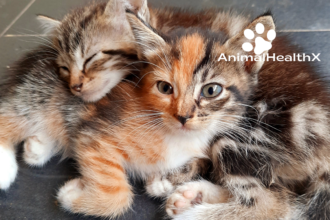
Cancer has become one of the leading health concerns affecting companion animals worldwide, particularly as dogs and cats live longer due to advancements in veterinary medicine, nutrition, and preventive care. Similar to human healthcare, early and accurate cancer detection is becoming increasingly important in veterinary medicine to improve treatment outcomes, enhance quality of life, and support personalized care strategies. Oncology diagnostics are transforming companion animal healthcare by enabling veterinarians to identify cancers earlier, determine disease progression more accurately, and select targeted treatment approaches that improve clinical decision-making and long-term patient management.
One of the most significant developments in veterinary oncology is the growing availability of advanced diagnostic technologies for cancer detection. Traditional diagnostic methods such as physical examinations, imaging studies, biopsies, and cytology remain essential tools, but they are now being complemented by innovative molecular and genomic testing platforms. These advanced diagnostics help veterinarians detect cancer-associated biomarkers, genetic mutations, and cellular abnormalities that may indicate the presence of disease before clinical symptoms become severe. Earlier diagnosis often allows for more effective interventions and improved patient outcomes.
Molecular diagnostics and precision medicine are increasingly influencing cancer care for companion animals. Advances in veterinary genomics have enabled researchers and clinicians to better understand the genetic drivers of various cancers affecting dogs and cats. Genetic profiling and biomarker testing can provide valuable insights into tumor behavior, prognosis, and potential treatment responses. As precision oncology continues to evolve, veterinarians are gaining access to diagnostic tools that support individualized treatment plans tailored to the specific characteristics of each animal’s cancer, improving therapeutic effectiveness and reducing unnecessary interventions.
Liquid biopsy technologies are emerging as promising tools in veterinary oncology diagnostics. These minimally invasive tests analyze cancer-related biomarkers, circulating tumor DNA, or other molecular indicators found in blood samples. Liquid biopsies offer the potential to detect certain cancers earlier, monitor treatment responses, and identify disease recurrence without requiring repeated invasive procedures. As research continues to advance, liquid biopsy approaches may become valuable components of routine cancer screening and disease monitoring protocols for companion animals.
Diagnostic imaging remains a cornerstone of veterinary cancer management and continues to benefit from technological innovation. Advanced imaging modalities such as computed tomography (CT), magnetic resonance imaging (MRI), ultrasound, and positron emission tomography (PET) are providing more detailed visualization of tumors and metastatic disease. These technologies help veterinarians assess tumor size, location, and spread with greater precision, supporting accurate staging and treatment planning. Enhanced imaging capabilities also contribute to improved surgical outcomes and more effective monitoring of disease progression.
Artificial intelligence and digital pathology are further expanding the capabilities of veterinary oncology diagnostics. AI-powered image analysis tools can assist pathologists in evaluating tissue samples, identifying abnormal cellular patterns, and improving diagnostic consistency. Digital pathology platforms facilitate faster collaboration among veterinary specialists while enabling more efficient review and interpretation of diagnostic data. These technologies have the potential to enhance diagnostic accuracy, reduce turnaround times, and support earlier clinical decision-making in cancer care.
Companion animal cancer screening programs are also receiving increased attention as awareness of veterinary oncology grows among pet owners. Routine wellness examinations, age-related health assessments, and breed-specific risk evaluations are helping veterinarians identify cancer risk factors and detect abnormalities at earlier stages. Increased owner awareness regarding signs of cancer, combined with proactive screening approaches, is contributing to earlier diagnosis and more favorable treatment opportunities for many companion animals.
The integration of oncology diagnostics with therapeutic decision-making is improving overall cancer management strategies. Accurate diagnostic information helps veterinarians determine the most appropriate treatment options, including surgery, chemotherapy, radiation therapy, immunotherapy, and emerging targeted therapies. Diagnostic monitoring throughout treatment also enables clinicians to evaluate therapeutic effectiveness, adjust care plans when necessary, and better manage disease progression. This personalized approach supports improved patient outcomes while enhancing quality of life for both animals and their caregivers.
Despite significant progress, challenges remain in expanding access to advanced oncology diagnostics across veterinary practices. Cost considerations, limited availability of specialized testing, variability in diagnostic infrastructure, and the need for continued clinical validation can affect widespread adoption. Additionally, ongoing research is needed to establish standardized diagnostic guidelines and further evaluate the clinical utility of emerging technologies in diverse companion animal populations.
In conclusion, oncology diagnostics are playing an increasingly important role in shaping the future of companion animal care. Advances in molecular testing, liquid biopsy technologies, diagnostic imaging, artificial intelligence, and precision medicine are enabling earlier cancer detection and more personalized treatment strategies. As veterinary oncology continues to evolve, innovative diagnostic solutions will help improve clinical outcomes, support informed decision-making, and enhance the quality of life for companion animals facing cancer diagnoses. Through continued research, technological innovation, and greater accessibility, oncology diagnostics will remain a critical driver of progress in veterinary healthcare.


Product launch
Parnell has launched Sevoflurane Inhalation Anesthetic, adding another option for induction and maintenance of general anesthesia in dogs.
Key highlights
- Indicated for induction and maintenance of general anesthesia in dogs.
- Offers rapid induction and recovery.
- Nonflammable and nonexplosive.
- Available in 250 mL bottles.
- Positioned with competitive pricing for veterinary practices.
Impact
The launch expands Parnell’s anesthesia lineup, which already includes PropofolVet Multidose, Dexmedetomidine Hydrochloride, CONTRASED, and Isoflurane. The addition gives clinics another reliable anesthesia option while supporting streamlined sourcing and perioperative workflow.


Partnership
Synexis has partnered with Midwest Veterinary Supply to expand access to Synexis DHP technology for veterinary and animal care facilities across the US
Key highlights
- Expands access to dry hydrogen peroxide technology for clinics, shelters, equine facilities, and other animal care settings.
- Designed to work continuously in occupied spaces.
- Helps reduce viruses, bacteria, fungi, and VOCs alongside routine cleaning and disinfection.
- Can be used without requiring facilities to be vacated.
Impact:
The partnership reflects growing demand for continuous biosecurity tools that help reduce pathogen exposure between routine sanitation cycles.


Product launch
Prodogi has introduced a first-of-its-kind dissolvable oral health strip for dogs designed to improve coverage throughout the mouth.
Key highlights
- Adheres inside the mouth and gradually dissolves after contact with saliva.
- Uses liposomal technology for controlled release and longer contact time.
- Aims to reach teeth surfaces, gum lines, soft tissues, and hard-to-reach areas.
- Clinical testing showed reduced volatile sulfur compounds, improved breath, and lower plaque-associated bacteria versus a comparator product.
Impact:
The strip is designed to address limitations of conventional dental chews, powders, and water additives that may not provide full-mouth coverage. Dental disease is extremely common in dogs, and a more practical delivery format could improve compliance and support better preventive oral care.


Product launch
Lick Sleeve has added XXS sizing to its recovery apparel line, extending its veterinary-designed solutions to toy breeds and very small dogs.
Key highlights
- New XXS size is available for the Leg Sleeve, Recovery Suit, and Rear Bilateral Suit.
- Designed to help prevent licking, scratching, and irritation without the need for a traditional cone.
- Allows dogs to eat, sleep, walk, and rest more comfortably during recovery.
- Particularly relevant for small dogs recovering from surgery, dermatologic issues, wounds, or orthopedic procedures.
Impact:
The garments are designed to provide protective coverage while maintaining mobility and comfort during postoperative care. Smaller dogs often have fewer recovery apparel options, so the new sizing helps fill an underserved need in postoperative and injury care.


Partnership
epiq Animal Health and Vetirus Animal Health have formed a U.S. distribution and commercialization partnership to expand access to regenerative medicine solutions for veterinary use.
Key highlights
- epiq Animal Health becomes the exclusive U.S. distributor for Vetirus’ regenerative therapy platform.
- Focuses on companion animal and equine practitioners.
- Centers on Rebound High Performance PRP, a platelet-rich plasma system for healing, inflammation control, and tissue regeneration.
- Designed for clinical use without dedicated capital investment.
Impact:
The agreement expands access to orthobiologic and regenerative therapies as interest grows in minimally invasive options for orthopedic recovery and tissue repair. It also emphasizes veterinary education, training, supply chain support, and practice implementation resources to help drive adoption.

Advancing Animal Health Through Innovation
This edition of AnimalHealthX explores the growing role of innovation in advancing animal healthcare. Our featured article highlights how oncology diagnostics are transforming cancer detection and treatment in companion animals through precision medicine, liquid biopsies, AI, and advanced imaging. We also cover key industry developments, including Cosmos Health’s expansion into veterinary care, new anesthesia solutions from Parnell, regenerative medicine partnerships, biosecurity innovations, oral health advancements, and recovery care products designed to improve outcomes, enhance animal welfare, and support the evolving needs of veterinary professionals.
The Pulse of Global Animal Health
Enjoyed this edition? Share it with colleagues, partners, and fellow leaders shaping the future of animal health.
The industry is evolving at remarkable speed—from breakthrough biotech partnerships and regulatory milestones to AI-driven diagnostics and next-generation veterinary innovations. Staying informed isn’t just valuable—it’s essential to staying ahead.
Forward this newsletter, repost it, and help foster a more connected, informed, and forward-thinking global animal health community.