



Featured Article
- Digital Health and Wearables Redefining Animal Healthcare
Cover Story
- Elanco Launches $25 Million Venture Fund
Research Updates
- Gelteq Reports Positive Canine Palatability Data
- Akston’s AKS-699 Shows Promising Itch Control Data
Regulatory Approval
- Elanco Secures USDA Approval for TruCan Ultra Lyme-L4
Product Launches
- Comfort Zone Expands Feline Wellness Portfolio
- PetVetAI Launches AI-Powered Animal Health Observation Platform

Elanco Launches $25 Million Venture Fund

Innovation platform
Elanco Animal Health plans to launch Elanco Ventures, a $25 million corporate venture platform to back early-stage animal health innovation.
Key highlights
- Backed by a $25 million multi-year investment commitment.
- Will target Pre-Seed, Seed, and Series A companies.
- Focuses on novel therapeutics, enabling technologies, and other breakthrough solutions.
- Also, may invest across the broader One Health ecosystem.
Impact:
The initiative is designed to help Elanco identify and support emerging technologies while connecting startups with its broader innovation network. The fund positions Elanco closer to early-stage innovation and could help accelerate new solutions across animal health, diagnostics, digital health, and livestock production.

Digital Health and Wearables Redefining Animal Healthcare
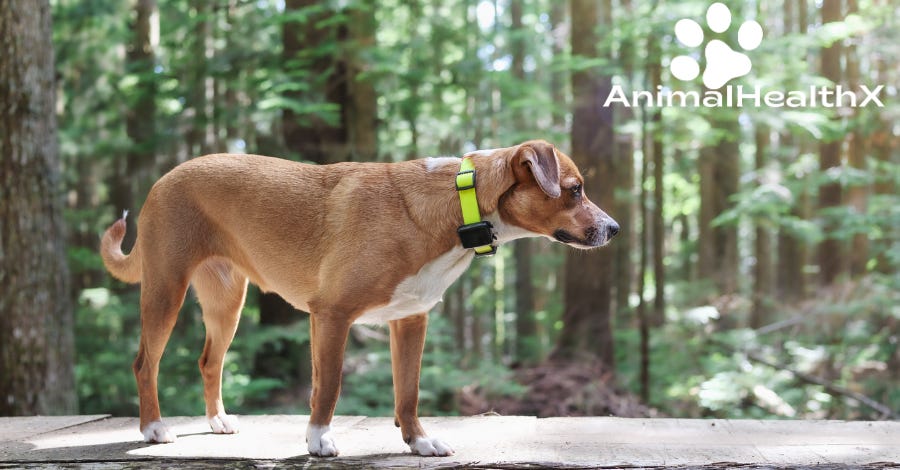
Digital health technologies and wearable devices are transforming the animal healthcare landscape by enabling continuous monitoring, data-driven decision-making, and proactive disease management. As livestock producers, veterinarians, and companion animal owners increasingly seek innovative solutions to improve animal welfare and productivity, wearable technologies are emerging as powerful tools for real-time health monitoring. From smart collars and activity trackers to biosensors and connected health platforms, digital health innovations are reshaping how animal health is monitored, managed, and optimized. These technologies are helping shift the industry from reactive treatment approaches toward predictive and preventive healthcare models that support better outcomes across companion animals, livestock, and aquaculture sectors.
One of the primary drivers of digital health adoption in animal healthcare is the growing emphasis on early disease detection and preventive care. Wearable devices equipped with sensors can continuously monitor vital signs, activity levels, feeding behavior, rumination patterns, temperature, and physiological changes. These data points allow veterinarians and animal owners to identify subtle abnormalities that may indicate the onset of disease before clinical symptoms become apparent. Early intervention can significantly improve treatment outcomes, reduce healthcare costs, and minimize productivity losses in commercial animal production systems.
In livestock farming, wearable technologies are becoming increasingly valuable for precision livestock management. Smart ear tags, collars, and biometric sensors enable farmers to track animal movement, reproductive cycles, stress levels, and health status in real time. These technologies support more efficient herd management by helping producers identify sick animals, optimize breeding programs, monitor feed efficiency, and improve overall farm productivity. Continuous monitoring also contributes to enhanced animal welfare by ensuring timely intervention when health concerns arise.
Companion animal healthcare is also experiencing significant transformation through wearable health monitoring devices. Smart collars and pet activity trackers provide insights into exercise patterns, sleep quality, calorie expenditure, heart rate, and behavioral changes. Pet owners can use these insights to better understand their animals’ health and lifestyle needs while veterinarians can leverage longitudinal health data to support more informed clinical decisions. The growing focus on pet wellness and preventive care is accelerating demand for connected health solutions among companion animal owners.
Artificial intelligence and advanced analytics are further enhancing the value of wearable technologies. Digital health platforms can analyze large volumes of sensor-generated data to identify trends, predict potential health risks, and generate actionable insights. AI-powered algorithms are increasingly being used to detect disease patterns, predict lameness, identify reproductive events, and assess animal behavior. These predictive capabilities enable veterinarians and producers to make proactive decisions that improve health outcomes while reducing operational inefficiencies.
Remote monitoring capabilities are creating new opportunities for veterinary care delivery. Connected wearable devices allow veterinarians to monitor animals outside traditional clinical settings, providing continuous access to health information regardless of location. Remote health monitoring is particularly beneficial for managing chronic conditions, post-surgical recovery, and large-scale livestock operations where frequent physical examinations may be impractical. Telehealth integration is further expanding access to veterinary expertise and improving continuity of care.
Digital health technologies are also supporting advances in population health management. Aggregated data collected from wearable devices can help identify disease outbreaks, monitor herd health trends, and support epidemiological surveillance efforts. In livestock and aquaculture operations, large-scale health monitoring systems can provide valuable insights into environmental factors, disease risks, and production performance. These capabilities support more effective biosecurity measures and contribute to improved disease prevention strategies.
Cloud-based platforms and mobile applications are playing a critical role in enabling seamless access to health data. Veterinarians, farmers, and pet owners can view real-time information through user-friendly dashboards that consolidate health metrics, alerts, and historical records. Digital record-keeping improves communication among stakeholders while facilitating more comprehensive health management. Integration with electronic veterinary records further enhances clinical decision-making and operational efficiency.
Sustainability is emerging as an important benefit of digital animal health solutions. By enabling earlier disease detection, optimizing resource utilization, and improving production efficiency, wearable technologies can help reduce the environmental footprint of animal agriculture. Improved health management contributes to lower treatment costs, reduced antimicrobial usage, and more sustainable production practices. As sustainability becomes an increasing priority across the animal health industry, digital technologies are expected to play a growing role in supporting responsible animal care.
Research and innovation continue to drive advancements in wearable animal health technologies. Developers are introducing increasingly sophisticated sensors capable of monitoring a wider range of physiological and behavioral parameters with greater accuracy. Improvements in battery life, wireless connectivity, miniaturization, and data analytics are expanding the practical applications of wearable devices across diverse animal species and production environments. Continued investment in digital health innovation is expected to accelerate adoption and unlock new opportunities for precision animal healthcare.
Despite significant growth potential, the digital animal health sector faces several challenges. Data privacy concerns, integration complexities, device costs, connectivity limitations, and the need for standardized data interpretation frameworks can affect implementation. Additionally, ensuring device accuracy, reliability, and user adoption remains essential to maximizing the value of digital health solutions. Addressing these challenges will be critical to achieving broader adoption across the animal healthcare ecosystem.
In conclusion, digital health technologies and wearable devices are redefining the future of animal healthcare by enabling continuous monitoring, predictive analytics, and data-driven health management. Advances in sensor technology, artificial intelligence, remote monitoring, cloud connectivity, and precision livestock management are expanding the role of digital solutions across companion animals, livestock, and aquaculture. As the industry continues to embrace preventive healthcare and precision medicine approaches, wearable technologies will become increasingly important tools for improving animal welfare, productivity, and clinical outcomes. Through ongoing innovation and collaboration among technology providers, veterinarians, and animal owners, digital health is poised to play a transformative role in the next generation of animal healthcare.


Research update
Gelteq has reported positive canine palatability results for its gel-based delivery platform, supporting its potential use in veterinary drug formulations.
Key highlights
- Veterinary palatability trials were conducted with Kemin Industries.
- Dogs showed strong acceptance across multiple formulations and flavor profiles.
- The platform successfully masked naturally bitter ingredients.
- Results support the feasibility of incorporating a broader range of active pharmaceutical ingredients.
Impact:
Gelteq’s gel-based delivery system is designed to improve acceptance and simplify administration, which could help address one of veterinary medicine’s biggest compliance challenges. Better palatability can improve treatment adherence and expand formulation options for veterinary products, making the platform more attractive for future development partnerships.

Regulatory approval
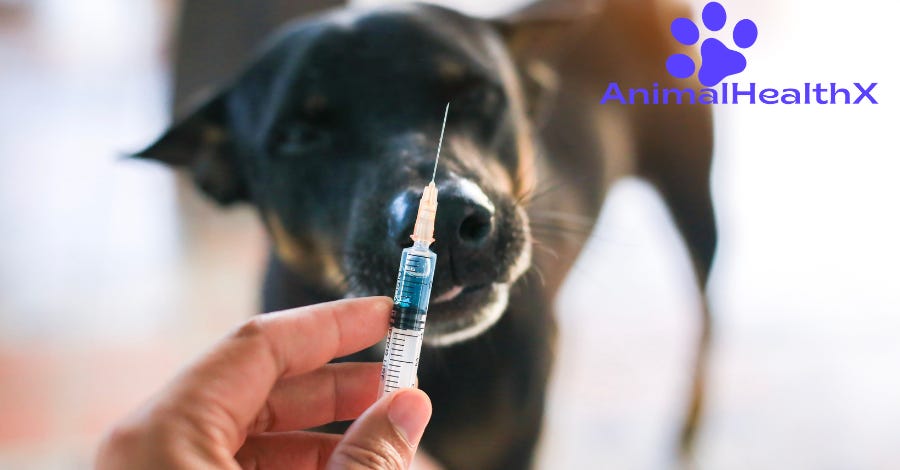
Elanco has received USDA approval for TruCan Ultra Lyme-L4, the first 0.5 mL combination vaccine for Lyme disease and leptospirosis in dogs.
Key highlights
- Combines Lyme disease and leptospirosis protection in a single 0.5 mL dose.
- Uses Elanco’s PureFil Technology to help minimize unwanted proteins associated with vaccine reactions.
- Designed to reduce injection volume by half while maintaining broad protection.
- Builds on the TruCan Ultra portfolio of low-volume canine vaccines.
Impact:
The vaccine targets two major infectious disease risks in dogs and may help improve vaccine acceptance by simplifying administration and lowering injection burden. By offering a lower-volume combination vaccine, Elanco aims to improve preventive care compliance and provide a more comfortable vaccination experience for dogs.


Research update
Akston has reported preclinical data showing that AKS-699 delivered itch control comparable to Cytopoint while requiring far fewer doses.
Key highlights
- Presented at the North American Veterinary Dermatology Forum.
- Targets interleukin-31, a key driver of itch in canine atopic dermatitis.
- Demonstrated more than 80% reduction in pruritic events in the study.
- Sustained antibody titers were maintained for more than one year.
- A single booster dose maintained itch control for about six months.
Impact:
AKS-699 is an Fc-fusion immunotherapeutic designed to stimulate the dog’s own immune system to generate long-lasting antibodies against IL-31. If confirmed in client-owned dogs, AKS-699 could reduce treatment frequency from monthly injections to twice-yearly or annual dosing, improving convenience and compliance in chronic itch management.

Product launch
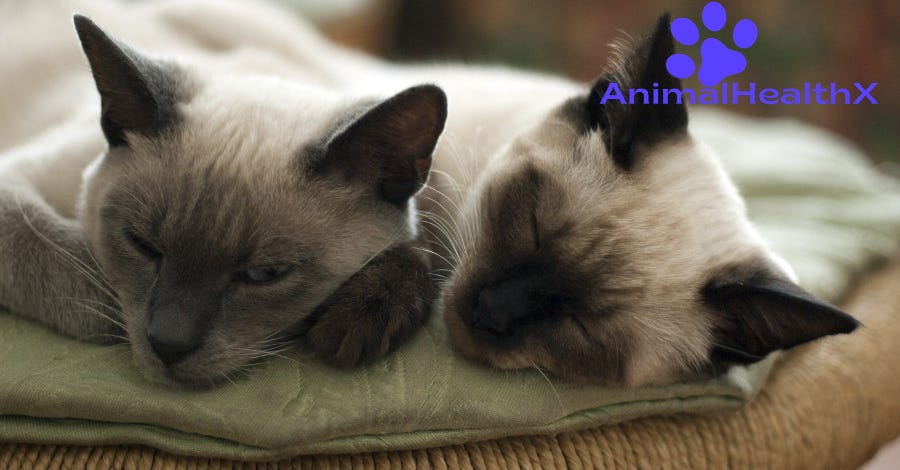
Comfort Zone has launched Cat Calming Mousse, a lickable supplement designed to help cats stay calm during everyday and situational stressors.
Key highlights
- Uses L-Theanine to support calm behavior without sedation.
- Features natural salmon and chicken flavors for palatability.
- Comes in portable, single-serve squeeze pouches.
- Drug-free, cat-specific formula designed around feline preferences.
Impact:
The mousse is intended to support cats during routine disruptions such as travel, boarding, unfamiliar visitors, and other environmental changes. The launch adds a cat-focused calming option to an underdeveloped segment of the pet wellness market, with convenience and acceptance built into the format.


Product launch
PetVetAI has launched an AI-driven animal health observation platform that analyzes video and image data to support continuous monitoring across multiple care settings.
Key highlights
- Uses AI to analyze media from smartphones, security cameras, smart doorbells, and connected camera systems.
- Supports companion animals, livestock, wildlife, and veterinary, boarding, and event settings.
- Generates structured observation reports covering behavior, mobility, digestive health, skin and coat, and respiratory indicators.
- Has already processed more than 161,997 scan events across 25 U.S. states.
Impact:
The system is designed for observation, documentation, and trend tracking rather than diagnosis, with report-sharing and API integration for veterinary workflows. The platform extends animal health monitoring beyond the clinic and could help veterinary teams identify trends earlier and communicate more effectively with owners.

The Rise of Connected Animal Health
This week’s edition explores how digital health technologies, wearable devices, and AI-powered analytics are transforming animal healthcare from reactive treatment to predictive, data-driven care. We highlight Elanco’s new $25 million venture fund aimed at accelerating early-stage innovation across animal health and the broader One Health ecosystem. Other key developments include Gelteq’s promising canine drug delivery platform, Akston’s long-acting immunotherapy for canine itch management, USDA approval of Elanco’s TruCan Ultra Lyme-L4 vaccine, Comfort Zone’s feline wellness expansion, and PetVetAI’s AI-powered observation platform. Together, these advancements reflect a rapidly evolving animal health industry driven by innovation, prevention, and precision care.
The Pulse of Global Animal Health
Enjoyed this edition? Share it with colleagues, partners, and fellow leaders shaping the future of animal health.
The industry is evolving at remarkable speed—from breakthrough biotech partnerships and regulatory milestones to AI-driven diagnostics and next-generation veterinary innovations. Staying informed isn’t just valuable—it’s essential to staying ahead.
Forward this newsletter, repost it, and help foster a more connected, informed, and forward-thinking global animal health community.