

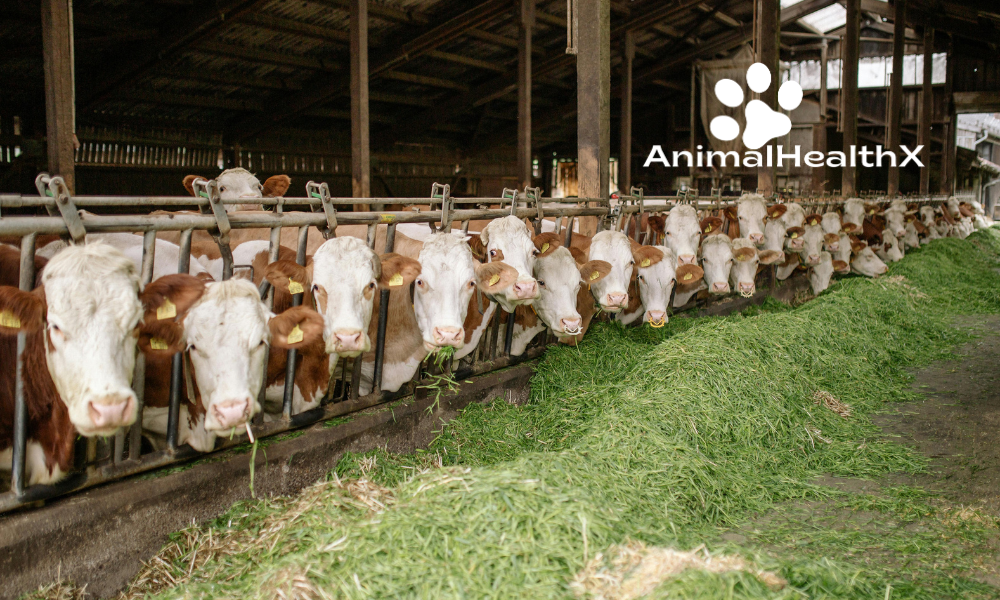
Livestock health sits at the heart of global food security, rural livelihoods, and sustainable agriculture. From dairy farms and poultry houses to cattle ranches and sheep pastures, healthy animals ensure reliable production of milk, meat, eggs, and other essential products that feed billions of people worldwide. As demand for animal-derived food continues to grow alongside the global population, maintaining the health and productivity of livestock has become more important than ever.
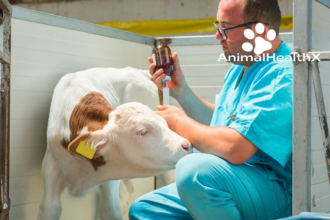
Animal health management today extends far beyond traditional veterinary care. Modern livestock systems integrate preventive healthcare, nutrition management, biosecurity practices, and technological innovations to monitor and protect animal wellbeing. Farmers and veterinarians work together to implement vaccination programs, routine health checks, and disease surveillance to minimize the risk of outbreaks that could threaten both animals and the food supply chain.
One of the major challenges in livestock health is the control of infectious diseases. Conditions such as foot-and-mouth disease, avian influenza, and bovine respiratory disease can spread rapidly across farms, leading to significant economic losses and supply disruptions. Effective disease prevention relies on early detection, strong farm biosecurity, and coordinated responses among farmers, veterinarians, and regulatory agencies. Advances in diagnostic tools now allow faster identification of pathogens, enabling quicker containment and treatment.
Nutrition also plays a critical role in maintaining animal health. Balanced diets tailored to each species and production stage help strengthen immunity, improve growth rates, and enhance reproductive performance. High-quality feed, proper mineral supplementation, and access to clean water are fundamental components of a healthy livestock system.
In recent years, technology has begun transforming livestock health management. Precision livestock farming tools—including wearable sensors, automated monitoring systems, and data analytics—allow farmers to track animal behavior, activity levels, and health indicators in real time. These technologies can detect early signs of illness, stress, or reproductive cycles, helping farmers intervene quickly and reduce losses.
At the same time, the industry is increasingly focused on responsible antibiotic use. Overuse of antimicrobials in animals can contribute to antimicrobial resistance, a growing global health concern. As a result, many livestock producers are adopting improved hygiene, vaccination strategies, and alternative health management approaches to reduce dependence on antibiotics while maintaining productivity.
Ultimately, healthy livestock support more than farm profitability—they contribute to food safety, environmental sustainability, and public health. By combining veterinary science, advanced technologies, and responsible farming practices, the livestock sector can continue to meet rising food demands while ensuring animal welfare and long-term agricultural resilience.