


Featured Article
- Rise in Zoonotic Diseases: How Animal Healthcare Can Help Mitigate Global Health Risks
Cover Story
- Ceva Animal Health & Mitsui & Co. Strengthen Japan Presence Through New Animal Health Joint Venture
Bond Pet Foods & Hill’s Pet Nutrition Receive FDA No Objection Letter for Precision-Fermented Lamb Protein Ingredient
Fera Pets Expands Nationwide into Petco Stores with Science-Backed Pet Supplements
Orion Corporation Secures US FDA Approval for Tessie to Treat Noise Aversion & Separation Anxiety in Dogs
VetSnap Launches Compact 2-Bay Smart Locker to Strengthen DEA-Compliant Controlled Substance Management in Veterinary Clinics
Mervyn’s Petcare Enters US Market with Launch of Cat Dental Supplement on Amazon

Ceva & Mitsui Form Japan Animal Health Venture

Joint Venture
Ceva Animal Health and Mitsui & Co. have formed Ceva Bussan Animal Health by combining Bussan Animal Health with Ceva Japan to create a stronger, unified animal health platform in Japan. Mitsui has transferred 60% of its stake in Bussan Animal Health to Ceva, making Ceva the controlling shareholder while Mitsui remains a strategic partner.
Key Highlights
- The joint venture leverages Bussan Animal Health’s 75-year market presence and roughly €40 million in 2025 revenue with Ceva’s global expertise, product portfolio, and commercial and regulatory capabilities across livestock and companion animal health.
- Ceva Bussan Animal Health aims to expand livestock and pet product offerings, enhance OTC and multichannel pet health capabilities, and improve commercial efficiency and customer reach in Japan.
- Tadahiro Ohashi has been appointed CEO and Akito Umeda Deputy CEO, combining leadership experience from both legacy organizations.
Impact
The venture deepens Ceva’s long-term strategic partnership with Mitsui, supported by an additional Mitsui equity investment in Ceva to drive innovation, market growth, and sustainable value creation in animal health. By aligning strong local market heritage with Ceva’s global scale, the new entity is positioned to compete more effectively across Japan’s livestock and companion animal segments and support the ongoing modernization of veterinary care.

Tackling Zoonotic Diseases Through Animal Healthcare

The growing incidence of zoonotic diseases—illnesses transmitted between animals and humans—is becoming a major global public health concern. Outbreaks such as COVID-19, avian influenza, monkeypox, rabies, Ebola, and Nipah virus have highlighted the close connection between animal health, human health, and environmental conditions. As urbanization, climate change, deforestation, and global travel continue to intensify interactions between humans and animals, the importance of strengthening animal healthcare systems has become more critical than ever. Addressing zoonotic threats now requires a proactive and integrated approach that prioritizes prevention, surveillance, and responsible animal management.
One of the key drivers behind the rise in zoonotic diseases is increased human-animal interaction. Expanding urban populations, encroachment into wildlife habitats, and intensive livestock farming have created more opportunities for pathogens to spread across species. Wildlife trade and unsanitary animal markets further contribute to disease transmission risks. In response, governments and healthcare organizations are increasingly emphasizing the “One Health” approach, which recognizes that human health, animal health, and environmental sustainability are deeply interconnected.
Preventive animal healthcare plays a central role in reducing the risk of zoonotic outbreaks. Vaccination programs for livestock and companion animals help limit the spread of infectious diseases before they reach human populations. Routine veterinary checkups, parasite control, disease screening, and proper nutrition are essential in maintaining healthier animal populations and minimizing transmission risks. Improved biosecurity measures in farms and animal facilities are also helping prevent the emergence and spread of infectious pathogens.
Surveillance and early disease detection are becoming increasingly important in controlling zoonotic threats. Veterinary professionals, public health agencies, and research institutions are collaborating more closely to monitor disease patterns in animal populations. Advances in diagnostic technologies, genomic sequencing, and AI-driven monitoring systems are enabling faster identification of emerging pathogens. Early detection allows authorities to implement containment measures more effectively, reducing the likelihood of large-scale outbreaks.
Companion animal healthcare is also contributing to zoonotic disease prevention. As pet ownership continues to rise globally, awareness around vaccination, hygiene, preventive treatments, and responsible pet care is becoming more important. Veterinary guidance on disease prevention, routine health screenings, and parasite management helps protect both animals and their human caregivers. Public education campaigns are further encouraging responsible interactions between people and animals to minimize health risks.
Wildlife health management and conservation efforts are equally essential in mitigating zoonotic diseases. Habitat destruction, climate change, and biodiversity loss are forcing wildlife into closer proximity with human populations, increasing opportunities for disease spillover. Conservation programs focused on habitat preservation, wildlife rehabilitation, and reducing illegal wildlife trade are helping maintain ecological balance while lowering transmission risks. Sustainable environmental policies are also playing a role in protecting ecosystems that naturally regulate disease spread.
Technology and innovation are strengthening animal healthcare systems worldwide. Precision livestock monitoring, wearable animal health devices, digital veterinary platforms, and predictive analytics are improving disease tracking and animal welfare management. These technologies allow veterinarians and farmers to identify health concerns earlier, optimize treatment strategies, and respond more rapidly to potential outbreaks. Data-driven approaches are also supporting better coordination between animal and human healthcare systems.
Sustainability and responsible farming practices are becoming increasingly important in zoonotic disease prevention. Overcrowded livestock systems, misuse of antibiotics, and poor sanitation can contribute to the emergence of infectious diseases and antimicrobial resistance. Sustainable livestock management, improved hygiene standards, and responsible antimicrobial stewardship are helping create healthier environments for both animals and humans while supporting long-term food security.
In conclusion, the rise in zoonotic diseases highlights the urgent need for stronger animal healthcare systems and greater global collaboration. Through preventive veterinary care, disease surveillance, wildlife conservation, technological innovation, and sustainable practices, animal healthcare can play a vital role in reducing future health risks. As the world continues to recognize the interconnected nature of human, animal, and environmental health, investment in animal healthcare will remain essential to building more resilient and safer global health systems.


Product Launch
Bond Pet Foods has received a US FDA CVM Letter of No Objection for its precision‑fermented Lamb Protein Yeast, allowing its use in adult dog food at inclusion levels up to 15% of finished formulations. Developed with Hill’s Pet Nutrition, it is the first precision‑fermentation–derived animal protein to complete the FDA GRAS review for pet food applications.
Key Highlights
- The Lamb Protein Yeast is produced via optimized yeast fermentation to deliver a complete amino acid profile nutritionally comparable to conventional lamb protein.
- Clearance follows several years of development, commercial‑scale production and testing, including over 25 metric tons of ingredient and a six‑month feeding study in adult dogs confirming safety and nutritional performance.
- Feline feeding studies are complete, with further regulatory filings planned to enable future use in cat food.
Impact
Strengthens precision fermentation as a new, science‑backed protein source in pet nutrition, combining consistent quality and scalable production with more sustainable sourcing than conventional livestock‑based lamb. With regulatory clearance in place, Bond and Hill’s are moving toward US commercialization, supporting brands seeking sustainable, high‑performance proteins for next‑generation pet diets.


Product Launch
Fera Pets is expanding its veterinarian-founded, science-backed supplement line into Petco stores nationwide, bringing its clinically formulated wellness products to one of the largest brick-and-mortar pet retail networks in the US. The rollout supports the brand’s strategy to make premium, veterinary-grade supplements more accessible to everyday pet parents beyond online channels.
Key Highlights
- Petco will stock a curated range of Fera Pets best-sellers, including Hip + Joint Support Soft Chews, Multivitamin Soft Chews, Cardiac Support, Pumpkin Plus Fiber Support, and USDA Organic Probiotics + Prebiotics, covering core areas such as mobility, digestive, immune, and cardiovascular health.
- Each product combines clinically studied probiotics, postbiotics, omega fatty acids, taurine, L-carnitine, CoQ10, organic plant fibers, and joint-support nutrients to deliver targeted, functional support aligned with preventive and microbiome-centered wellness trends.
Impact
The partnership strengthens Fera Pets’ presence in the fast-growing companion animal nutraceutical space and helps bridge the gap between veterinary-grade supplementation and mainstream retail access. It reflects rising demand for clean-label, science-backed, preventive wellness solutions as pet owners increasingly adopt supplements for digestion, immunity, mobility, and heart health as part of routine care.

Product Launch
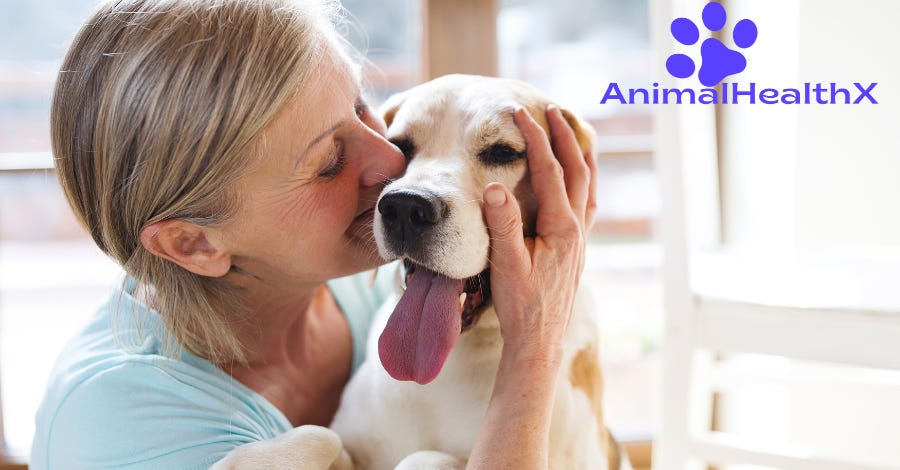
Orion Corporation has received US FDA approval for Tessie (tasipimidine oral solution) for the treatment of both noise aversion and separation anxiety in dogs, with the decision granted on May 6, 2026. Tasipimidine is an Orion-developed proprietary molecule and a new veterinary active in the US, acting within the central nervous system to block the startle reflex and reduce arousal associated with anxiety triggers such as loud noises, storms, fireworks, and separation.
Key Highlights
- The approval adds a novel behavioral health option to Orion’s companion animal portfolio, aligning with its strategy to develop science-based treatments for clearly defined clinical needs in veterinary medicine.
- Under Orion’s longstanding partnership with Zoetis, Zoetis holds exclusive rights to market and sell Tessie in the United States, with commercial availability anticipated by mid-2027 alongside existing products Sileo and Bonqat in Zoetis’ behavioral health range.
Impact
Strengthens the growing field of veterinary behavioral medicine by providing the first FDA-approved therapy indicated for both canine noise aversion and separation anxiety, supporting better management of underdiagnosed anxiety-related conditions in dogs. As veterinarians and pet owners place greater emphasis on emotional wellbeing and the human–animal bond, Tessie expands evidence-based treatment options for canine anxiety and enhances the behavioral health portfolios of both Orion Animal Health and Zoetis.


Product Launch
VetSnap has introduced a new 2-Bay Smart Locker, a compact, DEA-compliant storage unit designed to help veterinary hospitals securely store and track controlled substances without the size or cost of larger systems. Joining the existing 6-bay and 14-bay lockers, the 2-bay model targets smaller inventories and multiple storage points in practices, including mobile, boutique, and satellite clinics.
Key Highlights
- The 2-Bay Smart Locker measures about 17 inches wide and 15.75 inches high and integrates directly with VetSnap’s digital controlled drug logbook to link physical access events with real-time inventory tracking and audit-ready records.
- Features include remote monitoring and access control, backup key access, and flexible storage for controlled medications and essential supplies as part of VetSnap’s broader ecosystem of smart lockers, safes, key systems, and monitoring tools.
- VetSnap is supporting adoption with a limited-time summer promotion offering 1,500 dollars off any Smart Locker purchase with annual integration, bringing the 2-bay unit’s effective price down to 500 dollars.
Impact
Addresses growing regulatory and operational pressure on veterinary practices to improve DEA compliance through integrated digital-physical systems that combine secure storage, automated logging, and real-time oversight of controlled substances. By offering a smaller, more affordable smart locker option, VetSnap enables a wider range of clinic types to modernize controlled substance management and adapt to increasingly distributed and mobile veterinary workflows.

Product Launch
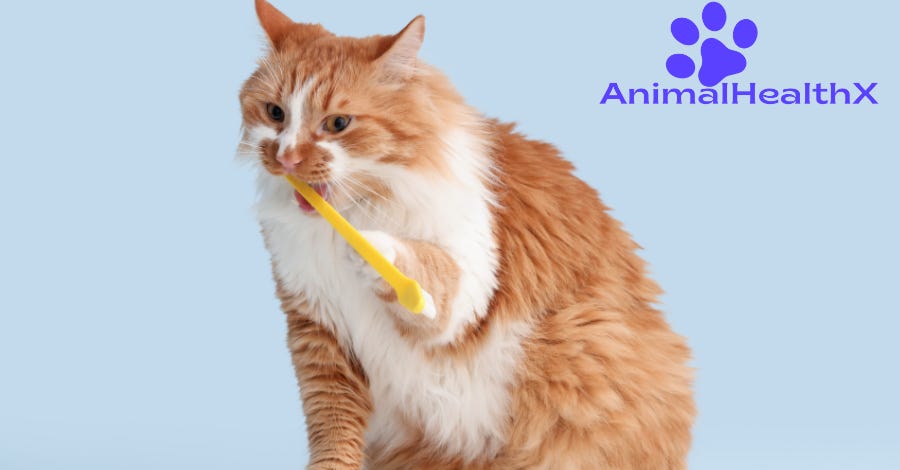
Mervyn’s Petcare, the US subsidiary of Korea-based Yuyu Pharmaceutical, has entered the US pet health market with the launch of Ari’s Purrfect Dental Bites, a feline dental care supplement now available on Amazon. The debut marks Yuyu’s first commercial pet-health step in the US and a key milestone in its broader global expansion strategy focused on companion animal wellness.
Key Highlights
- Ari’s Purrfect Dental Bites are designed to help manage plaque and tartar through the mechanical action of chewing, with texture, shape, and size optimized for cats that are difficult to brush regularly.
- The bites also include taurine to support heart and eye health and are positioned as an easy, daily, functional nutrition option for pet owners seeking convenient preventive oral care for cats.
Impact
The launch positions Mervyn’s Petcare as a science-driven, cat-focused wellness brand in the competitive US companion animal market, leveraging Yuyu’s pharmaceutical heritage, regulatory preparation, and digital-first distribution centered on Amazon. It reflects accelerating pet humanization trends and rising demand for targeted, convenient feline supplements, with the company already planning a second lickable nutritional product to expand its US portfolio.

Animal Health Innovation Tackles Rising Global Disease Risks
The growing threat of zoonotic diseases is accelerating investment in preventive animal healthcare, disease surveillance, sustainable farming, and One Health initiatives worldwide. This edition highlights how veterinary innovation, wildlife management, and AI-driven monitoring technologies are strengthening global health resilience. In industry news, Ceva Animal Health and Mitsui formed a new joint venture to expand animal healthcare in Japan, while Bond Pet Foods and Hill’s Pet Nutrition secured FDA clearance for a precision-fermented lamb protein ingredient. Fera Pets expanded nationwide through Petco, Orion gained FDA approval for canine anxiety therapy Tessie, VetSnap launched a compact DEA-compliant smart locker, and Mervyn’s Petcare entered the US feline wellness market.
The Pulse of Global Animal Health
Enjoyed this edition? Share it with colleagues, partners, and fellow leaders shaping the future of animal health.
The industry is evolving at remarkable speed—from breakthrough biotech partnerships and regulatory milestones to AI-driven diagnostics and next-generation veterinary innovations. Staying informed isn’t just valuable—it’s essential to staying ahead.
Forward this newsletter, repost it, and help foster a more connected, informed, and forward-thinking global animal health community.