



Featured Article
- Healthy Livestock: Advancing Animal Health Through Better Nutrition, Prevention, and Sustainable Farming
Cover Stories
- Tractor Supply Acquires VIP Petcare
- IDEXX Expands Fecal Dx Platform
- Wag Trendz Launches NeoCool
- Zoetis Secures UK Approval for Lenivia
Key Industry Themes
- Sustainable Livestock Health Management
- Precision Farming & Digital Monitoring
- Preventive Veterinary Care & Vaccination
- Companion Animal Diagnostics Expansion
- Retail-Integrated Veterinary Services
- Canine Heat Protection Innovations
- Long-Acting Pain Management Therapies
- Animal Welfare & Responsible Farming Practices

Tractor Supply Acquires VIP Petcare Clinics

Acquisition/business expansion
Tractor Supply Company has acquired VIP Petcare’s veterinary services business from PetIQ, strengthening its omnichannel pet healthcare platform.
Key highlights
- VIP Petcare operates community veterinary clinics across about 2,700 retail locations in 39 states.
- The business serves more than one million pets annually and runs over 60,000 community clinics each year.
- Services include vaccinations, diagnostic testing, parasite prevention, deworming, microchipping, and nail trimming.
- The acquisition adds mobile and in-store veterinary care to Tractor Supply’s retail, pharmacy, and loyalty ecosystem.
Impact:
The deal expands Tractor Supply’s reach in rural and underserved communities where affordable veterinary access is limited. The acquisition reflects the growing shift toward retail-integrated veterinary care and could help make preventive services more accessible through a single consumer platform.

Building Healthier Livestock Ecosystems
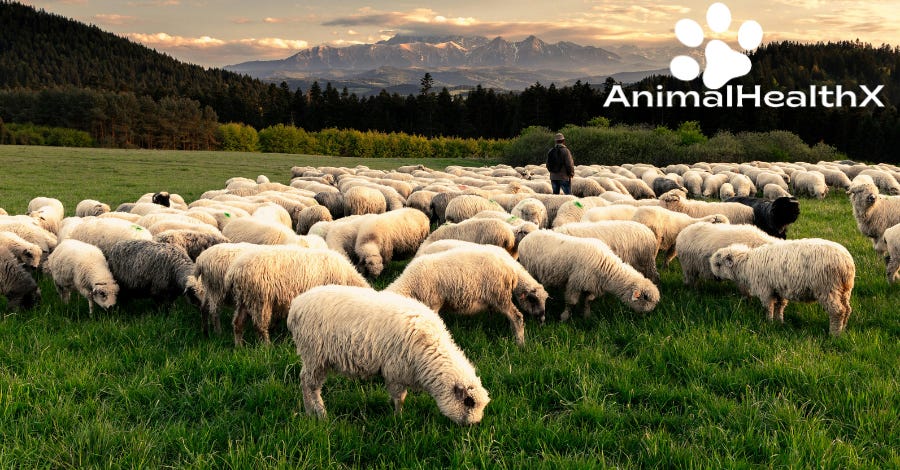
Healthy livestock plays a critical role in ensuring global food security, supporting rural economies, and maintaining sustainable agricultural systems. As demand for meat, dairy, and other animal-derived products continues to grow worldwide, farmers and animal health professionals are increasingly focusing on improving livestock health through better nutrition, preventive healthcare, disease management, and precision farming practices. Advancements in veterinary science, biotechnology, digital monitoring, and sustainable farming approaches are helping create healthier livestock populations while improving productivity, animal welfare, and environmental sustainability.
One of the most important foundations of healthy livestock is proper nutrition and balanced feed management. High-quality nutrition supports animal growth, reproductive performance, immunity, and overall productivity. Farmers are increasingly adopting scientifically formulated feed programs that provide optimal levels of proteins, vitamins, minerals, and essential nutrients tailored to different species and production stages. Nutritional supplements, probiotics, and feed additives are also being used to improve digestion, strengthen immunity, and reduce disease susceptibility in livestock populations. Improved feed efficiency not only supports animal health but also enhances farm profitability and sustainability.
Preventive healthcare and vaccination programs continue to play a major role in maintaining livestock health and minimizing disease outbreaks. Regular vaccinations, parasite control, biosecurity measures, and routine veterinary checkups help reduce the spread of infectious diseases within farms and across regions. Early disease prevention is particularly important in intensive farming systems where close animal contact can accelerate transmission risks. Governments, veterinary organizations, and livestock producers are increasingly investing in herd health management strategies to improve disease surveillance, reduce economic losses, and ensure safer food production systems.
Advancements in veterinary diagnostics and precision monitoring technologies are transforming livestock management practices. Wearable sensors, smart ear tags, GPS tracking systems, and automated monitoring platforms are enabling real-time observation of animal behavior, feeding patterns, body temperature, and movement activity. These technologies help farmers and veterinarians identify early signs of illness, stress, or reproductive changes before visible symptoms become severe. Early intervention improves treatment outcomes, reduces mortality rates, and supports better overall herd management.
Disease management and antimicrobial stewardship have become increasingly important priorities in livestock production. The overuse of antibiotics in animal agriculture has raised concerns about antimicrobial resistance and its impact on both animal and human health. As a result, the industry is shifting toward more responsible antibiotic usage while exploring alternative approaches such as vaccines, probiotics, improved hygiene practices, and precision treatment methods. Strengthening disease prevention and adopting responsible medication practices are helping improve animal welfare while supporting global public health objectives.
Animal welfare is also gaining greater attention across the livestock industry as consumers, regulators, and producers recognize the importance of ethical farming practices. Proper housing, clean water access, stress reduction, humane handling, and adequate veterinary care are essential components of livestock welfare management. Improved welfare conditions not only enhance animal health and productivity but also contribute to better product quality and stronger consumer trust. Many producers are adopting welfare-focused farming standards to align with evolving market expectations and sustainability goals.
Sustainable farming practices are increasingly being integrated into livestock health management strategies. Farmers are adopting environmentally responsible approaches such as rotational grazing, precision feeding, waste management systems, and water conservation technologies to reduce the environmental impact of livestock production. Sustainable livestock systems aim to balance productivity with environmental protection while supporting long-term agricultural resilience. Healthy animals are generally more productive and require fewer medical interventions, further contributing to sustainable farming outcomes.
Digital technologies and data-driven farming solutions are also helping improve livestock health monitoring and operational efficiency. Artificial intelligence, predictive analytics, and cloud-based farm management platforms are enabling farmers to analyze large volumes of health and production data more effectively. These technologies support informed decision-making related to breeding, nutrition, disease prevention, and resource management. Integrated digital systems are helping create more proactive and connected livestock healthcare ecosystems.
Despite significant progress, several challenges continue to affect livestock health management globally. Climate change, emerging infectious diseases, limited veterinary access in rural regions, rising feed costs, and evolving regulatory requirements remain major concerns for livestock producers. Extreme weather conditions and environmental stress can increase disease susceptibility and reduce productivity in animal populations. Addressing these challenges will require continued investment in veterinary infrastructure, farmer education, research innovation, and sustainable agricultural policies.
In conclusion, maintaining healthy livestock is essential for ensuring food security, improving agricultural sustainability, and supporting animal welfare worldwide. Through advancements in nutrition, preventive healthcare, disease monitoring, precision farming, and sustainable management practices, the livestock industry is evolving toward more efficient and responsible animal health systems. As innovation and technology continue to advance, healthier livestock populations will play an increasingly important role in strengthening global agriculture, public health, and long-term food production sustainability.

Product update / diagnostic expansion
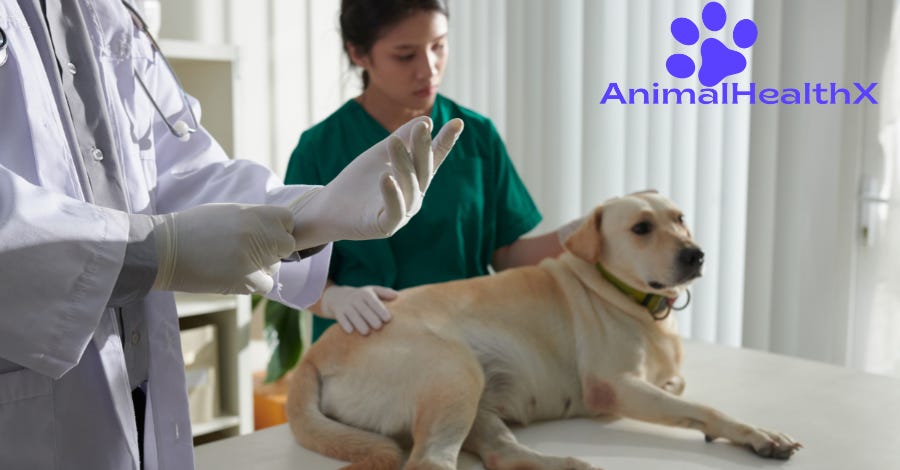
IDEXX Laboratories has expanded its Fecal Dx antigen testing platform to include taeniid tapeworm detection, broadening parasite screening for companion animals.
Key highlights
- Adds detection of Taenia and Echinococcus species.
- Expands screening to seven major intestinal parasite groups.
- Designed to improve early detection versus fecal flotation alone.
- Updated capability will be included at no additional cost for U.S. and Canada reference lab customers beginning in late June.
Impact:
Broader single-test parasite screening can help veterinarians identify infections earlier, support timely treatment, and improve both animal and public health outcomes. The addition strengthens routine wellness and sick-patient diagnostics while also addressing zoonotic concerns in endemic regions.


Product launch
Wag Trendz has introduced NeoCool, a patent-pending cooling dog harness designed to improve airflow and reduce heat retention during hot weather.
Key highlights
- Uses a perforated, breathable quick-dry air mesh construction.
- Designed to promote airflow, dissipate trapped heat, and reduce moisture retention.
- Third-party testing cited by the company showed more than 2.5x greater airflow versus traditional harnesses.
- Also showed an 85% or greater reduction in heat and moisture retention.
- Can be used dry or lightly soaked for added evaporative cooling support.
Impact:
The harness combines passive airflow technology with an ergonomic no-pull design for everyday wear and outdoor activity. As heat risks rise, products that improve canine thermal comfort without trapping moisture may become more important for safe warm-weather activity.


Regulatory approval
Zoetis has received UK VMD approval for Lenivia, a long-acting monoclonal antibody therapy for alleviating osteoarthritis pain in dogs.
Key highlights
- Indicated for pain associated with canine osteoarthritis.
- Designed to provide relief for up to three months after a single injection.
- Targets nerve growth factor (NGF), a key mediator of pain and inflammation.
- Field study data showed improved mobility, reduced pain, and sustained benefit after one dose.
Impact:
Lenivia adds a long-acting biologic option to the canine osteoarthritis market, with potential advantages for convenience and long-term adherence. The approval expands treatment options for one of the most common chronic diseases in dogs and supports the shift toward targeted, extended-interval pain management.

Advancing Animal Health Through Innovation
This edition highlights how innovation, preventive care, and sustainable practices are reshaping the future of animal health and livestock management. Our featured article explores the growing importance of healthy livestock through improved nutrition, disease prevention, precision monitoring, and responsible farming practices that support food security and sustainability. In the cover stories, Tractor Supply expands veterinary access through its acquisition of VIP Petcare, while IDEXX broadens parasite diagnostics with an upgraded Fecal Dx platform. Wag Trendz introduces NeoCool, a cooling harness designed for canine heat comfort, and Zoetis secures UK approval for Lenivia, a long-acting therapy for canine osteoarthritis pain management.
The Pulse of Global Animal Health
Enjoyed this edition? Share it with colleagues, partners, and fellow leaders shaping the future of animal health.
The industry is evolving at remarkable speed—from breakthrough biotech partnerships and regulatory milestones to AI-driven diagnostics and next-generation veterinary innovations. Staying informed isn’t just valuable—it’s essential to staying ahead.
Forward this newsletter, repost it, and help foster a more connected, informed, and forward-thinking global animal health community.