



Cover Story
- Bora Biologics and Protect Animal Health Partner to Advance Veterinary Antibody Pipeline
Featured Article
- Tackling Kidney Disease in Cats
Product Launch
- BI Debuts Quarterable Previcox Tablets for Dogs
- Antech Launches trūRapid Reader
- Acceleronix, Quectel and iBOI Develop GPS Cattle Ear Tag
Distribution Expansion
- PetPace Expands AI-Powered Pet Health Collar Availability to Chewy
Regulatory Milestone
- CannEpil Qualifies for FDA Minor-Use Pathway
- OS Therapies Receives USDA Guidance on OST-HER2 Development
Study Results
- Simparica Trio, NexGard Plus Tested Against Resistance

Bora Biologics and Protect Animal Health Partner to Advance Veterinary Antibody Pipeline
Strategic Collaboration
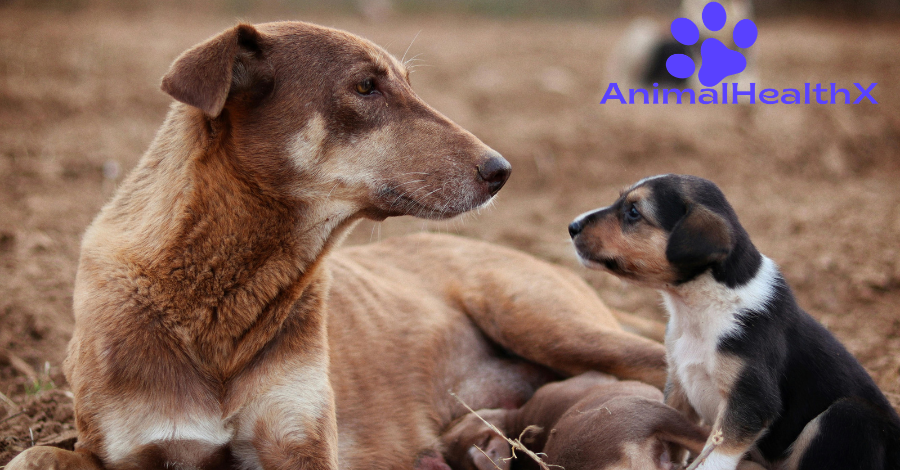
Bora Biologics and Protect Animal Health have entered a long-term, multi-project collaboration to develop and manufacture antibody-based products for veterinary medicine, initially covering at least three programs, marking Bora Biologics’ first foray into animal health.
Key Highlights
- Program scope: Two mAb programs and one bispecific program for veterinary applications; specific indications, target species, timelines, and candidates were not disclosed.
- Capabilities & footprint: Bora will provide cell line development (CHO-K1 platform), process and analytical method development, scale-up, and biologics manufacturing; facilities and networks span the U.S. and Taiwan to support U.S. and international markets.
- Strategic intent: Protect gains integrated development-to-manufacturing support for multiple pipeline programs; Bora extends its biologics platform into the animal health sector.
Impact
The partnership consolidates specialized biologics expertise, protein engineering, consistent manufacturing, analytical testing, and scale-up, under one collaboration, potentially accelerating the path for complex veterinary antibodies toward commercialization. If the programs advance successfully, it could strengthen the infrastructure available to animal health biotechs pursuing targeted biologic therapies and preventives for global markets, though clinical/regulatory success will depend on each program’s data, manufacturing readiness, and regulatory pathway.

Tackling Kidney Disease in Cats

Chronic kidney disease (CKD) is a common health concern in ageing cats, yet it can develop quietly before owners notice anything is wrong. The kidneys play an essential role in filtering waste from the blood, regulating fluids and maintaining the body’s internal balance. When kidney function gradually declines, these processes become less efficient, making early recognition an important part of protecting a cat’s long-term health.
One of the challenges with feline CKD is that its early signs can be subtle. Cats may begin drinking and urinating more frequently, lose weight, eat less or become less active. Vomiting, dehydration and a decline in coat condition may appear as the disease progresses. Because cats often hide signs of illness, these changes can be easy to overlook or mistake for normal ageing.
Routine veterinary assessments can help identify kidney problems before they become advanced. Veterinarians may evaluate body weight and muscle condition alongside blood tests, urine analysis and blood pressure measurements. Tests measuring creatinine and symmetric dimethylarginine (SDMA) can help assess kidney function, while urine testing provides additional information about how well the kidneys concentrate urine. No single result necessarily tells the whole story, so findings are interpreted together and monitored over time.
Research is also exploring new ways to detect kidney disease earlier. A 2025 study published in Scientific Reports investigated metabolic biomarkers and machine-learning models to identify CKD in cats before conventional testing would typically detect it. The researchers reported promising results, including the potential to identify disease around six months earlier in their study population. However, these methods require further validation before they can be considered routine diagnostic tools.
Although chronic kidney disease cannot usually be reversed, appropriate management can help maintain quality of life and, in some cases, slow its progression. Depending on the disease stage and the individual cat’s needs, care may include a therapeutic kidney diet, maintaining hydration, managing blood pressure and addressing complications such as nausea or reduced appetite. Evidence for specific interventions varies by disease stage, making veterinary guidance essential.
The key is not to wait until a cat appears seriously unwell. Regular health checks, attention to subtle changes in drinking habits or body weight, and timely veterinary advice can help identify kidney disease sooner, creating more opportunities to manage the condition and support a cat’s comfort as it ages.

Product Launch
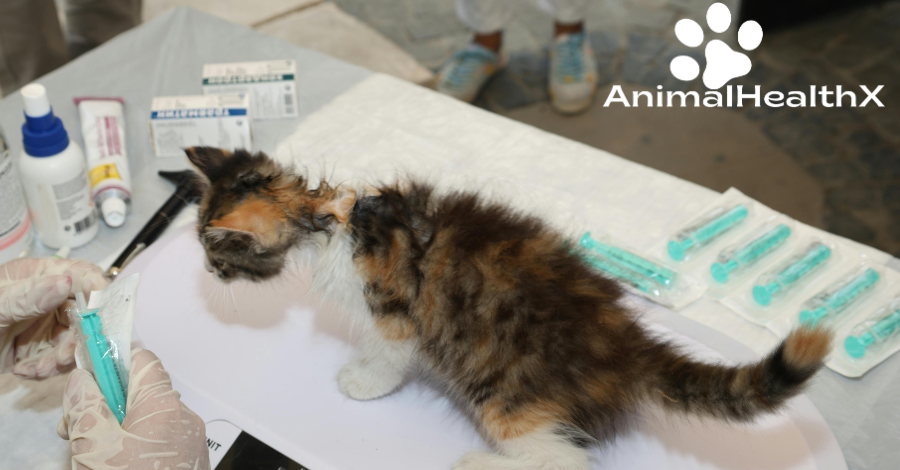
BI has launched an FDA-approved, quarterable tablet design for Previcox (firocoxib), a COX-2-selective NSAID indicated for control of pain and inflammation associated with osteoarthritis in dogs and for postoperative pain/inflammation following soft-tissue and orthopedic surgery.
Key Highlights
- Double-scored tablets: The 57 mg and 227 mg chewable tablets now feature double scoring to facilitate quartering, supporting more precise dose adjustments and dosing for dogs as small as ~7 lb; full-tablet strengths and formulation remain unchanged.
- Packaging & storage changes: Bottles are transitioning to a taller, standard round design with the cotton insert removed to reduce material use and simplify supply; divided tablets may be stored in their container for up to one month after splitting; bottle counts and child-resistant/senior-friendly push-and-turn closures are retained.
- Rollout: The redesigned product is being introduced progressively across 2026–2027, starting with 60-count bottles of the 227 mg and 57 mg strengths.
Impact
Quarterable Previcox tablets expand dosing flexibility across a broader weight range, which can improve dose precision for small dogs and reduce tablet waste from rounding to the nearest whole tablet. The packaging updates may lower material use and simplify handling for clinics and pet owners, while the ability to store split tablets for up to one month supports adherence and convenience without compromising the product’s established safety/efficacy profile when used per label.

Product Launch
Antech has launched the trūRapid Reader in North America, a portable digital imaging device designed to standardize and streamline workflow for its trūRapid in-house screening tests by capturing a timed image of results at the 10-minute read window and enabling integration with practice information management systems (PIMS).
Key Highlights
- Supported tests: trūRapid FOUR (dogs: heartworm antigen + antibodies to Borrelia burgdorferi, Anaplasma spp., Ehrlichia spp.) and trūRapid FIV/FeLV (cats: FeLV antigen + FIV antibodies); tests can still be read visually without the device.
- Device features: 4.3-inch touchscreen, compact/portable design, no separate monitor required; captures and stores ~200 images; no routine maintenance or calibration; samples do not enter the device.
- Digital integration: Results can be reviewed via HealthTracks, Antech’s platform that consolidates in-house rapid results, reference lab data, and other diagnostics into a single patient view.
- Clinical role: The Reader automates timed image capture and documentation but does not replace veterinary interpretation or indicated confirmatory testing.
Impact
By automating the 10-minute read capture and linking results to PIMS/HealthTracks, the trūRapid Reader can reduce manual steps, improve consistency in result documentation, and make rapid-test data easier to review and share within the care team, potentially accelerating decision-making during consultations while maintaining clinician oversight for interpretation and follow-up testing.


Product Launch
Acceleronix, Quectel and iBOI have introduced a GPS-enabled cattle ear tag and accompanying software platform, announced at Futurecom 2026, to support real-time livestock monitoring, herd management, and livestock-backed credit operations—initially tailored to Brazilian cattle farming conditions.
Key Components & Capabilities
- Hardware (Quectel): GPS ear tag integrating positioning, a temperature sensor, step counter, and RFID in a compact, farm-ready device.
- Connectivity & device management (Acceleronix): eSIM-based cellular connectivity with IoT middleware (ACX Core) for device lifecycle management; uses Lightweight M2M (LwM2M) to monitor device health, connectivity, and battery while limiting unnecessary data transmissions.
- Herd-management software (iBOI): Consolidates individual-animal and lot-level data—inventory, paddock/pasture movements, time-in-area, transfers, weight progression, average daily gain (ADG), body condition scores, and health/performance indicators.
- Operational features: Virtual fencing with geofenced management areas; alerts for perimeter breaches, escapes, unauthorized or anomalous movements, lack of movement, location anomalies, and temperature changes.
Impact
By combining GPS tracking, multi-sensor data, remote device management, and herd analytics, the collaboration moves beyond simple location tracking toward an integrated operational and financial tool for large-scale cattle operations. If performance and connectivity hold up in the field and unit economics work at scale, the solution could improve herd oversight, reduce losses from escapes/theft, and de-risk livestock-backed lending—starting in Brazil with potential for international expansion.


Distribution Expansion
PetPace has made its Smart Health Monitoring Collar available on Chewy, broadening access to its wearable system that combines continuous vital-sign monitoring with AI-driven analytics for dogs and cats. The move extends reach beyond PetPace’s direct channels to a major pet-retail platform.
Key Features
- Physiological + behavioral tracking: Continuously monitors pulse, respiration, temperature, heart rate variability (HRV), activity, sleep, calories, and posture.
- AI-powered insights: Flags deviations from an individual pet’s baseline to highlight potential pain, stress, or declining wellness; generates early-warning alerts for owners.
- Location & safety: GPS tracking with Safe Zone geofencing via the PetPace app.
- Veterinary connectivity: Subscription includes 24/7 chat/video access to PetPace-contracted veterinarians; data can be shared with the pet’s regular vet.
- Apple Watch integration: Displays selected pet-health metrics on the user’s wrist.
- Specialized programs: Includes condition-focused monitoring (e.g., epilepsy, pregnancy).
Impact
By placing a health-focused, AI-enabled collar on Chewy, PetPace can reach more pet owners seeking proactive monitoring between veterinary visits, potentially surfacing subtle changes earlier and enriching clinical conversations with objective trend data. Clinical utility will depend on measurement accuracy, alert reliability, and how well the data integrate into veterinary decision-making; the device is a monitoring aid, not a diagnostic tool or substitute for professional care.


Regulatory Milestone
Endovia Health Sciences and Lupvindol BioSciences announced that the FDA’s Center for Veterinary Medicine has determined CannEpil, an investigational oral solution containing CBD and THC, qualifies as a minor use for controlling bone cancer–associated pain in dogs, making it eligible to pursue conditional approval under the MUMS framework.
Key Highlights
- MUMS/conditional pathway: Designed for uncommon conditions in small animal populations; conditional approval can allow marketing while sponsors collect additional effectiveness data if safety, manufacturing, and a reasonable expectation of effectiveness are met.
- Next steps: A pre-submission meeting with the FDA is scheduled for November 19, 2026 to align on clinical studies, manufacturing requirements, and regulatory submissions for conditional approval.
- Manufacturing & timeline: Companies are establishing U.S.-based manufacturing to support development and potential commercial production; a 2027 U.S. veterinary launch is targeted, contingent on FDA review, regulatory completion, and manufacturing readiness.
Impact
The minor-use determination opens a formal, FDA-supervised pathway to bring a cannabinoid-based analgesic to dogs with bone cancer pain, an area of high unmet need, potentially accelerating access via conditional approval if data support a reasonable expectation of effectiveness. Success would position CannEpil within the veterinary drug landscape (rather than the supplement space), but availability and labeling will depend on meeting safety, CMC, and evidentiary requirements through the MUMS process.

Regulatory Milestone
OS Therapies has received development-pathway guidance from the USDA for OST-HER2, an investigational HER2-targeted cancer immunotherapy being advanced by its animal health subsidiary, OS Animal Health (OSAH), for canine osteosarcoma.
Key Highlights
- Conditional licensure strategy: OSAH intends to seek conditional licensure based on clinical efficacy data across multiple canine osteosarcoma settings, metastasis prevention, control of metastatic disease, and prevention of amputation in frontline treatment, with additional studies expected for full USDA licensure.
- Timeline & status: The company is targeting a potential US commercial launch in 2027, subject to meeting regulatory requirements; the USDA feedback is guidance only and does not constitute approval or conditional licensure.
- Manufacturing & financing: Progress on the human candidate Herlystic may inform CMC for the animal program; OSAH is evaluating strategic partnerships or direct financing and plans a Q4 2026 crowdfunding campaign to broaden its shareholder base and pursue initial U.S. exchange listing requirements.
Impact
The USDA guidance de-risks the regulatory pathway for OST-HER2 and clarifies the evidence needed to support conditional and eventual full licensure, potentially accelerating access to a targeted immunotherapy option for an aggressive disease with limited alternatives. If development proceeds as planned, the program could expand treatment choices for large/giant-breed dogs and create a differentiated, HER2-focused franchise in companion-animal oncology—contingent on successful trials, CMC readiness, and regulatory clearance.


Study Results
A head-to-head laboratory study published in Parasites & Vectors reported that Zoetis’ Simparica Trio showed higher efficacy than NexGard Plus against the macrocyclic lactone (ML)-resistant ZoeLA Dirofilaria immitis isolate in experimentally challenged dogs, with differences potentially linked to the higher moxidectin dose in Simparica Trio.
Study Results
- Design: 24 dogs challenged with the ML-resistant ZoeLA isolate; treated monthly for six months with Simparica Trio, NexGard Plus, or left untreated.
- Adult heartworms at study end: 2/8 dogs (25%) with Simparica Trio vs 6/8 dogs (75%) with NexGard Plus.
- Efficacy vs untreated control: 99.5% (Simparica Trio) vs 98.1% (NexGard Plus).
- Mean adult worm count: 0.2 (Simparica Trio) vs 0.7 (NexGard Plus); difference statistically significant (P = 0.0316).
- Antigen positivity at day 237: 1/8 (Simparica Trio) vs 4/8 (NexGard Plus).
- Microfilariae at study end: 0/8 (Simparica Trio) vs 1/8 (NexGard Plus).
- Safety: No treatment-related adverse events reported in either group.
Impact
The data provide comparative evidence that can inform veterinary discussions about heartworm prevention in regions where ML-resistant isolates are suspected, emphasizing the potential role of moxidectin dose intensity. Clinicians should interpret findings alongside local resistance patterns, patient risk factors, and adherence to labeled dosing and current heartworm prevention guidelines.

Spotting Kidney Disease in Cats Early
This week’s Monday Briefing explores advances in veterinary healthcare, from Bora Biologics and Protect Animal Health’s antibody development partnership to new treatment options and diagnostic technologies. The featured article examines chronic kidney disease in cats, highlighting early warning signs, diagnostic approaches, and long-term management. Other coverage includes Boehringer Ingelheim’s quarterable Previcox tablets, Antech’s in-clinic testing reader, regulatory progress for CannEpil and OST-HER2, and a comparative study of Simparica Trio and NexGard Plus against drug-resistant heartworms.
The Pulse of Global Animal Health
Enjoyed this edition? Share it with colleagues, partners, and fellow leaders shaping the future of animal health.
The industry is evolving at remarkable speed—from breakthrough biotech partnerships and regulatory milestones to AI-driven diagnostics and next-generation veterinary innovations. Staying informed isn’t just valuable—it’s essential to staying ahead.
Forward this newsletter, repost it, and help foster a more connected, informed, and forward-thinking global animal health community.