

From tracking daily activity to detecting subtle changes in behavior, modern pet wearables are redefining how owners and veterinarians monitor animal health, support preventive care, and make more informed decisions.
A dog that suddenly becomes less active may be experiencing more than a change in routine. A cat that sleeps longer, moves less, or alters its feeding patterns could be showing early signs of discomfort. Yet, recognizing these subtle changes is not always easy, particularly when pets cannot communicate what they are experiencing.
Modern wearable technology is beginning to bridge this gap.
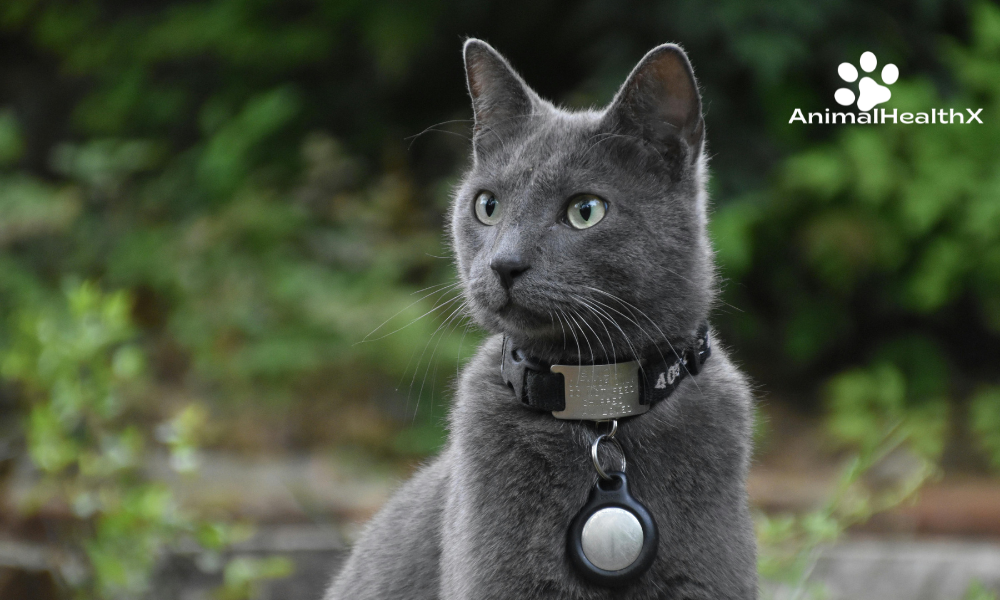
What once served primarily as a means of identifying and locating pets has evolved into a growing ecosystem of smart collars, activity trackers, GPS-enabled devices, and connected monitoring systems. These technologies can collect information about movement, rest, location, and selected physiological parameters, giving pet owners a more detailed view of their animals’ everyday lives.
As companion animals increasingly receive the kind of personalized attention once associated primarily with human healthcare, wearables are becoming an important part of the conversation around preventive veterinary care. By combining continuous data collection with analytics and veterinary expertise, these devices could help identify meaningful changes earlier and support more informed decisions about animal health.
Beyond GPS: The Evolution of Pet Wearables
The first generation of connected pet devices largely focused on location tracking, helping owners locate lost animals and monitor their movements. While these capabilities remain valuable, modern wearables are expanding into health and wellness monitoring.
Today’s devices can measure activity levels, estimate sleep patterns, record movement, and track behavioral trends. Depending on the device and its sensors, some systems can also monitor parameters such as heart rate, respiratory rate, or body temperature, although the accuracy and availability of these measurements vary.
The information collected can help establish an individual animal’s normal behavioral patterns. Instead of relying solely on general activity benchmarks, owners may be able to understand how their pet typically moves, rests, and responds to daily routines.
For example, a tracker might reveal that an older dog’s activity has gradually declined over several weeks. While this change could reflect aging or reduced exercise, it might also justify a veterinary assessment for pain, mobility problems, or another underlying condition.
The value of these devices lies not simply in collecting more data, but in helping owners recognize changes that might otherwise go unnoticed.
Turning Everyday Movement Into Health Insights
One of the most promising applications of wearable technology is activity monitoring.
Dogs and cats communicate much of their physical and emotional state through movement and behavior. Changes in walking duration, playfulness, rest, or general activity can sometimes provide useful clues about their well-being.
Wearables can help track these patterns over time, allowing owners to compare current behavior with an established baseline. Some platforms use analytical models to identify sustained changes and notify owners when activity patterns move outside expected ranges.
For dogs, this information can support exercise planning, weight management, and recovery monitoring. Owners may use daily activity summaries to determine whether their pets are receiving sufficient movement or whether their routines need adjustment.
For cats, activity monitoring can provide a different perspective. Because cats often conceal discomfort and spend considerable time resting, changes in movement patterns may be difficult to recognize without consistent observation.
However, reduced activity is not a diagnosis. Weather, age, stress, environmental changes, and normal behavioral variation can all influence movement. Wearable-generated alerts should therefore be interpreted alongside other observations and, when appropriate, veterinary advice.
A New Perspective on Sleep and Recovery
Sleep and rest patterns are another important area of interest in pet health monitoring.
Changes in resting behavior may accompany aging, discomfort, illness, or disruptions to an animal’s environment. Wearables that estimate sleep duration and movement during rest can provide additional context about these changes.
Consider a senior dog recovering from orthopedic surgery. A wearable could help its owner monitor activity during recovery and identify periods when the animal appears to be moving more than expected. When interpreted within a veterinarian’s recovery plan, these observations may help guide discussions about activity restrictions and rehabilitation.
Similarly, changes in a pet’s nighttime movement or resting patterns could prompt owners to investigate environmental disturbances or discuss possible health concerns with a veterinarian.
Yet, sleep measurements from consumer devices should be treated cautiously. Movement-based estimates cannot necessarily distinguish sleep from quiet wakefulness, and device performance may vary across species, breeds, and individual animals.
The greatest benefit comes from viewing rest data as one part of a broader picture of health rather than as a standalone clinical measurement.
Supporting Chronic Disease Management
Wearables could become particularly useful for animals requiring ongoing management of chronic conditions.
Pets living with mobility limitations, cardiovascular problems, obesity, or other long-term health concerns may benefit from consistent observation between veterinary appointments. Traditional examinations provide important clinical information, but they offer only a snapshot of an animal’s condition at a particular moment.
Wearable devices can supplement that snapshot with longitudinal data.
For example, changes in activity and resting behavior may help a veterinarian understand how an animal is functioning at home. In selected applications, physiological measurements may also contribute useful information when collected with appropriate equipment and interpreted within a validated clinical framework.
For an overweight dog, activity tracking could support a structured weight-management program by helping owners monitor movement and maintain consistent routines. For an animal undergoing rehabilitation, movement data may offer additional context about progress between scheduled assessments.
The potential is not limited to individual pets. Over time, well-designed monitoring systems could also help veterinary researchers investigate disease progression, treatment responses, and patterns of recovery.
However, wearables cannot replace physical examinations, diagnostic testing, or prescribed treatment. Their role is to strengthen the information available to veterinary teams, not to independently determine whether a treatment is working or a condition is worsening.
Connecting Pet Parents With Veterinary Care
The growing integration of wearables with mobile applications and digital veterinary platforms is creating new possibilities for connected care.
Rather than relying entirely on an owner’s recollection of recent changes, veterinarians may be able to review activity summaries, behavioral trends, and selected monitoring data before or during a consultation.
This can help owners communicate their concerns more clearly. A general observation that a pet seems less energetic, for instance, may be supported by several weeks of activity records showing a sustained decline in movement.
Some connected platforms also allow owners to share information remotely, supporting follow-up conversations and more structured monitoring between appointments.
For veterinary practices, these capabilities may improve continuity of care and make routine follow-ups more informative. They could be especially helpful when monitoring recovery, supporting weight-management programs, or tracking changes in older animals.
Nevertheless, the usefulness of remote monitoring depends on data quality, clear communication, and defined clinical workflows. Veterinary teams must understand which measurements are reliable, what changes warrant attention, and when an in-person examination is necessary.
Technology can improve the flow of information, but the veterinarian remains responsible for interpreting its clinical significance.
The Technology Behind Smarter Pet Monitoring
Modern pet wearables combine several technologies to collect and interpret information about animal behavior and physiology.
Accelerometers measure movement and help estimate activity levels. GPS technology supports location tracking, while gyroscopes can provide additional information about orientation and movement. Depending on the device, optical sensors and other measurement technologies may be used to estimate selected physiological parameters.
Connectivity allows these devices to transfer information to smartphones or cloud-based platforms, where software can organize trends and generate summaries. Some systems incorporate artificial intelligence or machine-learning techniques to identify patterns in collected data.
For example, an analytical model might compare a dog’s recent activity with its historical baseline and flag a persistent deviation. More advanced applications may combine multiple data streams to help distinguish meaningful changes from ordinary fluctuations.
However, the sophistication of a device does not automatically guarantee clinical accuracy. Sensor placement, fur, body shape, movement patterns, battery performance, and environmental conditions can affect measurements.
Wearable developers must therefore consider the specific needs of different species and breeds, rather than assuming that a system designed for one animal will perform equally well across all companion animals.
The Challenges of Making Wearables Clinically Useful
Despite their potential, pet wearables face several challenges that will influence their adoption in veterinary care.
Accuracy and validation remain essential. Consumer devices may provide useful estimates of activity or rest, but not every measurement has been validated for clinical use. Independent testing under real-world conditions is necessary before a device’s outputs can be relied upon for medical decisions.
Data overload is another concern. Continuous monitoring can generate large volumes of information, much of which may have limited clinical significance. Poorly designed alerts could create unnecessary anxiety, while excessive notifications may cause owners to ignore important warnings.
Comfort and usability also matter. Wearables must fit securely without restricting movement, irritating the skin, or creating unnecessary stress. Devices intended for cats may require different designs and monitoring approaches from those developed for dogs.
Privacy and affordability cannot be overlooked. Connected devices may collect location histories, household information, and details about an animal’s daily routines. Manufacturers must protect this information, while pricing and subscription models should not make useful monitoring accessible only to a narrow group of pet owners.
Ultimately, successful adoption will depend on balancing convenience, reliability, animal welfare, and meaningful clinical value.
Building the Future of Preventive Pet Care
The next phase of pet wearables will likely focus on more personalized monitoring, better integration with veterinary records, and improved interpretation of data collected in everyday environments.
As sensors and analytical tools advance, developers may be able to build more reliable systems that recognize individual behavioral patterns and provide clearer, better-calibrated alerts. Integration with veterinary platforms could also make it easier to translate observations from the home into actionable information during clinical consultations.
For the animal health industry, this creates opportunities for collaboration among wearable manufacturers, veterinary practices, diagnostics companies, insurers, and digital health innovators. The most valuable solutions will be those that demonstrate measurable benefits for animal welfare rather than simply offering more features.
Veterinarians will remain central to this evolution, helping determine which measurements are clinically relevant and how monitoring tools should be incorporated into responsible care.
Ultimately, the promise of modern pet wearables extends beyond counting steps or locating a wandering companion. By making everyday patterns more visible, these technologies could help pet owners notice meaningful changes, support more informed veterinary conversations, and provide animals with care that is increasingly proactive and personalized.
The future of pet health may not depend on monitoring everything. It may depend on recognizing the right signals, understanding what they mean, and acting when an animal needs help.