


Cover Story
- dsm-firmenich Names Two Companies Ahead of Animal Nutrition Business Sale
Featured Article:
- Why Won’t My Pet Stop Scratching?
Regulatory Approval
- Zoetis Receives FDA Approval for Convenia RTU for Dogs
Company Launch & Financing
- Familiar Therapeutics Raises $5M to Develop Human Medicines for Pets
Product Launch
- HenArt Launches Levendo Dog Food Featuring Enifer’s Pekilo Mycoprotein

dsm-firmenich Names Two Companies Ahead of Animal Nutrition Business Sale

Transaction Update
dsm-firmenich has announced Noviwest and Panavora as the names of the two standalone companies that will emerge from the planned sale of its Animal Nutrition & Health business to CVC Capital Partners. Completion remains subject to regulatory approvals, employee consultations, and other conditions; post-close, CVC will own the businesses while dsm-firmenich retains a 20% equity stake in each.
Key Highlights
- Noviwest: Will focus on essential ingredients-vitamins, carotenoids, and aroma ingredients-serving food, feed, fragrance, and pharmaceutical customers; strategy centers on product quality, supply reliability, and manufacturing resilience, leveraging European vitamin production capabilities. Led by designated CEO Silvia Sonneveld.
- Panavora: Will focus on animal nutrition and health-feed additives, premix distribution, nutritional expertise, and digital solutions-to help producers improve animal health, performance, and sustainability through science-based and precision capabilities. Led by designated CEO Ivo Lansbergen.
- Structure: Post-close, the two companies will operate independently with separate management and governance, though they may collaborate in complementary areas.
Impact
The separation creates two focused entities with distinct strategic mandates-ingredient supply resilience (Noviwest) versus innovation-led animal nutrition solutions (Panavora)-potentially enabling sharper investment and faster decision-making in each domain. For customers and the animal-health ecosystem, the practical impact will depend on execution: maintaining supply continuity during transition, preserving product/service quality, and translating the new companies’ focused strategies into tangible outcomes across the animal-protein value chain.

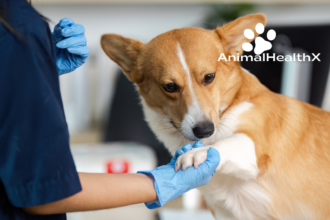
Why Won’t My Pet Stop Scratching?
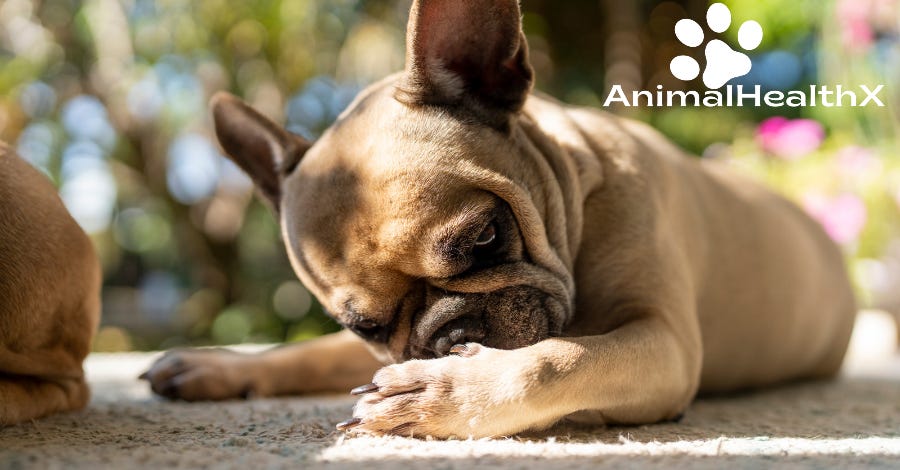
An occasional scratch is normal for dogs and cats, but persistent itching can signal an underlying skin problem. When scratching, licking or chewing becomes frequent, it may indicate an allergy, parasite infestation, infection or another condition that needs veterinary attention. Recognizing when an ordinary itch becomes a persistent problem can help prevent discomfort and further skin damage.
Allergies are a common cause of ongoing itching in pets. Animals may react to environmental allergens such as pollen, mould and dust mites, ingredients in their food, or substances they encounter through direct contact. Flea allergy is another important trigger, and even a small number of flea bites can cause intense itching in sensitive animals. Although the underlying causes differ, allergic skin disease often produces similar signs, making diagnosis more complicated than simply identifying where a pet scratches.
The symptoms can extend beyond scratching. Dogs may repeatedly lick their paws, rub their faces against furniture, or develop redness around their ears, belly and armpits. Cats may overgroom, develop scabs or experience patches of hair loss. Continued scratching and licking can damage the skin, allowing bacteria or yeast to multiply and create secondary infections that intensify the irritation. This can turn a cycle of itching and inflammation into a more persistent problem.
Because several conditions can look alike, identifying the cause is essential. Veterinarians may examine the skin and ears, check for fleas and other parasites, and perform tests for infection. If food allergy is suspected, a carefully managed elimination diet may be recommended. Environmental allergies can be more challenging to confirm and may require a detailed history and additional testing. Treatment depends on the cause and may involve parasite control, medication to manage inflammation and itching, treatment for secondary infections, or longer-term allergy management.
Pet owners should seek veterinary advice when itching becomes frequent, disrupts sleep, causes hair loss or leaves the skin red, sore or wounded. Facial swelling, difficulty breathing or sudden severe symptoms require urgent veterinary attention. Human medications and home remedies should not be used without professional guidance, as some can be harmful to pets.
An occasional scratch may be harmless, but persistent itching is not something pets should have to live with. Finding the underlying cause-not just suppressing the itch-is the key to protecting skin health and restoring comfort.

Regulatory Approval
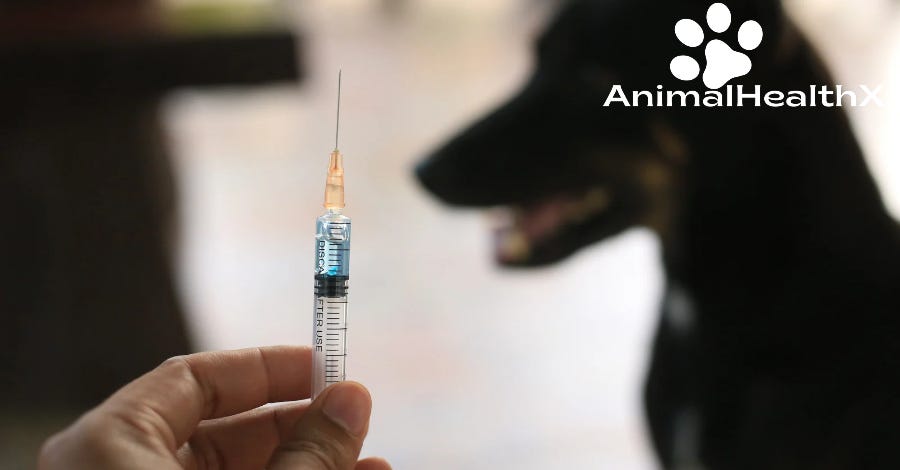
Zoetis has received FDA approval for Convenia RTU for Dogs (cefovecin injectable suspension), a more concentrated, long-acting antibiotic formulation for treating susceptible bacterial skin infections in dogs. Administered by a veterinary professional, it delivers up to 14 days of treatment in a single injection.
Key Highlights
- Formulation advantage: More concentrated than the original Convenia (approved 2008), allowing the same dose in a smaller injection volume for easier administration across dog sizes.
- Adherence benefit: Clinic-administered injection removes the need for daily oral dosing; Zoetis cites a study showing 86% of cefovecin-treated dogs needed only one injection to resolve bacterial skin infections.
- Bioequivalence & experience: RTU is bioequivalent to the established Convenia formulation, which has 18 years of real-world clinical use.
- Adherence context: Zoetis cites canine studies showing only 27% of owners administered short-term antibiotics at correct intervals, underscoring the value of long-acting injectables when clinically appropriate.
Impact
Convenia RTU for Dogs expands the long-acting antibiotic option for veterinary management of pyoderma and other susceptible skin infections, potentially improving treatment completion and reducing adherence-related failures. As with all antimicrobials, use should follow culture/susceptibility guidance and antimicrobial stewardship principles, since long-acting injectables are not appropriate for every infection.

Company Launch & Financing
Familiar Therapeutics has launched with $5 million in seed funding-led by Pioneer Fund, Icehouse Ventures, and BreakTHRU (a syndicate of animal-health leaders and veterinarians)-to adapt human-medicine advances into approved treatments for serious diseases in dogs and cats. In its first five months, the Redwood City-based company has built a 13-program pipeline, secured multiple pharma partnerships, filed a provisional patent, and opened two INAD files with FDA CVM.
Key Highlights
- Pipeline scope: Four lead programs and nine earlier-stage programs across oncology, neurology, cardiology, respiratory disease, and immunology.
- Lead candidate: FAM-010 targets canine hemangiosarcoma (no FDA-approved treatment currently exists); a pilot study begins this fall at the University of Illinois College of Veterinary Medicine, led by veterinary oncologist Timothy M. Fan.
- Other lead programs: Intervertebral disc disease, breathing disorders in brachycephalic breeds (e.g., French Bulldogs, Pugs), and immune-mediated diseases.
- Business model: Licenses veterinary rights to human drug candidates from pharma/biotech partners, then leads veterinary clinical development, manufacturing, and regulatory work; intends to pursue full FDA approval, with conditional approval where eligible.
- Founders: Elizabeth Iorns, PhD, and Dan Knox, MBA (previously co-founded Science Exchange), leveraging veterinary cancer research experience.
Impact
Familiar’s model creates a more direct pathway for promising human therapies to reach companion-animal medicine, addressing a persistent gap where human drug development does not automatically translate to veterinary approvals. The seed round will advance lead candidates into clinical studies and grow the pipeline, though each program must still demonstrate species-specific safety, efficacy, and manufacturing quality through FDA review-making FAM-010’s upcoming hemangiosarcoma study an early test of the platform’s approach.

Product Launch
Dutch premium pet-food brand HenArt has launched Levendo, a complete dog food for adult and senior dogs featuring Enifer’s Pekilo mycoprotein, marking the ingredient’s first international consumer launch and bringing fermented protein into a complete everyday diet for dogs in Europe and the UK.
Key Highlights
- Nutritional profile: Formulated to FEDIAF guidelines; Pekilo provides all essential amino acids, naturally occurring beta-glucans, B vitamins, and spermidine.
- Production approach: Gently baked (vs conventional extruded kibble), with HenArt’s in-house fermentation blend and recipe and manufacturing by established European producers.
- Ingredient evidence: Canine feeding research cited by Enifer shows high protein digestibility and palatability, a 60-day study with no negative stool-quality impact, and preliminary immune-support signals, though broader health implications require further research.
- Commercial scale: Available via HenArt’s online store and specialist distributors in Europe/UK, with retail expansion planned; Enifer is commissioning a 3,000-ton Pekilo facility targeting full-scale production in 2027; wet-food products using TenderCraft technology are in development.
Impact
Levendo moves fermentation-derived mycoprotein from specialty ingredient status into mainstream complete pet nutrition, giving premium dog-food formulators a scalable alternative protein with a differentiated nutritional and sustainability profile. Commercial success will hinge on consumer acceptance, price competitiveness, manufacturing scale-up, and long-term evidence of nutritional adequacy-factors that could shape how widely fermented proteins are adopted across the pet-food category.

When Scratching Signals a Skin Problem in Pets
This week’s Monday Briefing explores dsm-firmenich’s plans to separate its Animal Nutrition & Health business into two standalone companies, Noviwest and Panavora. The featured article examines persistent itching in pets, covering common causes, warning signs, and treatment approaches. Other coverage includes Zoetis’ FDA approval of Convenia RTU for dogs, Familiar Therapeutics’ $5 million seed funding to develop medicines for pets, and HenArt’s launch of Levendo dog food featuring Enifer’s Pekilo mycoprotein.
The Pulse of Global Animal Health
Enjoyed this edition? Share it with colleagues, partners, and fellow leaders shaping the future of animal health.
The industry is evolving at remarkable speed—from breakthrough biotech partnerships and regulatory milestones to AI-driven diagnostics and next-generation veterinary innovations. Staying informed isn’t just valuable—it’s essential to staying ahead.
Forward this newsletter, repost it, and help foster a more connected, informed, and forward-thinking global animal health community.