


ANIMALHEALTHX Weekly is your weekly pulse on the global animal health industry, delivering curated insights, executive interviews, regulatory updates, innovation breakthroughs, and market movements shaping the future of veterinary medicine and animal care.

Cover Story
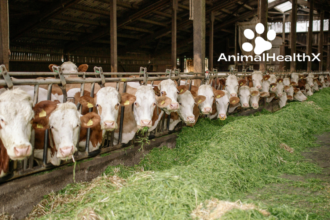
Boehringer Ingelheim Launches Lenzelta for Mastitis Prevention
- A new vaccine designed to reduce mastitis incidence and severity, supporting preventive herd health and improving dairy productivity.
Feature Article
Connected Companions: Wearables Transform Pet Care
- Exploring how smart collars and biometric trackers are enabling real-time monitoring, preventive care, and data-driven insights in companion animals.
Clinical & Regulatory Update
Gallant Reports Stem Cell Data Gets FDA Fast Track
- Positive feline OA data and FDA-CVM pathway eligibility position regenerative therapy for accelerated approval.
Early Clinical Development
BioTesserae Reports Safety Data for BTC-001
- First-in-dog study highlights safety and scalability of a PD-1 antibody, advancing immuno-oncology in veterinary medicine.
Program Launch
Bond Vet Launches Membership for Preventive Care
- A subscription-based model enhancing access, client engagement, and continuity of care across its clinic network.

Boehringer Ingelheim Launches Lenzelta Vaccine for Mastitis Prevention in Dairy Cattle
Product Launch
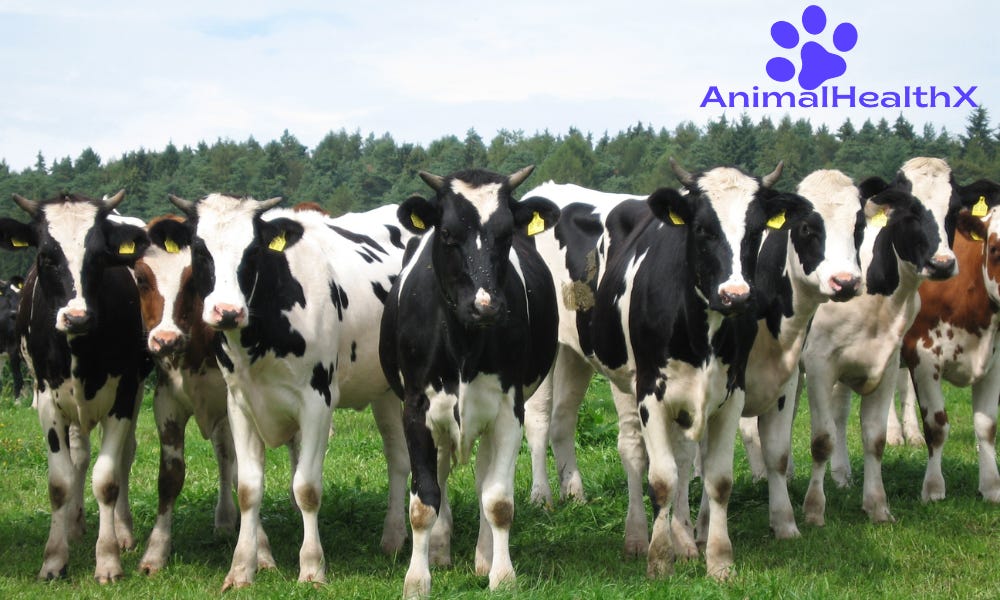
Boehringer Ingelheim has introduced Lenzelta , a new mastitis vaccine for dairy cows and heifers designed to significantly reduce the incidence and severity of clinical mastitis caused by Staphylococcus aureus and Escherichia coli.
Key Highlights
- Targeted protection: Lenzelta provides immunity against the two primary mastitis pathogens, S. aureus and E. coli, directly addressing some of the most economically damaging infections in dairy herds.
- Long-lasting efficacy: Administered as two doses during the dry-off period, the vaccine offers early onset of immunity and up to six months of protection, covering the high-risk periparturient and early lactation window.
- Practical integration: The oil-free, two-dose regimen is designed to fit easily into existing herd health protocols, with multiple vial sizes to accommodate different herd structures.
Impact
Supports a shift from reactive treatment to preventive herd-health management, helping dairy producers improve milk quality, reduce antibiotic use and treatment costs, and enhance welfare and sustainability as Lenzelta rolls out across several EU markets starting April 2026.

Connected Companions: How Wearable Technology is Transforming Pet Care

The world of companion animal care is entering a new era, driven by the rapid adoption of wearable technology. As pets increasingly become valued family members, pet owners are seeking smarter ways to monitor their health, safety, and overall well-being. Pet wearables—ranging from smart collars to advanced biometric trackers—are emerging as powerful tools that bring data-driven insights into everyday pet care, redefining how we understand and support our animals.
One of the most prominent trends is the growing demand for real-time health monitoring. Modern pet wearables can track vital metrics such as activity levels, heart rate, sleep patterns, and even calorie expenditure. These insights enable pet owners to better understand their pet’s daily routines and detect subtle changes that may indicate underlying health issues. This shift toward continuous monitoring is helping bridge the gap between routine care and proactive health management.
Location tracking and safety features are also playing a critical role in the adoption of pet wearables. GPS-enabled devices allow owners to monitor their pet’s whereabouts, set virtual boundaries, and receive alerts if their pet strays beyond designated zones. This added layer of security provides peace of mind, particularly for pet owners in urban environments or those with outdoor pets, reducing the risks associated with lost or stolen animals.
The integration of artificial intelligence and data analytics is further elevating the capabilities of pet wearables. These technologies can analyze behavioral patterns over time, offering personalized insights and recommendations tailored to each pet’s unique needs. From identifying signs of anxiety to detecting early symptoms of illness, AI-powered wearables are enabling a more nuanced understanding of pet health and behavior.
Preventive healthcare is becoming a central focus with the rise of wearable technology. By continuously collecting and analyzing data, these devices can help identify potential health concerns before they become serious. Early detection of issues such as reduced activity, irregular sleep, or abnormal vital signs allows for timely veterinary intervention, ultimately improving outcomes and reducing long-term healthcare costs.
Innovation in design and usability is also shaping the pet wearables market. Devices are becoming more lightweight, durable, and comfortable, ensuring they seamlessly integrate into a pet’s daily life. Advances in battery life, waterproofing, and mobile app connectivity are enhancing user experience, making it easier for pet owners to stay connected with their pets anytime, anywhere.
Sustainability and ethical considerations are beginning to influence product development as well. Manufacturers are exploring eco-friendly materials, energy-efficient components, and longer-lasting devices to minimize environmental impact. As consumer awareness grows, the demand for responsible and sustainable pet tech solutions is expected to increase.
In conclusion, pet wearables are evolving from novelty gadgets into essential tools for modern pet care. By combining technology with empathy, these innovations are empowering pet owners to make informed decisions, enhance safety, and support healthier, more connected lives for their companion animals.

Clinical and Regulatory Update
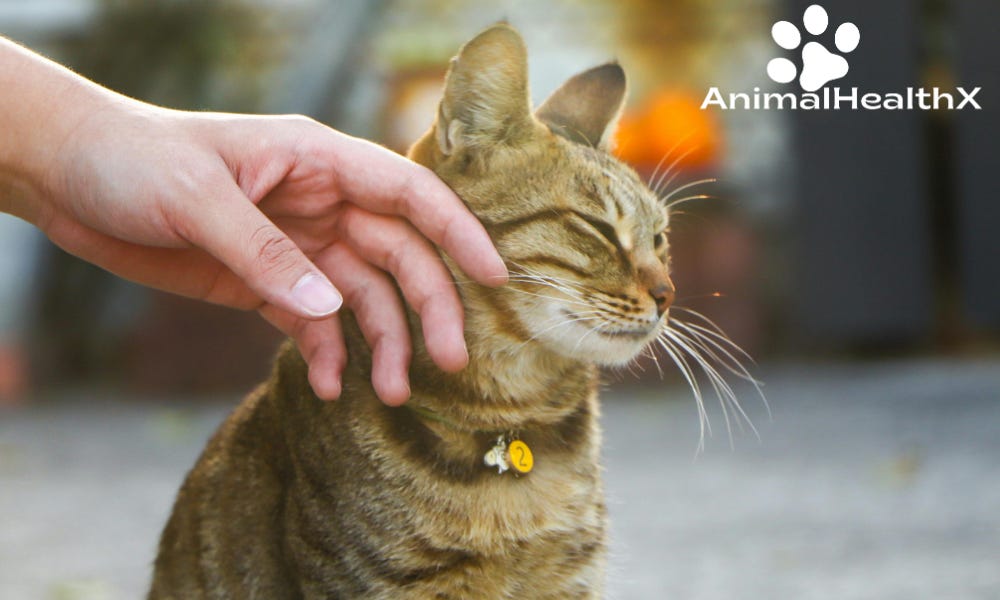
Gallant has announced positive pilot data for its intravenous uterine-derived mesenchymal stromal cell (UMSC) therapy in cats with naturally occurring osteoarthritis, alongside FDA Center for Veterinary Medicine eligibility for the expanded conditional approval pathway, which could accelerate time to market.
Key Highlights
- Efficacy: Three months post-treatment, 76.2% of treated cats showed improvement on a client-specific outcome measure versus 36.4% on placebo, while 81% of treated cats had improved overall quality of life and pain scores compared with 36.4–45.5% in the placebo group, based on both owner-reported and veterinarian-assessed tools.
- Safety: The IV-administered UMSC therapy was well tolerated over the 90-day study, with no significant safety concerns reported and a one-year continuation study underway to further evaluate durability and safety.
- Regulatory: FDA-CVM’s expanded conditional approval pathway eligibility confirms target animal safety and cGMP manufacturing quality while enabling a faster route to conditional approval for a therapy addressing a significant unmet medical need in feline osteoarthritis.
Impact
Positions Gallant at the forefront of veterinary regenerative medicine, complementing its lead UMSC candidate sonruvetcel for refractory feline chronic gingivostomatitis and a broader pipeline in canine OA, feline kidney disease, and dermatology, with the potential to redefine long-term management of chronic diseases in companion animals.

Early Clinical Development
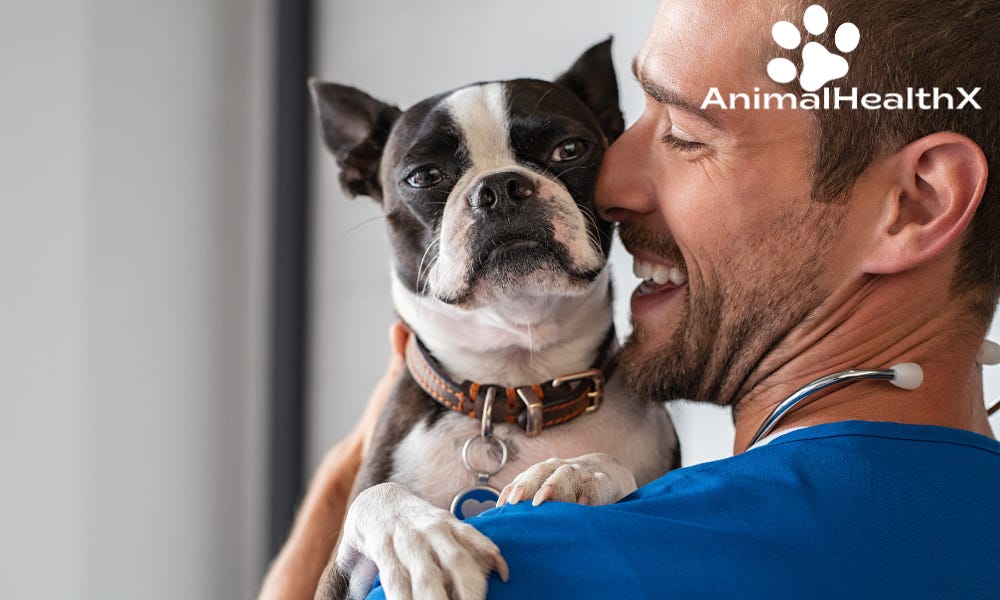
BioTesserae Inc., in collaboration with Sunflower Therapeutics PBC, has reported positive safety results from a first-in-dog, single ascending dose study of BTC-001, a proprietary single domain antibody targeting the PD-1 immune checkpoint for canine cancer.
Key Highlights
- BTC-001 was well tolerated in healthy dogs following a single intravenous dose, with no dose-limiting toxicities observed even at up to three times the anticipated therapeutic dose.
- The candidate is a next-generation single domain antibody immunotherapy directed at PD-1, a pathway successfully targeted in human oncology by drugs such as nivolumab and pembrolizumab, but engineered here in a simplified format to support manufacturability and affordability in veterinary use.
- Using Sunflower Therapeutics’ yeast-based biomanufacturing platform, the study also demonstrated successful pilot-scale synthesis, purification, and release of BTC-001, validating a scalable and cost-effective production route for future clinical and commercial supply.
Impact
Positions BTC-001 to advance into further canine cancer studies and underscores a broader trend of translating human immuno-oncology into veterinary medicine using streamlined antibody formats and innovative manufacturing platforms to expand access to advanced biologic therapies for pets.

Program Launch
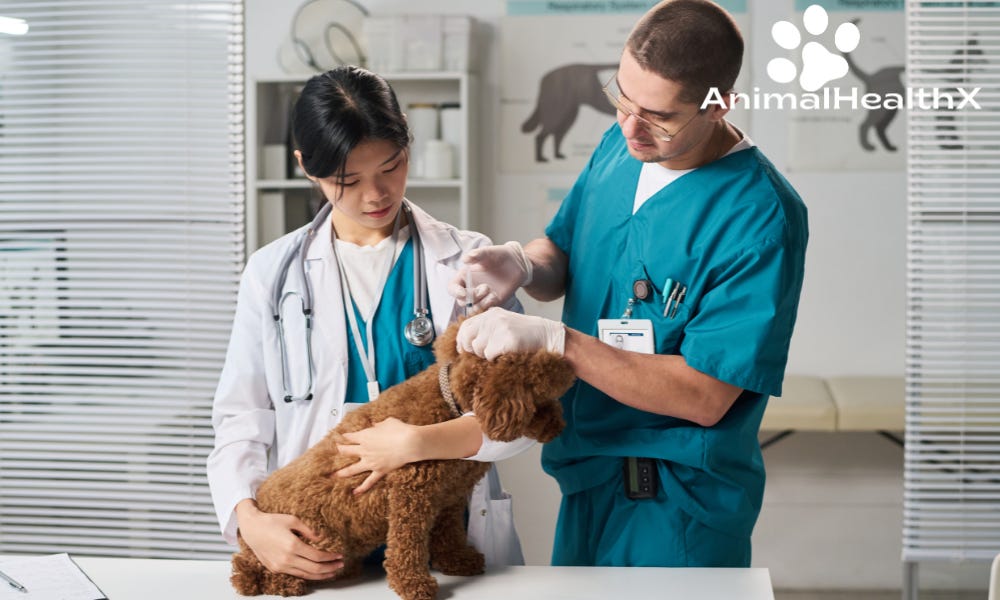
Bond Vet has launched a subscription-based membership program designed to expand access to care, improve continuity, and strengthen long-term client relationships across its clinic network.
Key Highlights
- Preventive care focus: Includes one fully covered exam each year and 20% off additional exam fees, encouraging routine visits and earlier intervention.
- Enhanced access: Provides priority virtual chat/teletriage with Bond Vet’s medical team, offering faster clinical guidance and support between visits.
- Client engagement: Members receive exclusive perks, events, and benefits, with a limited-time Founding Member promotion (April 13–19) offering 100 dollars off enrollment to accelerate early adoption.
Impact
Advances a membership-based, preventive-first, hybrid care model that supports higher visit frequency, stronger client loyalty, and more predictable recurring revenue, aligning with Bond Vet’s tech-enabled, modern approach to veterinary care.

Preventive Care, Smart Tech & Breakthrough Biologics Rise
Boehringer Ingelheim leads with LENZELTA, advancing mastitis prevention and reducing antibiotic reliance in dairy cattle. Pet care evolves as wearable technology enables real-time monitoring and proactive health insights. Gallant gains FDA-CVM fast-track momentum for stem cell therapy in feline OA, while BioTesserae progresses PD-1 immunotherapy for canine cancer. Meanwhile, Bond Vet drives preventive care adoption through a membership-based, tech-enabled care model.
The Pulse of Global Animal Health
Enjoyed this edition? Share it with colleagues, partners, and fellow leaders shaping the future of animal health.
The industry is evolving at remarkable speed—from breakthrough biotech partnerships and regulatory milestones to AI-driven diagnostics and next-generation veterinary innovations. Staying informed isn’t just valuable—it’s essential to staying ahead.
Forward this newsletter, repost it, and help foster a more connected, informed, and forward-thinking global animal health community.