



Featured Article
- Are Modern Treatments Becoming Unaffordable?
Cover Story
- The Farmer’s Dog to Acquire Woof, Expanding Into Canine Wellness and Enrichment
Research Development
- Kindred Advances Gene-Edited Dogs Designed to Reduce Major Allergen
Product Launch
- Zomedica Launches PulseVet Acoustic Muffler for Quieter Shock Wave Therapy
- LIMPID Launches Kinfora
Clinical Trial Results
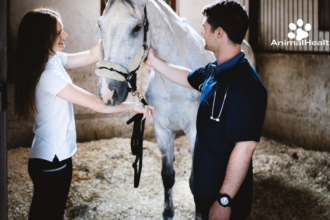
- Equicenta CTM Outperforms Standard Care in Multi-Center Equine Lameness Trial

The Farmer’s Dog to Acquire Woof, Expanding Into Canine Wellness and Enrichment

Strategic Acquisition
The Farmer’s Dog will acquire Woof, the pet wellness company behind functional enrichment products such as the Pupsicle. The transaction would expand The Farmer’s Dog beyond fresh nutrition into a broader canine wellness portfolio
Key Highlights
- Combines The Farmer’s Dog’s fresh, human-grade nutrition with Woof’s functional enrichment and interactive play products.
- Woof’s Pupsicle products have reached millions of dogs, supporting mental stimulation and healthier play.
- Woof will operate as an independent division following completion; financial terms were not disclosed.
- Transaction is expected to close in 2026, subject to customary closing conditions.
Impact
The acquisition positions The Farmer’s Dog to build a broader canine wellness platform spanning nutrition, enrichment, and quality of life. It also reflects the growing convergence of pet food, preventive wellness, and behavioral care.

Are Modern Treatments Becoming Unaffordable?

Veterinary medicine has never offered more options for diagnosing and treating pets. Advanced imaging, specialized surgery, cancer therapies, dental procedures, and long-term disease management are helping animals live longer and healthier lives. But in 2026, another question is becoming increasingly difficult for pet owners to ignore: Can everyone afford these advances?
In the US, veterinary care prices have increased by about 43% since 2021, according to recent data cited by CBS News. Rising veterinary fees are adding to the broader cost of pet ownership and putting greater pressure on household budgets.
The increase is not simply about the cost of a veterinary consultation. Modern veterinary medicine increasingly involves sophisticated diagnostic equipment, laboratory testing, specialist expertise, medications, anesthesia, hospitalization, and follow-up care. These advances can improve outcomes, but they also require significant investment in equipment, facilities, training, and skilled veterinary teams.
The affordability challenge is not limited to the US. In the UK, the Competition and Markets Authority (CMA) highlighted rising veterinary costs in 2026 and introduced measures aimed at improving price transparency and consumer choice, helping pet owners better understand and compare the veterinary care available for their animals.
For pet owners, the financial impact can be particularly significant when an unexpected diagnosis requires advanced treatment. Cancer care, orthopedic procedures, emergency hospitalization, and lifelong medication can quickly become major expenses.
Preventive care remains one of the most practical ways to manage both health and costs. Routine examinations, vaccinations, dental care, parasite prevention, and early investigation of health changes can help identify problems before they become more serious. Pet insurance, dedicated savings, and discussing treatment options and expected costs with a veterinarian can also help owners prepare for unexpected expenses.
The challenge for veterinary medicine in 2026 is therefore not simply developing better treatments, but ensuring that advances in animal healthcare remain accessible to the people responsible for paying for them.


Research Development
Kindred has emerged from stealth with peer-reviewed research, published in The CRISPR Journal, describing a precision CRISPR-Cas9 gene edit intended to eliminate Can f 1, the major allergen produced by dogs.
Key Highlights
- Researchers evaluated two female beagles, Alfie and Bailey, born in September 2024, using targeted gene editing to knock out the gene responsible for Can f 1 production.
- No detectable Can f 1 was identified in saliva or hair/dander samples from the edited dogs.
- The dogs demonstrated normal growth and development during veterinary examinations, with no detectable off-target edits across the genomic sites analyzed through whole-genome sequencing.
- Skin-prick testing showed no detectable reaction to samples from the edited dogs in a sensitized individual.
- Samples from poodles and goldendoodles produced measurable reactions, challenging the perception that these breeds are completely hypoallergenic.
Impact:
The research highlights the potential of precision gene editing to address dog allergies at the source rather than managing allergen exposure after production. However, the findings remain investigational: Kindred’s dogs are not commercially available, the edit has not been approved by the FDA, and further studies are needed to establish long-term safety, animal welfare, regulatory acceptability, and ethical implications.


Product Launch
Zomedica has launched the PulseVet Acoustic Muffler, an accessory designed to reduce noise generated during shock wave therapy while preserving the energy delivery and clinical performance of PulseVet systems.
Key Highlights
- Designed for use with existing PulseVet shock wave therapy systems, redirecting and dampening unnecessary acoustic noise during treatment.
- Reduces procedural noise without altering the therapeutic shock waves responsible for treatment efficacy.
- Maintains established energy delivery characteristics and treatment protocols.
- Integrates with existing PulseVet systems without requiring equipment or workflow modifications.
- May support a calmer treatment environment for animals sensitive to unfamiliar or loud sounds.
Impact
The Acoustic Muffler provides veterinary practices with a straightforward way to improve patient comfort and the treatment environment without changing established PulseVet workflows or performance characteristics. The launch illustrates how incremental improvements to veterinary technology can address operational challenges while enhancing the experience for animals, caregivers, and clinical teams.


Product Launch South Korea-based LIMPID Corp. has launched Kinfora, an AI-powered pet healthcare platform that combines real-time behavior monitoring with personalized nutrition. The platform unifies LIMPID’s Saladpet nutrition app and Dogibogi AI camera service into an integrated pet health ecosystem.
Key Highlights
- Kinfora Cam uses AI to identify individual pets and detect behavioral changes, including separation anxiety, excessive barking, altered activity levels, and other deviations from normal patterns.
- Connects behavioral insights with nutrition products developed by LIMPID’s veterinary nutrition team.
- Officially launched on July 14, 2026, alongside LIMPID’s direct-to-consumer store; existing Saladpet and Dogibogi users are expected to migrate to the unified platform during 2026.
- LIMPID has completed US FDA Food Facility Registration for its freeze-dried manufacturing facility and plans to enter the US market initially through its nutrition portfolio.
Impact
Kinfora advances LIMPID’s strategy to connect behavioral monitoring with actionable nutrition and wellness interventions, supporting a more continuous and preventive model of companion-animal care. The platform also strengthens the company’s international expansion plans by combining AI-enabled services with a scalable pet nutrition portfolio.


Clinical Trial Results
Equine Performance Labs (EPL) has reported peer-reviewed results from a prospective, controlled clinical trial showing that a single injection of equicenta CTM. Published in Frontiers in Veterinary Science in the Veterinary Regenerative Medicine section, the study adds clinical evidence supporting regenerative therapies for equine lameness.
Key Highlights
- Trial enrolled 138 lame performance horses with 195 joint, tendon, and ligament conditions across eight US equine veterinary practices; 135 horses completed the 26-week follow-up.
- Compared equicenta CTM with real-world veterinarian-selected standard care rather than placebo; biologic treatments, including hemoderivatives, represented many comparator therapies.
- Demonstrated earlier reductions in pain and swelling by Week 2 and greater improvement in lameness by Week 4. Clinical outcomes remained significantly better through Week 12.
- Treated horses had 2.72-fold greater odds of returning to their previous performance level versus standard care. Owner-reported measures, including body condition, coat quality, overall health, and quality of life, improved significantly.
- Reported fewer injection-related adverse events than standard care, while objective kinematic gait analysis independently confirmed greater improvements in lameness.
Impact
The multi-center findings support equicenta CTM as a potentially more standardized and practical regenerative option for managing lameness in performance horses. Its off-the-shelf format may simplify clinical workflows and reduce preparation-related variability, while the reported improvements in gait, clinical outcomes, safety, and return to performance could strengthen its role in equine sports medicine.

The Rising Price of Better Pet Healthcare
This edition of AnimalHealthX Weekly examines the rising cost of veterinary care and the growing challenge of keeping advanced treatments affordable for pet owners. The newsletter also features The Farmer’s Dog’s acquisition of Woof, Kindred’s gene-editing research to reduce dog allergens, Zomedica’s quieter shock wave therapy innovation, LIMPID’s AI-powered Kinfora platform, and Equine Performance Labs’ positive clinical trial results for equicenta CTM in treating equine lameness.
The Pulse of Global Animal Health
Enjoyed this edition? Share it with colleagues, partners, and fellow leaders shaping the future of animal health.
The industry is evolving at remarkable speed—from breakthrough biotech partnerships and regulatory milestones to AI-driven diagnostics and next-generation veterinary innovations. Staying informed isn’t just valuable—it’s essential to staying ahead.
Forward this newsletter, repost it, and help foster a more connected, informed, and forward-thinking global animal health community.