


Cover Story
- Neion Bio Partners With Barnwell Bio to Strengthen Flock Health Monitoring
Featured Article
- Managing Chronic Pain in Dogs and Cats
Research Findings
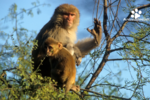
- PetVivo Reports Mobility Gains with Spryng in Macaques
Clinical Program Update
- Vivesto Presents Paccal Vet Clinical Data in Dogs and Cats at WSAVA 2026
Peer-Reviewed Comparison
- Study Finds Antech’s Accuplex More Sensitive for Ehrlichia
Product Expansion
- Wisdom Panel Adds 13 Behavioral Insights to Its Dog DNA Test
Brand & Market Entry
- Ari’s Purrfect Showcases Feline Wellness Products at CatCon 2026

Neion Bio Partners With Barnwell Bio to Strengthen Flock Health Monitoring
Strategic Collaboration
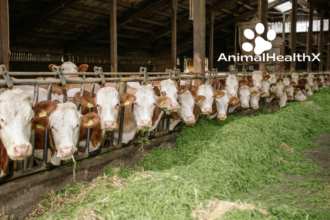
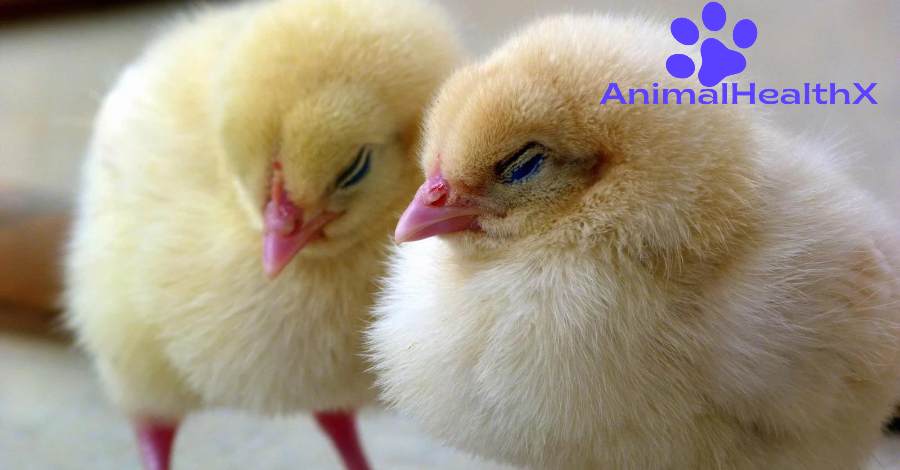
Neion Bio and Barnwell Bio have entered a strategic collaboration to integrate environmental biosurveillance into Neion’s avian operations, supporting flock health monitoring and biosecurity as Neion scales its egg-based biologics manufacturing platform (Raptor).
Key Highlights
- Technology pairing: Neion’s genetic engineering platform programs hens to produce recombinant proteins (mAbs, enzymes, fusion proteins) in eggs; Barnwell’s platform analyzes environmental samples to build facility-level microbiome fingerprints and track microbial shifts over time.
- Proactive monitoring: Rather than relying solely on individual-bird pathogen testing, the system flags changes in microbial patterns that may signal emerging pathogen activity, enabling earlier investigation and intervention.
- Operational integration: Neion will embed Barnwell’s technology to create a longitudinal view of flock and environmental health, reinforcing biosecurity as production scales.
- Broader applicability: Barnwell-founded by a team behind U.S. COVID-19 wastewater surveillance-aims to extend its platform to swine, dairy, and aquaculture; both NYC-based companies raised funding in 2026 (Neion: $23M Series A in June; Barnwell: $6M seed in January).
Impact
By linking environmental microbiome surveillance to biologics manufacturing, the partnership adds a data-driven biosecurity layer that could help Neion protect the flock health underpinning its production system and catch risks before they escalate. For Barnwell, it validates an application of population-level biosurveillance beyond conventional poultry farming; success will depend on how reliably environmental signals predict meaningful health changes and how well alerts translate into actionable veterinary and biosecurity interventions.

Managing Chronic Pain in Dogs and Cats
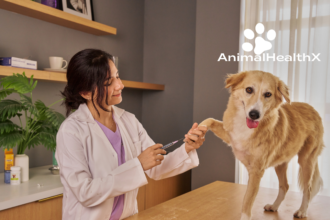
Pain in pets is often associated with injuries, surgery or arthritis, but dogs and cats can also experience chronic discomfort from conditions affecting their nerves, teeth, spine, muscles and internal organs. When pain persists beyond the expected healing period, it can gradually affect an animal’s movement, behaviour, appetite and overall quality of life. Because these changes may develop slowly, chronic pain can go unnoticed for months.
Unlike sudden pain, which often produces obvious signs such as limping or vocalization, chronic pain can be much harder to recognize. A dog may become reluctant to climb stairs, play or go for walks, while a cat may hide more frequently, groom less, avoid jumping or become less tolerant of being touched. Changes in sleep, posture, appetite or interaction with family members can also signal discomfort. These behaviours are sometimes mistaken for ageing or personality changes, making careful observation especially important.
Identifying the underlying cause is the first step towards effective management. Veterinarians may combine a physical and neurological examination with diagnostic imaging, laboratory tests and observations of the animal’s behaviour and mobility. Since pets cannot describe how they feel, information from owners is particularly valuable. Keeping a record of changes or taking videos of a pet walking, climbing or performing everyday activities can help veterinarians assess pain and monitor treatment response.
Treatment often involves more than one approach. Depending on the condition, a veterinarian may recommend appropriate pain-relieving medication alongside weight management, controlled exercise, physical rehabilitation or changes to the home environment. Softer bedding, non-slip flooring and easier access to food, water and litter boxes can help reduce everyday strain. The treatment plan should be tailored to the individual animal and reviewed regularly as its needs change.
Managing chronic pain is not simply about making pets more comfortable in the moment; it is about helping them remain active, engaged and able to enjoy daily life. Recognizing subtle changes early and seeking veterinary advice can make a meaningful difference. Pain should not be accepted as an inevitable part of ageing-with appropriate assessment and ongoing care, many pets can experience improved comfort and quality of life.


Research Findings
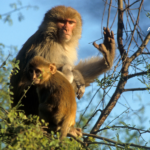
PetVivo reported preliminary findings from two research abstracts—developed with the Wisconsin National Primate Research Center-evaluating its collagen-elastin hydrogel, Spryng with OsteoCushion Technology, in rhesus macaques with naturally occurring osteoarthritis. The work will be presented at the 2026 APV Workshop, AALAS National Meeting, and ACVP Annual Meeting.
Key Highlights
- Mobility study (n=18): In geriatric macaques with radiographically confirmed multi-joint OA, intra-articular Spryng produced statistically significant increases in walking speed at 1, 2, and 3 weeks post-treatment vs baseline, with a mean improvement of 0.22 ± 0.11 m/s; accelerometry, range-of-motion, and blinded mobility score analyses are ongoing.
- Histopathology study (n=4): Hydrogel incorporated into the synovial membrane by day 11, remained identifiable through day 28, and appeared reduced by day 54 (assessed at 11, 28, 54, and 68 days post-injection); minimal inflammatory cellular infiltrates were observed.
- Product context: Spryng is PetVivo’s lead commercial veterinary medical device (extracellular matrix microparticles with collagen/elastin, intra-articular injection) already marketed for joint-related conditions in companion animals and horses; the macaque findings do not establish equivalent outcomes in other species.
Impact
The preliminary data provide complementary early evidence for Spryng-short-term functional improvement (walking speed) and favorable early tissue integration with minimal inflammation-in a nonhuman primate OA model. However, small sample sizes, incomplete long-term outcome analyses, and the translational gap between macaques and clinical veterinary patients mean further research is needed to confirm durability of benefit, long-term safety, and real-world efficacy in dogs, horses, and other species.

Clinical Program Update
Vivesto AB presented updated clinical findings for Paccal Vet, its investigational paclitaxel micellar formulation, at the WSAVA World Congress 2026, covering a canine splenic hemangiosarcoma study and a feline solid-tumor dose-escalation study. The presentations build on topline results announced in September 2026.
Key Highlights
- Canine study (oral presentation): “Interim Survival and Safety of Paclitaxel Micellar in Dogs with Stage I–II Splenic Hemangiosarcoma After Splenectomy”-updated data confirm the positive interim results from November 2025, supporting progression to a pivotal study once the pilot completes; recruitment finished June 2026, topline results Sept 2026; presented by CSO Teresa Fernandez-Zafra on Oct 13.
- Feline study (e-poster): “Dose-Escalation Study of Paclitaxel Micellar in Cats with Spontaneous Solid Tumors”- results support tolerability and suggest potential single-agent antitumor activity; MTD determined July 2026, topline Sept 2026, final results expected later in 2026.
- Development stage: Both studies are early-stage; findings support continued investigation but do not establish definitive efficacy or regulatory approval.
Impact
The WSAVA data strengthen the scientific case for advancing Paccal Vet in veterinary oncology-particularly toward a pivotal trial in post-splenectomy canine hemangiosarcoma, an aggressive disease with limited options-and provide an early signal of feline tolerability/activity. Confirmation through larger, controlled studies will be needed to establish survival benefit, characterize the safety profile, and determine the formulation’s eventual role and regulatory pathway in dogs and cats.

Peer-Reviewed Comparison
A study published in JAVMA compared Antech’s Accuplex with IDEXX’s SNAP 4Dx Plus for detecting antibodies to tick-borne pathogens in dogs, finding Accuplex significantly more sensitive for Ehrlichia spp. antibodies while both tests performed comparably for Anaplasma spp.
Key Results (vs IFA reference standard)
- Ehrlichia spp. sensitivity: Accuplex 94% vs SNAP 4Dx Plus 58% (P < .001).
- Anaplasma spp. sensitivity: Both >90%, comparable performance.
- Specificity: Both tests >95%, indicating low false-positive rates in the study population.
- Study context: Conducted by researchers from Antech, Colorado State University, and UT Medical Branch; Antech employee authorship and product affiliation are disclosed and relevant to interpretation.
Impact
The findings provide peer-reviewed evidence that Accuplex may detect a substantially higher proportion of Ehrlichia-positive samples under the study conditions, which could inform test selection for canine vector-borne disease screening—particularly in regions with changing pathogen distribution. Antibody results still require interpretation alongside clinical signs, exposure history, and confirmatory diagnostics, and performance may vary across clinical settings and pathogen strain.


Product Expansion
Wisdom Panel has expanded its dog DNA testing service with 13 new behavioral insights, bringing its total to 25 behavioral tendencies. The update is available through the Wisdom Panel Premium Dog DNA Collection Kit, alongside breed identification and genetic health risk screening.
Key Highlights
- New insight categories: Social/play behaviors (interest in toys, play with other dogs, boisterous play, quick loss of play interest); instinctual drives (retrieving, task focus, prey chasing); everyday behaviors (constant activity seeking, howling to music, licking people); environmental responses (vet/grooming hesitation, slipping through open doors).
- Data foundation: Research draws on 5+ million pets’ genetic and clinical data plus 100,000+ responses to a validated canine behavioral questionnaire, using statistical modeling that incorporates age and demographics.
- Reported genetic tendencies: 56.7% predicted to enjoy play with other dogs; 31.4% predicted to hesitate at vet visits; 20.1% predicted to sneak through open doors; 5.1% predicted to howl to music.
- Premium test scope: Screens 270+ genetic health risks and identifies 430+ breeds, combining breed, health, and behavioral data in one test.
Impact
The expansion extends pet genetics beyond breed and disease screening into everyday behavior, giving owners a framework to tailor enrichment, training, and stress management. Genetic predictions are probabilistic and influenced by environment, socialization, and experience—so they should complement, not replace, observed behavior and professional guidance in training and welfare decisions.

Brand & Market Entry
Ari’s Purrfect, a feline wellness brand backed by South Korean pharmaceutical company Yuyu Pharma, showcased its cat-focused product range at CatCon 2026 (Pasadena Convention Center), using the event to introduce its portfolio to U.S. consumers and gather direct feedback from cat owners.
Key Highlights
- Current US portfolio: Two products – Dental Bites (soft dental chew) and Omega+Multivitamins (lickable daily supplement) – developed under the brand’s Feline First® philosophy of cat-specific design.
- Formulation expertise: Products are formulated by a PhD-level companion pet nutritionist and a board-certified feline veterinarian, incorporating feline nutritional and behavioral considerations.
- Consumer engagement: CEO Robert Wonsang Yu met with cat owners at CatCon to understand wellness preferences and inform future product development and U.S. expansion.
Impact
The CatCon presence strengthens Ari’s Purrfect’s U.S. brand-building and consumer-insight pipeline, positioning the company within the growing species-specific pet wellness segment. Convenient formats like dental chews and lickable supplements can help owners embed daily wellness routines, though benefits depend on formulation, appropriate use, and complementing-not replacing-veterinary guidance and routine dental care.

Rethinking Chronic Pain Management in Pets
This week’s Monday Briefing explores Neion Bio and Barnwell Bio’s partnership to strengthen flock health monitoring through environmental biosurveillance. The featured article examines chronic pain management in dogs and cats, highlighting early signs, diagnosis, and treatment approaches. Other coverage includes PetVivo’s preliminary Spryng mobility findings in macaques, Vivesto’s Paccal Vet oncology data presented at WSAVA 2026, Antech Accuplex’s higher sensitivity for Ehrlichia antibodies, Wisdom Panel’s 13 new behavioral insights, and Ari’s Purrfect’s feline wellness products at CatCon 2026.
The Pulse of Global Animal Health
Enjoyed this edition? Share it with colleagues, partners, and fellow leaders shaping the future of animal health.
The industry is evolving at remarkable speed—from breakthrough biotech partnerships and regulatory milestones to AI-driven diagnostics and next-generation veterinary innovations. Staying informed isn’t just valuable—it’s essential to staying ahead.
Forward this newsletter, repost it, and help foster a more connected, informed, and forward-thinking global animal health community.