


Cover Story
- Paw Prosper Brings Elvation Shockwave to North America
Featured Article
- Protecting Your Dog Through Every Life Stage
Product Launch
- Boehringer Ingelheim Launches Scovella
Regulatory Authorization
- FDA Authorizes Bimectin Injection to Prevent NWS Infestations in Cattle
- FDA Authorizes Capstar and Generic Nitenpyram Tablets

Paw Prosper Brings Elvation Shockwave to North America

Strategic Partnership
Paw Prosper has expanded its partnership with Elvation Medical, becoming the exclusive home and commercial partner for Elvation VET Shockwave Therapy across the United States and Canada. The agreement adds Elvation’s PiezoWave2T VET focused shockwave system to Paw Prosper’s rehabilitation portfolio.
Key Highlights
- PiezoWave2T VET uses focused piezoelectric shockwave technology to support ligament and tendon healing in horses and small animals; engineered in Germany, assembled in the USA.
- System is designed to be quiet, adjustable, and transportable, with treatments that rarely require patient sedation.
- Complements Paw Prosper’s existing Respond Animal Therapeutics portfolio (laser and PEMF), broadening available rehabilitation modalities.
- Key Elvation VET team members, including product specialist Cindy Harrington, are joining Paw Prosper to support continuity for existing customers and new clinic partnerships.
Impact
The partnership strengthens Paw Prosper’s position in veterinary rehabilitation by adding focused shockwave therapy to its modality suite, supporting more comprehensive management of musculoskeletal conditions in companion animals and horses. It also expands access to Elvation’s technology across North America with integrated clinical support and education.

Protecting Your Dog Through Every Life Stage

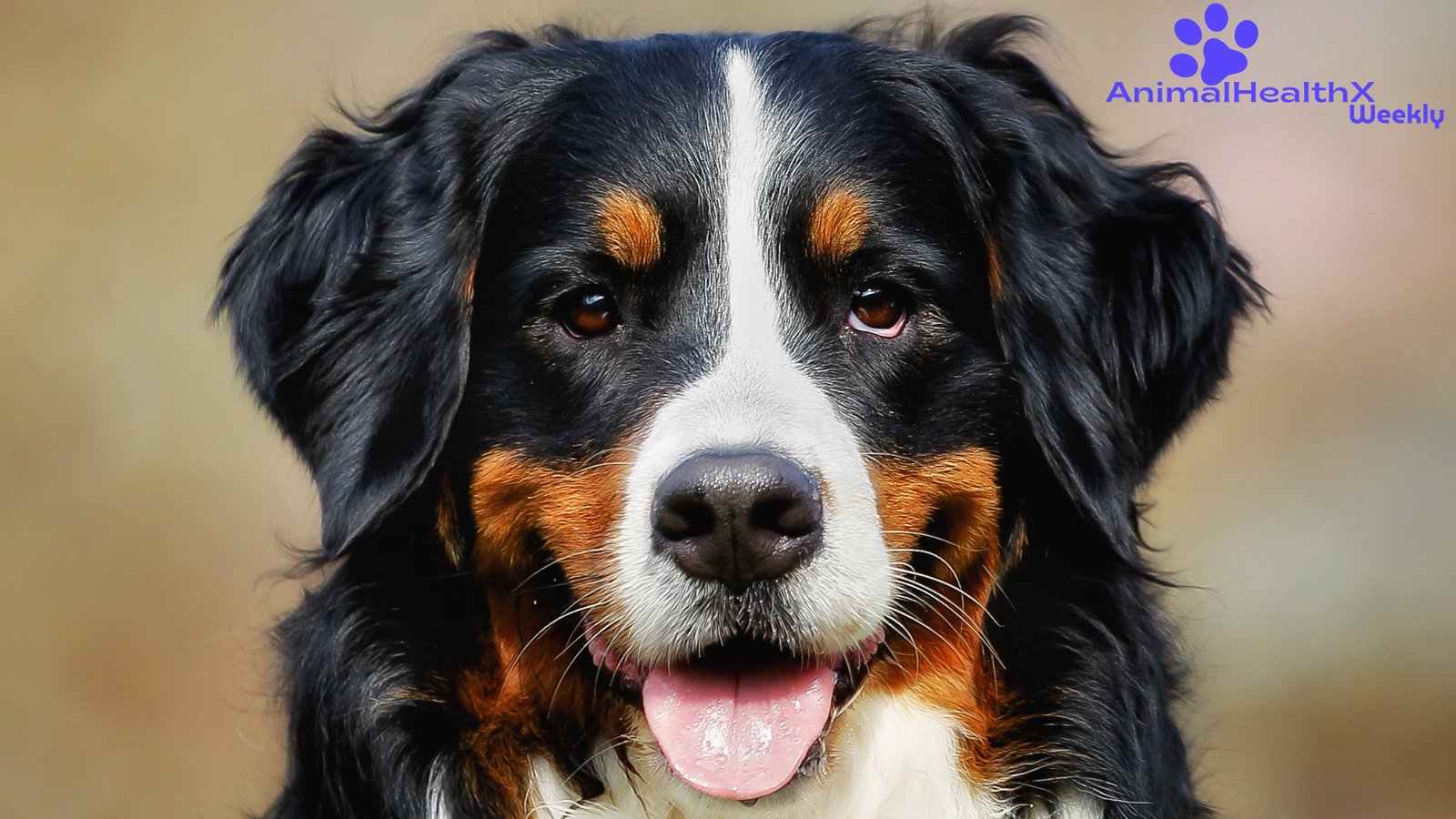
Vaccination is one of the most important ways to protect dogs from serious infectious diseases. From their first puppy visit to their regular adult check-ups, vaccines help prepare the immune system to recognize and fight infections before they can cause severe illness. But knowing which vaccines a dog needs- and when- can sometimes feel confusing.
For puppies, vaccination is especially important because the protection they receive from their mother gradually decreases. This is why they need a series of vaccinations rather than a single dose. The WSAVA guidelines recommend starting core vaccinations at around 6–8 weeks of age, followed by additional doses every 2–4 weeks until at least 16 weeks. This schedule helps provide protection as maternal antibodies decline.
The core vaccines recommended globally protect against canine distemper virus, canine adenovirus, and canine parvovirus—diseases that can cause serious illness and, in some cases, death. Other vaccines may be recommended depending on a dog’s lifestyle, geographical location, and exposure to specific infections.
For example, a dog that frequently visits boarding facilities, shelters, or areas where certain diseases are common may have different vaccination needs from a dog that spends most of its time at home. Rabies vaccination is particularly important in regions where the disease is endemic, while vaccines against infections such as leptospirosis may be recommended based on local risk.
Vaccination also continues into adulthood. However, not every vaccine needs to be given every year. After the initial puppy series and an appropriate booster, many core vaccines can be administered at intervals of three years or longer, depending on the vaccine and veterinary guidance.
The goal is not simply to vaccinate more often, but to provide the right protection at the right time. Regular veterinary check-ups help ensure that a dog’s vaccination plan remains appropriate as its age, lifestyle, and health needs change.
For pet owners, understanding vaccination is an important part of preventive care—and one of the simplest ways to help dogs stay healthy throughout their lives.


Product Launch
BI has launched Scovella (velagliflozin oral solution) in Great Britain, the first therapy specifically developed and licensed to treat insulin dysregulation in horses and ponies. The treatment targets hyperinsulinemia, a key underlying driver of laminitis, which affects an estimated one in five horses and accounts for >90% of laminitis cases.
Key Highlights
- Equine-specific SGLT-2 inhibitor indicated for horses/ponies with hyperinsulinemia not adequately controlled by husbandry, diet, and exercise.
- Oral liquid formulation lowers elevated insulin concentrations, with rapid, significant reductions observed within days of starting treatment.
- In a dietary challenge trial, 0% of Scovella-treated animals developed clinical laminitis vs 38% of untreated controls.
- Available to prescribing veterinary surgeons in Great Britain from September 2026; Boehringer Ingelheim plans future market expansions and is rolling out educational and practice-support resources.
Impact
Scovella provides veterinarians with a mechanism-based option to reduce laminitis risk by directly addressing hyperinsulinemia, particularly in cases refractory to conventional management. The launch marks a shift toward targeted therapies for equine metabolic disease and could improve welfare outcomes in high-risk horses and ponies.


Regulatory Authorization
The US FDA has issued an Emergency Use Authorization (EUA) for Bimectin (ivermectin) injection to prevent New World screwworm (NWS) myiasis in cattle. The authorization covers administration within 24 hours of birth, at castration, or when a wound first appears, and is intended to expand generic prevention options amid the ongoing NWS threat.
Key Highlights
- Generic version of Ivomec; Bimectin injection previously FDA-approved for treatment/control of various cattle parasites.
- EUA applies only to the injectable formulation; product is available over the counter (no prescription required).
- Not authorized for use in lactating dairy cows or calves intended for veal; 35-day slaughter withdrawal period must be observed.
- Sponsored by Bimeda Animal Health Ltd. (Ireland); EUA remains in effect until revoked or the public health emergency declaration ends.
Impact
The EUA broadens access to an ivermectin-based preventive option for NWS at high-risk management points (birth, castration, wound onset), potentially reducing infestation risk and production losses. It also diversifies supply by adding a generic alternative, though use is strictly limited to prevention under specified conditions with mandatory withdrawal compliance.


Regulatory Authorization
The US FDA has issued an Emergency Use Authorization (EUA) for Capstar (nitenpyram) tablets and revised the existing EUA for generic Nitenpyram Tablets to cover both prevention and treatment of New World screwworm (NWS) myiasis in dogs, puppies, cats, and kittens.
Key Highlights
- Applies to dogs/cats ≥2 lb and ≥4 weeks of age; products are available over the counter in 11.4 mg and 57 mg tablet strengths with weight-based dosing.
- Not for use in animals <2 lb or <4 weeks old; pet owners must follow FDA fact sheets and seek immediate veterinary care if infestation is suspected.
- Addresses a prior gap: earlier authorizations covered treatment but not prevention of NWS in dogs and cats.
- EUAs remain in effect until revoked or the HHS public health emergency declaration ends; sponsors are Sergeant’s Pet Care Products LLC (Capstar) and Felix Pharmaceuticals Pvt. Ltd. (generic nitenpyram).
Impact
The EUAs provide veterinarians and pet owners with an accessible, OTC option to both prevent and treat NWS in eligible companion animals, particularly important for pets living in, traveling to, or returning from affected regions. While current U.S. exposure risk is geographically limited, the authorization supports earlier intervention and reduces reliance on a narrow set of therapeutic options.

Vaccination Basics for Dog Owners
This edition of AnimalHealthX Weekly highlights canine vaccination and how timely, tailored immunization supports dogs through every life stage. The newsletter also covers Paw Prosper’s North American expansion of Elvation shockwave therapy, Boehringer Ingelheim’s launch of Scovella for equine insulin dysregulation, and the FDA’s emergency authorizations for Bimectin, Capstar, and generic nitenpyram to help prevent and treat New World screwworm in animals.
The Pulse of Global Animal Health
Enjoyed this edition? Share it with colleagues, partners, and fellow leaders shaping the future of animal health.
The industry is evolving at remarkable speed—from breakthrough biotech partnerships and regulatory milestones to AI-driven diagnostics and next-generation veterinary innovations. Staying informed isn’t just valuable—it’s essential to staying ahead.
Forward this newsletter, repost it, and help foster a more connected, informed, and forward-thinking global animal health community.