


Cover Story
- DASH Dog Food Raises $1.5M Seed Round
Featured Article
- The Pet Economy in 2026
Product Launch
- Dechra Expands Canine Lymphoma Treatment Options
- Wuffes Launches Dental Powder With IgY Technology
Strategic Partnership
- Alveo Technologies and Royal GD Expand Partnership
- Zomedica Partners With VMG to Expand Veterinary Practice Access
Technology Update
- Vetology Rebuilds 94 AI Radiology Classifiers

DASH Dog Food Raises $1.5M Seed Round
Funding
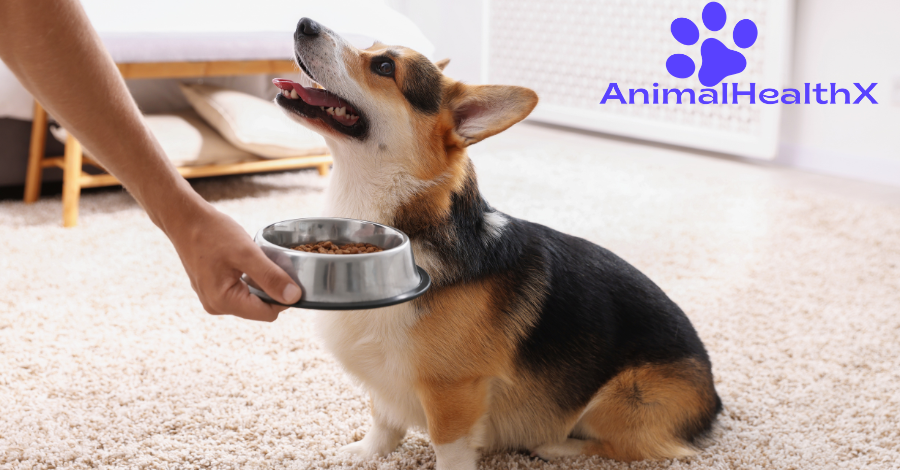
DASH Dog Food has raised $1.5M in an oversubscribed seed round led by Voltage Ventures to expand its fresh-frozen dog food business, scale its subscription model, and develop new recipes. Voltage Ventures’ Marissa Bertorelli and ButcherBox founder/CEO Mike Salguero have joined DASH’s board.
Key Highlights
- Focuses exclusively on fresh-frozen dog food after discontinuing its dry line post–June 2026 rebrand; recipes use 100% grass-fed beef and certified organic chicken with no added hormones or antibiotics, plus prebiotics and postbiotics.
- Prepared in small batches using sous vide at 165°F; positioned as “table-grade” with publicly defined sourcing/production standards rather than relying solely on “human-grade” claims.
- ~10% of funding allocated to R&D for new formulations, including seafood and turkey recipes, informed by customer feedback and existing supplier relationships.
- Since separating from ButcherBox in June 2025, DASH reports 130% revenue growth; capital will support paid acquisition, subscription growth, and a redesigned package.
Impact
The financing strengthens DASH’s position in the growing fresh, customized pet nutrition segment by expanding protein variety and scaling its DTC subscription model. For owners, it adds more fresh-frozen options, though diet selection should still align with individual nutritional needs and veterinary guidance.

How Pet Ownership Is Changing

Pets have become an increasingly important part of household life, and that emotional connection continues to shape the global pet economy. But in 2026, the way people spend on their animals is changing as rising costs encourage owners to think more carefully about where their money goes.
Recent analysis from Morgan Stanley suggests that the rapid growth seen in the pet industry in recent years is beginning to moderate. In the U.S., spending is still expected to increase, but affordability is influencing purchasing decisions across food, veterinary care, grooming and other pet services.
At the same time, pet healthcare is becoming a larger part of the spending picture. Veterinary visits, prescriptions, diagnostics and routine preventive care are increasingly important as owners place greater emphasis on maintaining their pets’ health. Morgan Stanley estimates that services already accounted for more than 40% of U.S. pet-industry spending in 2025, with healthcare among the more resilient areas of spending.
Convenience is also reshaping the pet-care experience. Online purchasing, digital pharmacies, subscriptions and other technology-enabled services are making it easier for owners to manage recurring needs. This shift is part of a broader evolution in the pet economy, where products and services are increasingly connected to ongoing health, wellness and everyday care.
For consumers, however, value remains important. Owners are becoming more deliberate about purchases, comparing prices and weighing convenience against cost while still prioritizing essential care. The result is a pet economy that is evolving beyond simply selling more products toward health, services, technology and long-term pet wellbeing.
As pet ownership continues to change across markets, the next phase of the industry may be defined less by how much people spend and more by what they choose to spend on-and how those choices support the health and quality of life of their pets.

Product Launch
Dechra has announced the availability of Laverdia (verdinexor tablets), an FDA-approved oral treatment for dogs diagnosed with lymphoma. The therapy provides an at-home option that can be initiated following diagnosis, giving veterinarians and pet owners additional flexibility in cancer-care planning.
Key Highlights
- Oral small-molecule verdinexor targets cancer-cell biology while generally sparing healthy cells; demonstrated efficacy in both B-cell and T-cell lymphoma.
- Available in multiple strengths to accommodate different weight ranges; administered at home rather than requiring every dose in-clinic.
- Can be considered at various disease stages: immediately post-diagnosis while evaluating options, while awaiting multi-agent chemotherapy, after relapse, or when conventional multi-agent chemotherapy is not preferred.
- Addresses a gap in care: Dechra cites estimates that only ~20% of dogs diagnosed with lymphoma receive chemotherapy, influenced by logistics, cost, treatment intensity, and owner preferences.
Impact
Laverdia broadens the canine lymphoma treatment landscape by adding an FDA-approved, owner-administered oral option that can support more individualized care plans. It is particularly relevant for cases where multi-agent chemotherapy is not feasible or desired, while still requiring veterinary oversight to align treatment selection with patient status and care goals.

Product Launch
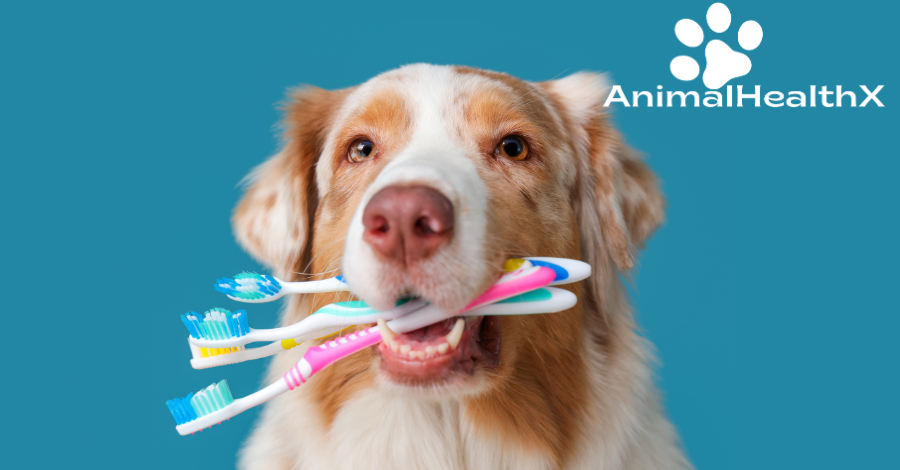
Wuffes has entered the canine oral-health category with a new Dental Powder range featuring its proprietary SuperYolk IgY Technology, an egg-yolk antibody-based approach designed to target bacteria associated with plaque and gum health.
Key Highlights
- Core ingredient is IgY Egg Powder (chicken egg-yolk antibodies) designed to target gingipain, an enzyme produced by bacteria linked to periodontal disease and oral tissue damage.
- Proposed mechanisms: bacterial binding/aggregation, biofilm interference (signaling and nutrient exchange), and targeted activity against harmful bacteria rather than broad microbiome disruption.
- Bone-broth flavored powder added to food (no toothbrushing required); offered in size-tailored formulations with dosing aligned to concentrations used in company-cited research.
- Company cites an 8-week randomized controlled canine study reporting 100%, 91%, and 83% improvements in occasional gum bleeding, gum-support markers, and occasional gum irritation, respectively; results relate to the ingredient/study conditions and may not generalize to all dogs.
Impact
The launch introduces an antibody-based, targeted approach into the crowded canine dental supplement market, appealing to owners seeking non-brushing preventive options. While the IgY mechanism is biologically plausible, real-world effectiveness will depend on consistent translation of controlled-study findings into everyday oral-health outcomes alongside established care (e.g., toothbrushing, professional dental exams).

Strategic Partnership
Alveo Technologies and Royal GD have expanded their diagnostic partnership following 18 months of commercial deployment of their jointly developed on-farm avian influenza test, with new R&D investment to develop molecular tests for poultry, cattle, and swine.
Key Highlights
- Royal GD will commit additional R&D resources to accelerate development of molecular tests for swine and cattle pathogens and expand the poultry diagnostic portfolio.
- Focus includes respiratory diseases and other pathogens across multiple livestock species, with the goal of bringing molecular testing closer to farms and veterinary teams.
- Existing avian influenza test enables molecular testing directly at the poultry house to support earlier detection and faster surveillance/outbreak decisions.
- Alveo is expanding its global distributor network to provide local support and access to the Alveo Sense platform; additional tests are expected by 2027.
Impact
The expansion could extend rapid, on-farm molecular diagnostics from avian influenza into cattle and swine health, supporting more decentralized disease detection and quicker management decisions (isolation, treatment, monitoring). Real-world value will depend on validated performance, target pathogens, and intended use cases within livestock production systems.

Strategic Partnership
Zomedica has entered a strategic partnership with VMG to provide its network of independent veterinary practices with preferred access to diagnostic, therapeutic, and remote-monitoring technologies. Effective Sep 1, 2026, through Aug 31, 2028, the agreement covers VMG’s network of more than 2,000 veterinary members across the US and expands access to several Zomedica platforms for companion-animal and equine care.
Key Highlights
- Preferred access for VMG members to Zomedica’s portfolio: PulseVet (shock wave therapy), Assisi (tPEMF for pain, inflammation, anxiety), VETIGEL (hemostatic gel), TRUFORMA (in-clinic endocrine testing: ACTH, cortisol, progesterone), and VETGuardian PLUS (contactless remote patient monitoring).
- Spans diagnostics, therapeutics, and monitoring, enabling practices to incorporate more in-clinic testing and treatment capabilities into existing workflows.
- TRUFORMA supports point-of-care endocrine results; VETGuardian PLUS enables real-time remote oversight; PulseVet and Assisi add non-invasive therapeutic options.
- Two-year framework (through August 31, 2028) to expand adoption of Zomedica’s solutions within the VMG independent-practice network.
Impact
The partnership broadens distribution of Zomedica’s veterinary technology portfolio across a large U.S. independent-practice network, potentially accelerating adoption of point-of-care diagnostics, non-invasive therapies, and remote monitoring. For VMG members, preferred access could simplify evaluation and integration of these tools into day-to-day companion-animal and equine care.

Technology Update
Vetology has rebuilt and re-released all 94 of its veterinary radiology AI classifiers using a new model architecture designed to interpret information across individual radiographs and linked images within the same study. The live classifier library was updated in stages between June and August 2026, alongside the company’s on-demand teleradiology consultation service.
Key Highlights
- New architecture assesses global information within a radiographic case, including relationships between multiple images in a study, to more closely reflect how veterinary radiologists evaluate cases.
- All 94 classifiers were rebuilt by Vetology’s data science team and released after meeting internal performance requirements; board-certified veterinary radiologists (Dr. John Mattoon and Dr. Jennifer Gambino, DACVR) provided guidance during development and validation.
- Company published condition-level performance data for all classifiers in January 2026 and invited independent evaluation, citing growing emphasis on transparency, error reporting, and post-implementation monitoring (referencing a 2025 ACVR/ECVDI position statement and a JAVMA pilot study).
- AI reports are positioned as diagnostic support-not a replacement for clinical judgment-with specialist interpretation available via Vetology’s teleradiology service when needed.
Impact
The rebuild signals a shift in veterinary imaging AI from single-image detection toward multi-image, whole-study interpretation with greater transparency and radiologist oversight. For practices, value will depend on real-world performance across diverse cases and how effectively AI outputs integrate with veterinarian and radiologist judgment to support diagnosis and treatment planning.

Pet Ownership Enters a New Spending Era
This week’s AnimalHealthX Monday Briefing explores how health, wellness, and technology are reshaping the pet economy in 2026, with a featured article examining changing consumer spending, growing veterinary care, and digital pet services. The newsletter also covers DASH Dog Food’s $1.5M seed round, Dechra’s launch of Laverdia for canine lymphoma, Wuffes’ IgY-based dental powder, Alveo and Royal GD’s expanded diagnostic partnership, Zomedica’s collaboration with VMG, and Vetology’s rebuild of 94 AI radiology classifiers.
The Pulse of Global Animal Health
Enjoyed this edition? Share it with colleagues, partners, and fellow leaders shaping the future of animal health.
The industry is evolving at remarkable speed—from breakthrough biotech partnerships and regulatory milestones to AI-driven diagnostics and next-generation veterinary innovations. Staying informed isn’t just valuable—it’s essential to staying ahead.
Forward this newsletter, repost it, and help foster a more connected, informed, and forward-thinking global animal health community.