



Cover Story
- Zenex Animal Health Acquires SAVAVET Companion Animal Business
Featured Article
- Bringing Personalized Cancer Treatment to Animals
Clinical Trial Update
- Genflow Biosciences Reports Canine Longevity Trial Milestone
Conference Research Highlights
- Merck Animal Health Presents 50+ Studies at World Buiatrics Congress
Regulatory Milestone
- BiomEdit Gains USDA Conditional License for CPerf LLV
Company & Data Launch
- Odacova Debuts with Canine Longevity Data
Product Enhancement
- Merck Animal Health Expands SenseHub Dairy Monitoring
Product Launch
- Cronus Pharma Launches Florfinasone Otic for Canine Otitis Externa
Strategic Partnership
- Novel Partners With Airvet to Expand Virtual Veterinary Care

Zenex Animal Health Acquires SAVAVET Companion Animal Business

Strategic Acquisition
Zenex Animal Health India has acquired the companion-animal healthcare business operating under the SAVAVET brand from SAVA Healthcare, expanding its presence in India’s growing pet-health market. Backed by Multiples Alternate Asset Management, this is Zenex’s third strategic acquisition after Ayurvet and VievePharm, building a diversified portfolio across livestock, poultry, and companion-animal health.
Key Highlights
- SAVAVET contributes ~70 companion-animal brands spanning parasiticides, antibiotics, cardiac care, pain management, dermatology, and wellness.
- Brings an established distribution network and veterinarian relationships across India, which Zenex plans to integrate with its own product development and distribution infrastructure.
- Complements Zenex’s existing livestock, poultry, and herbal animal-health businesses, shifting the overall platform toward a more balanced multi-segment animal-health company.
- SAVA Healthcare will retain its farm-animal business and continue contract manufacturing certain veterinary products for Zenex and others, while focusing on human-health formulations, pharma R&D, contract manufacturing, and international business.
Impact
The deal accelerates Zenex’s expansion in India’s companion-animal segment, adding established brands and commercial reach in high-growth categories (parasite control, chronic disease, dermatology, pain, preventive care). It also underscores consolidation trends in India’s veterinary market, where combining portfolios, distribution, and R&D capabilities can strengthen competitive positioning amid rising pet ownership and preventive-care adoption.

Bringing Personalized Cancer Treatment to Animals
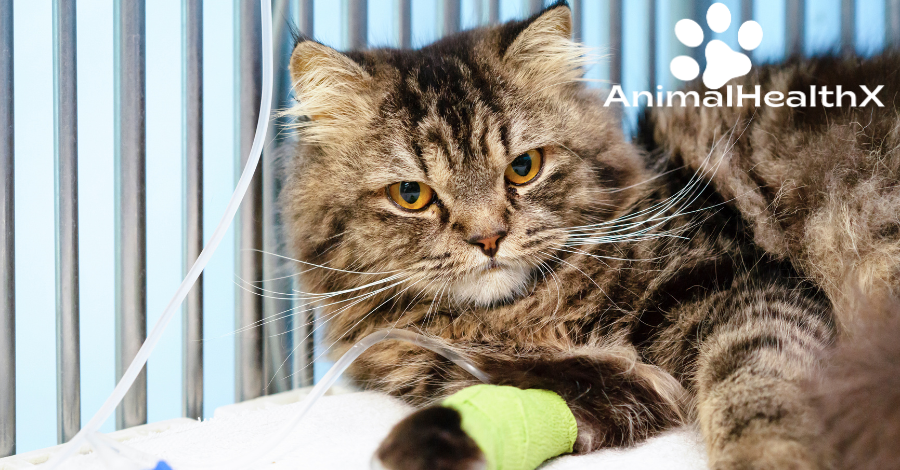
Cancer treatment in animals is moving toward a more individualized approach. Instead of relying solely on treatments designed around the type and location of a tumor, veterinary researchers are increasingly looking at the unique molecular and immune characteristics of each animal’s cancer to identify more targeted treatment strategies. This is where precision immunotherapy is beginning to attract attention.
Precision oncology can combine biopsy and histopathology with immunohistochemistry, genetic and molecular profiling, and other advanced diagnostics to better characterize a tumor. These insights can help veterinarians determine whether a cancer may be susceptible to a targeted therapy or an immunotherapy designed to engage the animal’s own immune system.
One particularly interesting approach is the autologous cancer vaccine. Rather than using a standardized vaccine, these therapies are developed from the patient’s own tumor tissue. The goal is to expose the immune system to tumor-specific antigens so it can better recognize and attack cancer cells. A 2025 review found that autologous cancer vaccines have been investigated across dogs, cats, and horses, including as part of combination treatments for canine lymphoma and high-grade glioma.
The broader field is also exploring immune checkpoint inhibitors, targeted therapies and emerging cell-based approaches. In dogs, for example, veterinary oncology has begun using therapies designed around specific immune pathways, while research continues into approaches such as adoptive cell therapy and CAR-T cells.
But precision immunotherapy is not yet a one-size-fits-all solution—or a guaranteed alternative to conventional cancer treatment. Tumors can be genetically diverse and develop resistance, while veterinary medicine still has comparatively limited species-specific molecular data and clinical evidence for many emerging therapies.
The promise lies in combining better diagnostics with increasingly targeted treatments. As researchers learn more about animal tumors and their interactions with the immune system, cancer care could become increasingly tailored to the individual animal, its tumor, and its treatment response—bringing veterinary oncology closer to the personalized approaches already developing in human medicine.


Clinical Trial Update
Genflow has reported that its SLAB trial of an experimental SIRT6-based gene therapy in aged dogs met its primary endpoint, with detailed findings scheduled for presentation at the Animal Longevity Summit in Toronto on October 1–2, 2026. The study evaluated GF-1004, a gene-therapy approach delivering a SIRT6 construct linked to exceptional longevity in humans.
Key Highlights
- Randomized, blinded SLAB study enrolled 24 Beagles >10 years old across two naked-DNA treatment groups, a single-dose AAV8 group, and a saline control.
- Primary endpoint: reduction in biological age by the GRIM methylation clock; Genflow reports a clear improvement signal in treated animals vs controls, with treatment well tolerated and no adverse events through three-month follow-up.
- Company reports improvements across multiple functional and observable secondary measures; full dataset, mechanistic analyses, and a scientific manuscript are pending.
- SIRT6 platform also advancing in human health (glaucoma via lipid nanoparticles; liver disease/MASH with fibrosis), with a partnership with Acuitas Therapeutics for LNP delivery of SIRT6 mRNA.
Impact
The SLAB primary endpoint result provides early clinical evidence that SIRT6-based gene therapy can modulate biological aging metrics in naturally aged dogs, supporting Genflow’s dual veterinary–human longevity strategy. The upcoming full data release will be critical to assess the magnitude and consistency of biological-age effects, functional outcomes, and safety—key factors for potential partnerships and further development in the emerging veterinary longevity field.

Conference Research Highlights
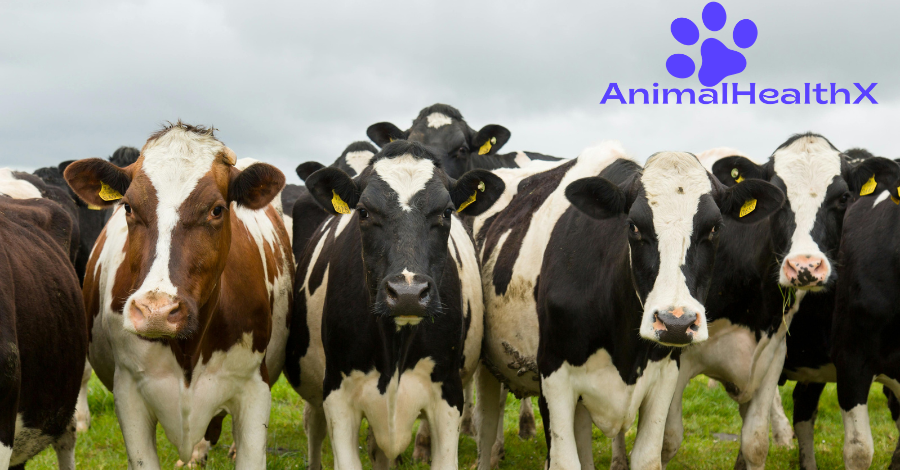
Merck Animal Health presented >50 studies at the 33rd World Buiatrics Congress in Istanbul, spanning neonatal calf health, infectious disease prevention, respiratory health, antimicrobial use, and digital herd monitoring. The company delivered seven oral presentations, 51 poster presentations, and a sponsored symposium focused on calf health.
Key Highlights
- Neonatal calf health & cryptosporidiosis: Multiple studies examined maternal vaccination against Cryptosporidium parvum, GP40-mediated passive immunity via colostrum/transition milk, longitudinal antibody responses in calves, and field evaluations of dam vaccination combined with extended transition-milk feeding; outcomes included calf health, growth, and paromomycin use.
- Respiratory disease & bovine coronavirus (BCoV): Research assessed intranasal vaccination strategies (BRSV, PI3, BCoV) and associations with antibiotic use in Dutch veal calves; on-arrival intranasal BCoV vaccination in beef-on-dairy veal calves and pre-weaned calves evaluated pneumonia (ultrasound), lung health, and average daily gain; additional work characterized BCoV detection across sample types, pathogen interactions, and seasonal patterns.
- Digital herd monitoring: Studies using SenseHub Dairy technology explored behavioral/activity data for earlier health-issue detection, day-to-day youngstock sensor use, integration with veterinary preventive programs, and links between early rumination, ruminant transition, and subsequent growth; one multi-farm Danish study evaluated a combined monitoring, consultation, and preventive-care approach on calf health and ADG.
Impact
The portfolio underscores an integrated calf-health strategy combining maternal immunization, respiratory vaccination, antimicrobial stewardship, and continuous behavioral monitoring. For veterinarians and producers, the findings support shifting from reactive treatment to preventive, data-informed management—while highlighting that real-world value depends on farm-level implementation, compliance, and herd-specific conditions.


Regulatory Milestone
BiomEdit has received conditional licensure from the USDA CVB for CPerf LLV, an engineered bacterial biologic designed to reduce necrotic enteritis (NE)-associated mortality in broiler chickens. Previously known as BE-101 and expected to be branded Optavant after full licensure, the product was granted conditional approval based on evidence of a reasonable expectation of efficacy against NE associated with Clostridium perfringens.
Key Highlights
- CPerf LLV uses a live Limosilactobacillus vector engineered to deliver antibody fragments (nanobodies) targeting two C. perfringens toxins: alpha toxin and NetB.
- Pivotal challenge study: NE-associated mortality decreased from 13.1% (controls) to 6.6% with CPerf LLV, a reported 48.7% reduction; conditional label notes reasonable expectation of efficacy for passive immunity in healthy chicks, with duration and full efficacy/potency yet to be determined.
- Separate peer-reviewed study (npj Biofilms and Microbiomes) reported improvements in weight gain and feed conversion with probiotic-delivered nanobodies vs prophylactic antibiotics and parent strains; these findings were not part of USDA CVB’s conditional licensure review.
- Commercial evaluation underway with three major US poultry producers across >35 million broilers; conditional license held by manufacturing partner Diamond Animal Health.
- BiomEdit acquired Folium Science assets (BiomElix One, Guided Biotics CRISPR-Cas) and initiated a Series C to support launch, full licensure, and pipeline development.
Impact
CPerf LLV introduces a programmable, non-antibiotic biologic that directly targets key NE toxins, offering a potential new tool for broiler producers balancing disease control with antibiotic stewardship. The conditional license enables market entry while additional data are generated; real-world performance across large-scale commercial evaluations will be critical for broader adoption and progression to full licensure.


Company & Data Launch
Odacova Health, a companion-animal bionutrition company focused on longevity, will present initial top-line findings from a nine-year longitudinal canine efficacy and safety study at the inaugural Animal Longevity Summit (ALOS) 2026 in Toronto (October 1–2). The presentation marks Odacova’s emergence from stealth and the first public disclosure of results from the study.
Key Highlights
- Nine-year longitudinal study in dogs incorporating molecular, transcriptomic, metabolic, functional, and immune endpoints to evaluate both efficacy and safety of a proprietary bioactive aimed at supporting metabolic healthspan.
- Only high-level top-line findings will be presented publicly; the complete dataset (including mechanistic, transcriptomic, and metabolic analyses) will remain available to qualified partners under confidentiality.
- Company is pursuing a GRAS-eligible nutritional pathway rather than a conventional pharmaceutical route, aiming for faster commercialization while generating longer-term efficacy/safety data; regulatory requirements differ from drug approval.
- Positions canine research within the broader animal-longevity field, leveraging dogs’ shorter lifespans and natural aging to assess healthspan interventions.
Impact
If the top-line data show consistent, clinically relevant effects across multiple biological domains, the nine-year dataset could add meaningful evidence to the emerging canine longevity/nutritional-intervention space. However, independent evaluation and detailed publication of methods and results will be critical to contextualize findings, assess magnitude and reproducibility, and determine how Odacova’s bionutrition approach compares with other longevity strategies.

Product Enhancement
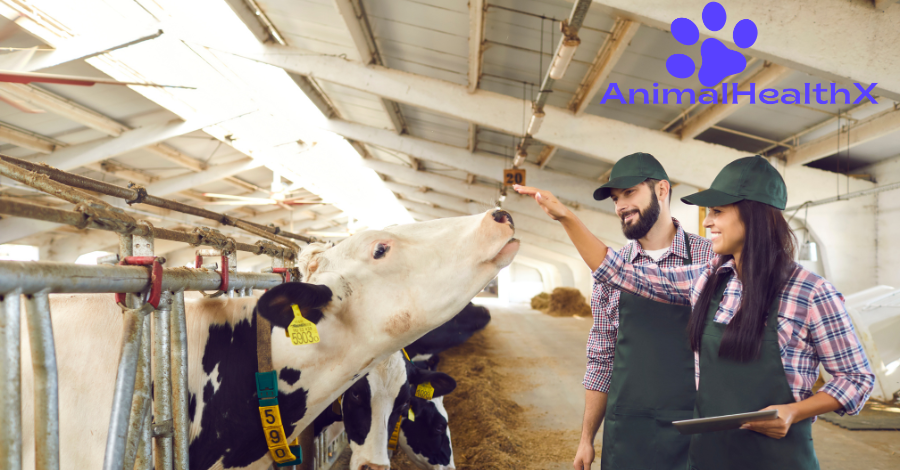
Merck Animal Health has expanded its SenseHub Dairy monitoring platform with two key updates: extending SenseHub Dairy Youngstock to cover bucket-fed preweaned calves and launching SenseHub Insights, a web-based dashboard for herd-level performance and management trends. The enhancements are being introduced for US dairy operations.
Key Highlights
- SenseHub Dairy Youngstock now monitors bucket-fed calves from day one (in hutches or group housing) using the same software, ear tags, and LED-light functionality as bottle-fed calves—no software update or additional activation required.
- In a Merck-cited study, monitored calves had a 63% reduction in mortality (~2 fewer deaths per 100 calves), an estimated $6,000 replacement-cost savings per 100 calves (based on March 2026 prices), and 56 minutes/day labor savings when visually observing 140 calves was eliminated.
- SenseHub Insights aggregates existing SenseHub Dairy data to track KPIs such as fresh-cow health and rumination, fresh-cow disease risk, herd heat stress, milking-routine consistency, and lock-up-time consistency; available at no additional cost and shareable with veterinary/nutrition consultants.
- Merck notes calves diagnosed with bovine respiratory disease produce ~267 fewer pounds of milk in first lactation, underscoring the downstream value of earlier detection.
Impact
By removing the bottle-feeding requirement, the update broadens automated youngstock monitoring to more dairy operations, potentially improving early intervention and reducing mortality and labor. SenseHub Insights adds a consolidated, herd-level view that can help producers and advisors spot management trends without manual data mining, reinforcing the shift toward continuous behavioral and operational analytics in dairy health management.


Product Launch
Cronus Pharma has launched Florfinasone Otic, an FDA-approved fixed-combination otic treatment for canine otitis externa associated with susceptible strains of Malassezia pachydermatis and Staphylococcus pseudintermedius. The single-use formulation combines an antibiotic, antifungal, and corticosteroid to address infection and inflammation in one administration.
Key Highlights
- Three-component formulation: Florfenicol (16.6 mg/mL; bacteriostatic antibiotic), terbinafine (14.8 mg/mL; antifungal inhibiting ergosterol synthesis), and mometasone furoate (2.2 mg/mL; glucocorticosteroid with anti-inflammatory activity).
- Supplied in 1 mL single-use dropperettes (10 doses/carton); available through national and regional U.S. distributors.
- FDA-approved under ANADA #200-848.
- Tympanic membrane integrity should be confirmed before use; not approved for cats; treatment selection should align with clinical findings and susceptibility considerations per FDA labeling.
Impact
Florfinasone Otic offers veterinarians a single-dose, triple-action option for canine otitis externa when bacterial/yeast involvement and inflammation are present and organisms are susceptible, potentially simplifying therapy while maintaining antimicrobial stewardship through appropriate patient selection and labeling review.


Strategic Partnership
Novel, an Ontario-based companion-animal veterinary company, has partnered with Airvet to expand access to virtual veterinary care and prescription fulfillment for pet families across Ontario. The agreement makes Novel Airvet’s first Canadian veterinary partner.
Key Highlights
- Airvet members in Ontario can connect with a veterinarian online for advice and triage; when a prescription is appropriate, Novel fulfills and delivers approved medications directly to the pet’s home on a next-day basis, seven days a week, with no additional delivery fee.
- Integrates Airvet’s virtual veterinary services with Novel’s prescription fulfillment and delivery capabilities, creating an end-to-end pathway from telehealth consultation to medication at home.
- Novel has deployed an automated inventory management system combining commercial hardware with custom AI-enabled software to support prescription fulfillment, autoship, and adherence for its clients.
- Founded in 2024, Novel operates a subscription-based model with RVTs and technology-enabled care; the partnership extends services beyond its Burlington, Ontario clinic into a hybrid virtual + fulfillment model.
Impact
The partnership reduces logistical barriers to obtaining prescribed medications after virtual consultations, potentially improving access and adherence for Ontario pet owners—especially for chronic therapies requiring regular refills. It also exemplifies a broader shift toward hybrid veterinary care that couples telehealth with medication logistics while keeping diagnosis, prescribing, and treatment decisions under veterinary oversight.

Precision Oncology Advances Animal Cancer Care
This week’s AnimalHealthX Monday Briefing explores precision immunotherapy and the evolving role of personalized cancer care in veterinary medicine, highlighting advances in targeted diagnostics and emerging treatment approaches. The newsletter also covers Zenex Animal Health’s acquisition of SAVAVET’s companion-animal business, Genflow’s canine longevity trial milestone, Merck Animal Health’s 50+ studies at the World Buiatrics Congress, BiomEdit’s USDA conditional license for CPerf LLV, Odacova’s nine-year canine longevity study, and new SenseHub Dairy monitoring capabilities.
The Pulse of Global Animal Health
Enjoyed this edition? Share it with colleagues, partners, and fellow leaders shaping the future of animal health.
The industry is evolving at remarkable speed—from breakthrough biotech partnerships and regulatory milestones to AI-driven diagnostics and next-generation veterinary innovations. Staying informed isn’t just valuable—it’s essential to staying ahead.
Forward this newsletter, repost it, and help foster a more connected, informed, and forward-thinking global animal health community.