


Featured Article
Why Is My Pet Gaining Weight?
Cover Story
PetIQ Acquires MYOS to Expand Muscle Health
Product expansion
Parnell Adds 50 mL PropofolVet Multidose
Corporate update
PetVivo Ends VetStem Partnership
Private equity
Artá Capital Invests in Magapor
Strategic Acquisition
LIMPID Corp. Acquires PetPeotalk
Product Launch
Medgene Launches First US Prescription Vaccine Against Theileria orientalis Ikeda in Cattle


PetIQ Acquires MYOS to Expand Muscle Health
Acquisition
PetIQ has completed the acquisition of MYOS Corp, adding its clinically studied Fortetropin muscle-health technology and product portfolio to strengthen PetIQ’s pet wellness offerings.
Key highlights
- Fortetropin is a patented bioactive ingredient that modulates myostatin to support muscle growth and preservation.
- The portfolio includes both over-the-counter supplements and veterinary-exclusive formulations for dogs, cats, and horses.
- MYOS and Fortetropin will continue to be marketed under their existing brand names.
- PetIQ says it will leverage its retail, e-commerce, and brand capabilities to broaden distribution of MYOS products.
Evidence base
- MYOS reports more than a dozen studies in humans and animals, including work showing improved mobility in geriatric dogs, reduced post-surgical muscle loss after TPLO, and increased lean mass in cats.
Impact:
The deal moves PetIQ deeper into science-backed preventive care focused on muscle health, mobility, and recovery – areas of growing interest for aging pets and post-operative management.

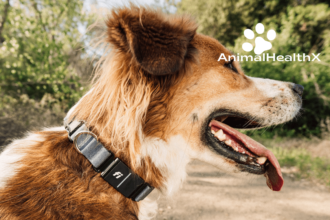
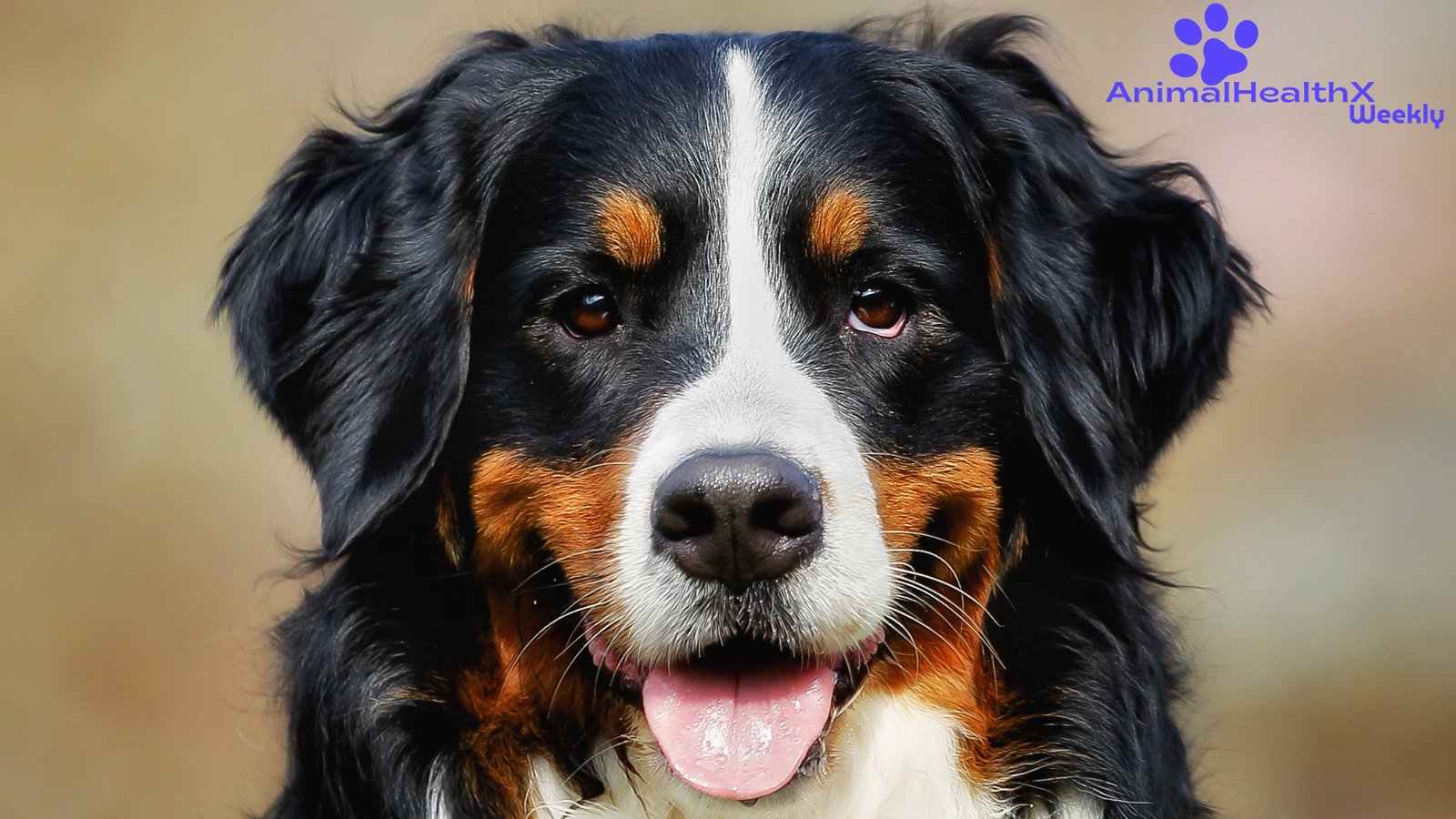
Why Is My Pet Gaining Weight?

A few extra treats or a less active lifestyle may seem harmless, but they can gradually lead to pet obesity—the most common nutritional disorder affecting companion animals. Defined as the excessive accumulation of body fat, obesity occurs when a pet consistently consumes more energy than it expends. While overeating is a major contributor, genetics, age, neutering, reduced physical activity, calorie-dense diets, and certain medical conditions can all increase a pet’s risk of becoming overweight.
Obesity is far more than a cosmetic concern. Research has shown that excess body fat can negatively impact both the health and lifespan of dogs and cats. Overweight pets are more likely to develop osteoarthritis, diabetes mellitus, heart and respiratory disease, urinary disorders, skin conditions, reproductive issues, and may even face an increased risk of certain cancers and complications during anesthesia. Excess weight also places additional strain on joints and vital organs, often reducing mobility, exercise tolerance, and overall quality of life.
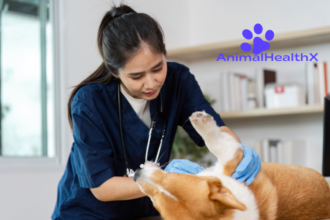
One of the biggest challenges is that weight gain often occurs gradually, making it difficult for owners to recognize. Pets that appear “well-fed” or “a little chunky” may already be overweight. Signs such as a disappearing waistline, difficulty feeling the ribs beneath a thin layer of fat, decreased stamina, or reluctance to exercise can all indicate unhealthy weight gain. Regular weight monitoring and Body Condition Scoring (BCS) by a veterinarian can help detect changes early and guide appropriate interventions.
Fortunately, obesity is largely preventable and manageable. The cornerstone of weight management is balanced nutrition and portion control, supported by regular physical activity. Measuring meals instead of estimating portions, limiting high-calorie treats and table scraps, encouraging daily walks, play sessions, or food-enrichment activities, and scheduling routine veterinary check-ups can all make a significant difference. In some cases, veterinarians may recommend therapeutic weight-management diets that provide adequate nutrition while reducing calorie intake.
As companion animals increasingly share our indoor lifestyles, maintaining a healthy weight has become a vital part of preventive veterinary care. By recognizing obesity as a medical condition rather than simply an appearance issue, pet owners can take proactive steps to reduce the risk of chronic disease, improve their pet’s quality of life, and help them live longer, healthier, and more active lives.


Product expansion
Parnell has launched a new 50 mL presentation of PropofolVet Multidose (propofol injectable emulsion) for dogs, complementing the existing 20 mL vial and giving clinics more flexibility to match patient volume.
Key highlights
- Indications in dogs: induction of anesthesia, maintenance of general anesthesia via intermittent bolus for short procedures, and induction before inhalant maintenance.
- The 50 mL vial is aimed at higher-volume practices to improve inventory efficiency while using the same formulation.
- Both 20 mL and 50 mL versions offer a 28-day in-use shelf life and do not require refrigeration.
- The product is the first generic propofol injectable emulsion for dogs and is prescription-only.
Impact:
The larger presentation helps busy clinics reduce potential waste and streamline anesthesia workflows, while Parnell continues to build out its companion animal anesthesia and sedation portfolio.


Corporate update
PetVivo has terminated its exclusive license and supply agreement with VetStem for PrecisePRP, settling all obligations so it can focus on its proprietary SPRYNG osteoarthritis portfolio.
Key highlights
- The Termination and Settlement Agreement became effective July 24, 2026 and ends the commercial relationship for PrecisePRP.
- All outstanding royalties, milestones, invoices, and related financial obligations are resolved, with PetVivo to pay $75,000 in two installments and return remaining PrecisePRP inventory to VetStem.
- VetStem’s existing warrant to purchase 250,000 PetVivo shares remains in effect under its original terms.
- PetVivo says it will now concentrate resources on SPRYNG with OsteoCushion Technology, its intra-articular collagen–elastin hydrogel device for managing lameness and osteoarthritis in dogs, cats, and horses.
Impact:
The settlement removes legacy licensing liabilities and simplifies PetVivo’s balance sheet, allowing the company to prioritize commercialization of its own regenerative orthopedic technology as demand for minimally invasive joint therapies grows.


Private equity
Spanish private equity firm Artá Capital has become the reference shareholder of Magapor, a global leader in porcine artificial insemination technology, to back its next phase of international growth.
Key highlights
- Artá Capital reached an agreement with the founding Mena Gericó family to acquire a majority stake in Magapor, S.L.
- The transaction is the fifth investment from Artá Capital Fund III, which closed in November 2024 with €400 million.
- Founders Jesús Mena Gericó and Juan José Mena Gericó will remain in management and retain a significant equity stake.
- Artá intends to support international expansion, R&D, and consolidation of Magapor’s global leadership in swine reproduction.
Impact:
The investment gives Magapor additional capital and private equity backing to scale globally and deepen R&D in a specialized, high-value niche of livestock reproductive technology.


Strategic Acquisition
LIMPID, the AI pet healthcare company behind the Kinfora platform, has completed the acquisition of 100% of PetPeotalk, a vision-AI specialist in pet behavior analysis. PetPeotalk is now a wholly owned subsidiary, and its founder Ryan Kwon has joined LIMPID as Chief Technology Officer.
Key Highlights
- PetPeotalk operates Dogibogi, an AI pet-camera service that detects abnormal behaviors in real time (e.g., separation anxiety, excessive barking, sudden activity changes) and alerts owners.
- Models are trained on 350+ million pet-behavior video records from 120,000 registered users; service has 2,400+ paid subscribers, 58% DAU/MAU stickiness, and 200% YoY revenue growth in 2025.
- Backed by investors including Naver D2SF, PetPeotalk’s computer-vision tech now integrates with LIMPID’s veterinarian-founded clinical and nutrition R&D capabilities.
- Combined technology powers Kinfora (launched in Korea, July 2026), linking AI behavior monitoring with precision nutrition in a single subscription; long-term vision is a “digital twin” health model for each pet.
Impact
Positions LIMPID to shift from passive monitoring to clinically actionable, preventive care, detecting meaningful behavioral changes earlier and responding with targeted nutrition. The deal strengthens Kinfora’s differentiated value proposition in the fast-growing AI pet-health market and accelerates development of digital biomarkers for chronic disease in dogs and cats.


Product Launch
Medgene has launched the first and only US prescription platform vaccine targeting Theileria orientalis Ikeda, offering cattle producers and veterinarians a new preventive tool against this emerging tick-borne disease.
Key Highlights
- Targets both sporozoite and merozoite stages of the parasite lifecycle to interrupt infection; administered as a two-dose regimen (initial dose + booster).
- Addresses a pathogen primarily transmitted by infected ticks, including the invasive Asian longhorned tick, which is expanding its geographic range in the US
- Expands Medgene’s portfolio of vaccines against parasites and vector-borne diseases in livestock; the company is continuing R&D on additional tick and tick-borne pathogen vaccines.
Impact:
Provides the first preventive option for T. orientalis Ikeda in the U.S., enabling veterinarians to reduce infection risk, limit production losses, and strengthen proactive herd health strategies amid expanding tick-borne threats. The launch is strategically significant for the cattle industry given the absence of approved therapeutics and the chronic, carrier-state nature of infection.

Keeping Pets at a Healthy Weight
This edition of AnimalHealthX Weekly explores the growing challenge of pet obesity, its health risks, and practical strategies to help pets maintain a healthy weight. The newsletter also covers PetIQ’s acquisition of MYOS to strengthen muscle health solutions, Parnell’s expanded anesthesia portfolio, PetVivo’s strategic shift toward SPRYNG, Artá Capital’s investment in Magapor, LIMPID’s AI-driven acquisition of PetPeotalk, and Medgene’s launch of the first US prescription vaccine against Theileria orientalis Ikeda in cattle.
The Pulse of Global Animal Health
Enjoyed this edition? Share it with colleagues, partners, and fellow leaders shaping the future of animal health.
The industry is evolving at remarkable speed – from breakthrough biotech partnerships and regulatory milestones to AI-driven diagnostics and next-generation veterinary innovations. Staying informed isn’t just valuable – it’s essential to staying ahead.
Forward this newsletter, repost it, and help foster a more connected, informed, and forward-thinking global animal health community.